
Bart Starr Biography Quotes 4 Report mistakes
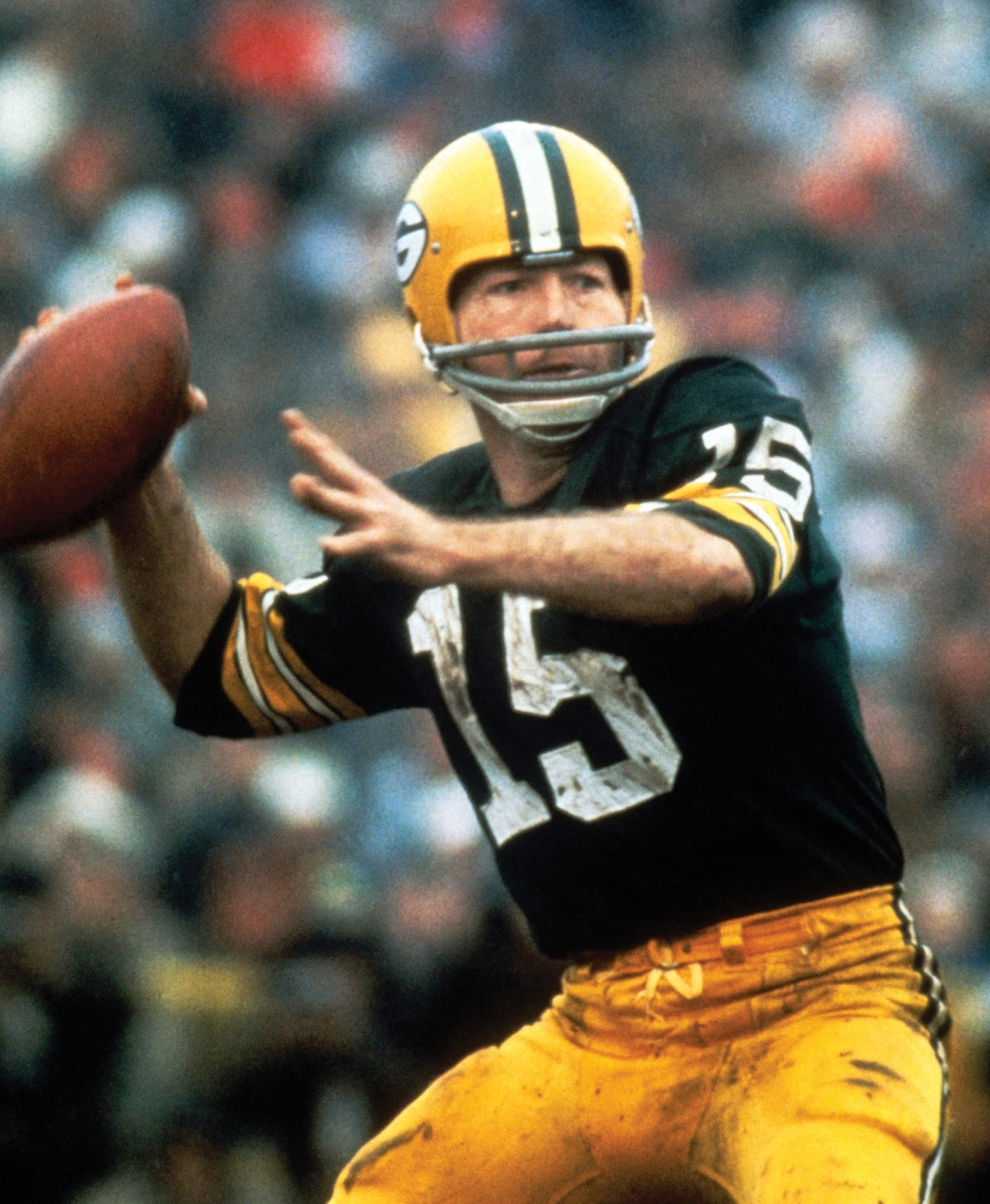
| 4 Quotes | |
| Born as | Bryan Bartlett Starr |
| Occup. | Athlete |
| From | USA |
| Born | January 9, 1934 Montgomery, Alabama |
| Age | 92 years |
| Cite | |
Citation Formats
APA Style (7th ed.)
Bart starr biography, facts and quotes. (2026, March 2). FixQuotes. https://fixquotes.com/authors/bart-starr/
Chicago Style
"Bart Starr biography, facts and quotes." FixQuotes. March 2, 2026. https://fixquotes.com/authors/bart-starr/.
MLA Style (9th ed.)
"Bart Starr biography, facts and quotes." FixQuotes, 2 Mar. 2026, https://fixquotes.com/authors/bart-starr/. Accessed 1 Apr. 2026.
Early Life and Background
Bryan Bartlett "Bart" Starr was born on January 9, 1934, in Birmingham, Alabama, in the long shadow of the Depression and the hard codes of the Jim Crow South. His childhood was marked less by glamour than by constraint: a quiet, observant boy growing up in a steel-and-rail city where work was physical, money was uncertain, and toughness was prized. That atmosphere bred in him a habit of understatement and a respect for ordinary discipline that later made his poise seem almost inevitable, even when it was hard-won.His family life carried its own gravity. Starr adored his younger brother, Hilton, whose death in the early 1950s during military service (a wound that never quite closed) sharpened Starr's sense of duty and perspective. The loss, combined with the era's stoicism, helped form the emotional profile for which he became known: controlled, empathetic, and intensely private about pain, a leader who preferred steadiness over self-display.
Education and Formative Influences
Starr attended Sidney Lanier High School in Birmingham and then played quarterback at the University of Alabama under coach Red Drew, where he showed intelligence and competitiveness but not the gaudy collegiate statistics that predict stardom. Injuries and a run-heavy system obscured his gifts, yet the program taught him preparation, accountability, and the value of functioning inside a structure - lessons that translated cleanly to professional football as the NFL moved toward more sophisticated passing games and more demanding quarterback command.Career, Major Works, and Turning Points
Drafted by the Green Bay Packers in 1956 (17th round), Starr entered a franchise that was floundering until Vince Lombardi arrived in 1959 and fused the roster to an uncompromising standard. Starr became Lombardi's quarterback and on-field executive: calm in the huddle, lethal in late-game decisions, and precise in executing the Packers' core concepts, including the power sweep and, later, the game's most famous improvisation. Under Starr, Green Bay won NFL championships in 1961, 1962, 1965, 1966, and 1967, plus victories in Super Bowl I and II, with Starr earning MVP honors in the first two Super Bowls. His signature moment came on December 31, 1967, in the Ice Bowl at Lambeau Field, when he kept the ball on a quarterback sneak in brutal cold to beat Dallas and secure the NFL title - a play that condensed Lombardi's ethos into a few frozen yards. After his playing career ended in 1971, Starr returned as Packers head coach (1975-1983), a difficult tenure that tested his loyalty and patience; later, he worked in public relations and business in Alabama. Across decades, he also became associated with community philanthropy and an accessible, church-centered civic identity that fit his understated public manner.Philosophy, Style, and Themes
Starr's inner life, as it emerges from his habits and aphorisms, was built around effort as an ethical choice rather than a slogan. He believed advantage could be manufactured through method: “If you work harder than somebody else, chances are you'll beat him, though he has more talent than you”. In Starr, this was not self-help talk but a quarterback's practical theology - the conviction that preparation could narrow the gap between the gifted and the ready. It also explains why teammates trusted him: his authority was earned in meetings, in film, and in the incremental accumulation of correct decisions.He was equally defined by emotional courage and by an almost studious relationship with failure. “Anyone can support a team that is winning - it takes no courage. But to stand behind a team to defend a team when it is down and really needs you, that takes a lot of courage”. That idea mapped onto his leadership style: he did not lead by volume but by staying present when circumstances turned ugly - injuries, weather, momentum, or the inevitable mistakes of football. His diligence could verge on the forensic: “It takes me about a week and a half to really analyze a game - play by play”. The line hints at the psychological engine under the calm exterior, a mind that revisited decisions until they yielded meaning and improvement, turning even defeat into usable information.
Legacy and Influence
Starr endures as a template for the modern quarterback not because he was the most physically overwhelming, but because he demonstrated how command, restraint, and preparation can shape dynasties. His postseason efficiency and late-game nerve helped define the Lombardi Packers as the league's first television-age superpower, and the Ice Bowl remains a shorthand for resolve under pressure. In Green Bay he is remembered not only for trophies but for a civic tone - humility without weakness, faith without spectacle, and leadership without theatricality - that still influences how the franchise narrates itself and how quarterbacks are judged when the weather, the moment, and the franchise history all bear down at once.Our collection contains 4 quotes written by Bart, under the main topics: Sports - Work Ethic - Training & Practice - Teamwork.
Other people related to Bart: Dan Devine (Coach)
Source / external links