
Benjamin E. Mays Biography Quotes 5 Report mistakes
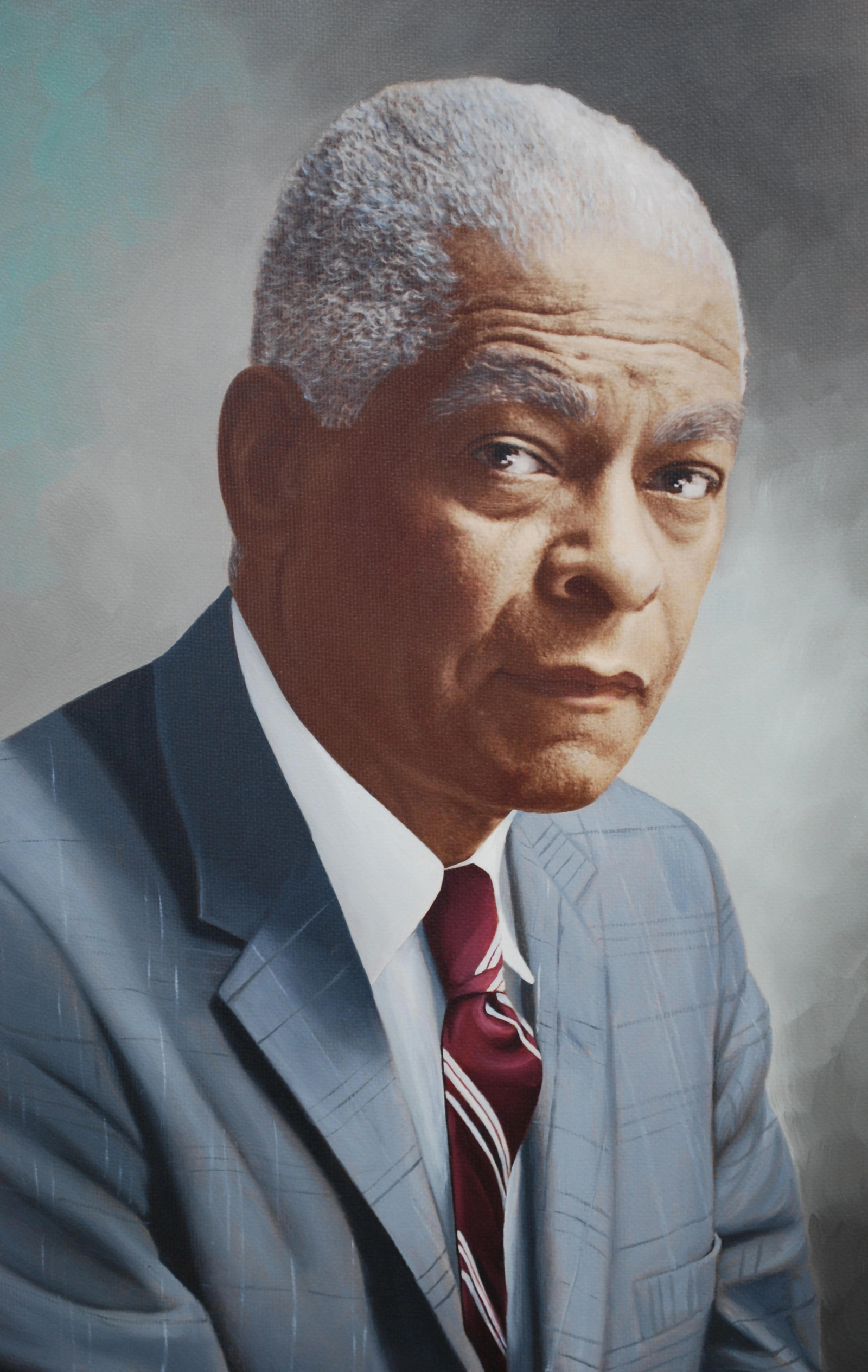
| 5 Quotes | |
| Born as | Benjamin Elijah Mays |
| Known as | Dr. Mays |
| Occup. | Educator |
| From | USA |
| Born | August 1, 1894 Ninety Six, South Carolina |
| Died | 1984 |
| Cite | |
Citation Formats
APA Style (7th ed.)
Benjamin e. mays biography, facts and quotes. (2026, February 11). FixQuotes. https://fixquotes.com/authors/benjamin-e-mays/
Chicago Style
"Benjamin E. Mays biography, facts and quotes." FixQuotes. February 11, 2026. https://fixquotes.com/authors/benjamin-e-mays/.
MLA Style (9th ed.)
"Benjamin E. Mays biography, facts and quotes." FixQuotes, 11 Feb. 2026, https://fixquotes.com/authors/benjamin-e-mays/. Accessed 28 Mar. 2026.
Early Life and Background
Benjamin Elijah Mays was born on August 1, 1894, in Epworth, a rural community in Greenwood County, South Carolina, the youngest of eight children of formerly enslaved parents. He grew up in the long shadow of Reconstruction's collapse, when Jim Crow law, disenfranchisement, and racial terror narrowed Black life into a set of risks and prohibitions. In that setting, faith and family discipline were not abstractions but survival tools, shaping a boy who learned early to measure the distance between American ideals and American practice.His childhood was marked by hard labor, church life, and the daily psychological negotiations demanded by segregation. Mays later described how violence and humiliation were not episodic but atmospheric - a constant pressure that forced Black Southerners to develop vigilance, self-command, and inward resolve. The result in Mays was not resignation but a fierce seriousness about purpose, as if meaning had to be built deliberately to resist a society that tried to deny it.
Education and Formative Influences
Mays left South Carolina for college and acquired, step by step, the credentials that Jim Crow insisted people like him should not have: a liberal arts education at Bates College in Maine (graduating in 1920), theological training at the University of Chicago Divinity School (M.A., 1925), and doctoral study at Columbia University (Ph.D., 1935). His formation joined the Social Gospel's insistence that faith must address public injustice with a scholar's discipline and a minister's cadence, and it positioned him to speak across the worlds of pulpit, classroom, and civic leadership.Career, Major Works, and Turning Points
After early work in ministry and higher education, Mays emerged nationally as a leading Black public intellectual and institution-builder: he served as dean of Howard University School of Religion (late 1930s-1940), coauthored the landmark study The Negro's Church (1933) with Joseph W. Nicholson, and from 1940 to 1967 presided over Morehouse College in Atlanta, where he turned a small men's college into a crucible of disciplined leadership for the mid-century freedom struggle. A decisive turning point was his insistence that education was not merely uplift but preparation for moral combat - a stance he carried into public service on the Atlanta Board of Education (where he later became its first Black chair) and into a wide lecturing life that made him a conscience for both church and nation.Philosophy, Style, and Themes
Mays' inner life revolved around vocation: the conviction that a person is not only made by history but also charged to answer it. He framed purpose as a sacred responsibility rather than a private preference, insisting that individuality carried communal consequences: “Every man and woman is born into the world to do something unique and something distinctive and if he or she does not do it, it will never be done”. The psychological edge of the line is its refusal to sentimentalize identity - uniqueness is not a trophy, it is a summons - and it explains why Mays demanded so much from young men at Morehouse, including the student who would become Martin Luther King Jr., whom Mays mentored by example as much as by counsel.His prose and oratory were spare, rhythmic, and prosecutorial, shaped by scripture but aimed at the conscience of a democratic society. He treated ambition as a moral category: “Not failure, but low aim is sin”. Behind the aphorism lies his lifelong battle against the internalized ceilings produced by segregation - the temptation to scale down desire so the world cannot wound you. Mays countered that temptation with a theology of high standards and long horizons: “The tragedy of life doesn't lie in not reaching your goal. The tragedy lies in having no goal to reach”. For him, goals were not mere career milestones but instruments of dignity, the means by which oppressed people refused to let a hostile environment write their self-definition.
Legacy and Influence
Mays died on March 28, 1984, in Atlanta, by then widely regarded as a principal architect of Black educational leadership in the 20th century and a moral tutor to the civil rights generation. His influence endures less as a single doctrine than as a pattern: rigorous scholarship fused to pastoral urgency, institutional excellence linked to social responsibility, and a public voice that could confront injustice without surrendering to bitterness. In an era when democracy repeatedly failed its own promises, Mays taught that disciplined purpose and ethical ambition were not luxuries - they were the tools by which a people, and a nation, might be made worthy of their ideals.Our collection contains 5 quotes written by Benjamin, under the main topics: Meaning of Life - Goal Setting.
Source / external links