
Benjamin Jowett Biography Quotes 15 Report mistakes
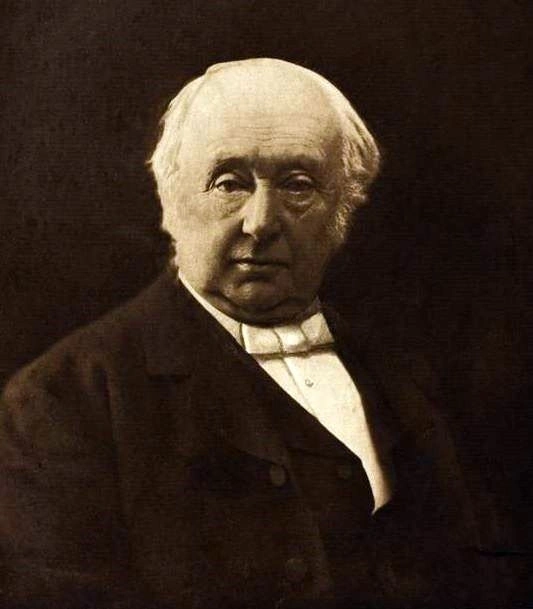
| 15 Quotes | |
| Occup. | Theologian |
| From | England |
| Born | April 15, 1817 Camberwell, London |
| Died | October 1, 1893 |
| Aged | 76 years |
| Cite | |
Citation Formats
APA Style (7th ed.)
Benjamin jowett biography, facts and quotes. (2026, February 14). FixQuotes. https://fixquotes.com/authors/benjamin-jowett/
Chicago Style
"Benjamin Jowett biography, facts and quotes." FixQuotes. February 14, 2026. https://fixquotes.com/authors/benjamin-jowett/.
MLA Style (9th ed.)
"Benjamin Jowett biography, facts and quotes." FixQuotes, 14 Feb. 2026, https://fixquotes.com/authors/benjamin-jowett/. Accessed 27 Mar. 2026.
Early Life and Background
Benjamin Jowett was born on April 15, 1817, in Camberwell, south London, into a clerical-leaning, respectable middle-class household shaped by the moral seriousness of post-Napoleonic England. The Church of England sat near the center of public life, yet it was also an institution under pressure - from industrial change, from dissenting energies, and from the rising authority of historical criticism. Jowett grew up in that tension: piety as inheritance, and inquiry as temptation.Early observers noted his unusual blend of social tact and inward austerity. Physically slight and personally private, he learned to lead through conversation, not charisma - a habit that later made him a maker of careers and a quiet power in Oxford rooms. His emotional life was guarded; he offered devotion in the form he trusted most, the disciplined care of minds, and he came to suspect that institutions often protected habit more than truth.
Education and Formative Influences
He was educated at St Pauls School, London, and in 1836 entered Balliol College, Oxford, where he won high honors and secured a fellowship. Ordained in 1842, he became a tutor at Balliol and began the work that would define him: translating ancient moral and political thought into a language the Victorian conscience could not ignore. Oxford in the 1840s was divided by the Oxford Movement and arguments over authority, tradition, and the meaning of scripture; Jowett gravitated toward a liberal, historically alert theology, drawing strength from Plato and the emerging German critical methods while refusing both dogmatic ritualism and easy skepticism.Career, Major Works, and Turning Points
Jowett became Regius Professor of Greek in 1855, but his larger vocation was educational reform and the making of an intellectual ethos at Balliol, where he served as Master from 1870 until his death on October 1, 1893. A central turning point came with Essays and Reviews (1860), to which he contributed an essay on interpretation; the volume triggered a national storm over biblical criticism, and Jowett endured suspicion, stalled preferment, and attacks that treated inquiry as betrayal. He answered not with polemic but with scholarship and institution-building: his translation of Plato (first issued in 1871, revised thereafter) became a Victorian classic, later joined by his translation of Thucydides (1881) and his influential studies in Pauline theology. Under his guidance, Balliol expanded its reach and prestige, producing administrators, politicians, and scholars trained to argue with precision and to treat public service as an extension of moral education.Philosophy, Style, and Themes
Jowett believed that faith would survive only if it learned to speak honestly in the presence of evidence. He pressed students to separate the enduring moral core of Christianity from the accretions of party and temperament, and he treated interpretation as an ethical act - an obligation to read texts, and people, without forcing them into convenient systems. His most characteristic counsel made pedagogy a moral vocation: “To teach a man how he may learn to grow independently, and for himself, is perhaps the greatest service that one man can do another”. The line captures his inner life: guarded in sentiment, expansive in mentorship, and convinced that freedom was trained, not granted.His style was aphoristic, shrewd, and often edged with paradox, a way of puncturing vanity while keeping conversation humane. The liberal theologian in him distrusted clerical self-certainty, hence his biting reminder that conscience and devotion could outlive professional religion: “You must believe in God, in spite of what the clergy say”. Yet he also understood the psychological cost of Victorian advancement, especially for the ambitious young men who crowded Balliol. “The achievements which society rewards are won at the cost of diminution of personality”. Here Jowett sounds like a diagnostician of his own era - admiring excellence, yet warning that relentless competition can flatten the self, replacing inner integrity with a public mask.
Legacy and Influence
Jowett left no single system, but he reshaped English intellectual life by making Oxford a training ground for candid argument, broad reading, and morally serious public service. His Plato helped naturalize Greek ethical debate within Victorian culture, while his role in the Essays and Reviews controversy marked a decisive moment in the accommodation between Anglican faith and modern criticism. As Master of Balliol he created a model of tutorial education that prized independence over rote, and his network of pupils carried his habits into government and scholarship. He remains emblematic of a particular English ideal: the scholar-administrator who sought to reconcile belief with truthfulness, and who treated education as the most discreet form of moral power.Our collection contains 15 quotes written by Benjamin, under the main topics: Witty One-Liners - Wisdom - Never Give Up - Love - Sarcastic.
Other people related to Benjamin: C. S. Calverley (Poet), Arthur Hugh Clough (Poet)
Source / external links