
Bernard Loiseau Biography Quotes 1 Report mistakes
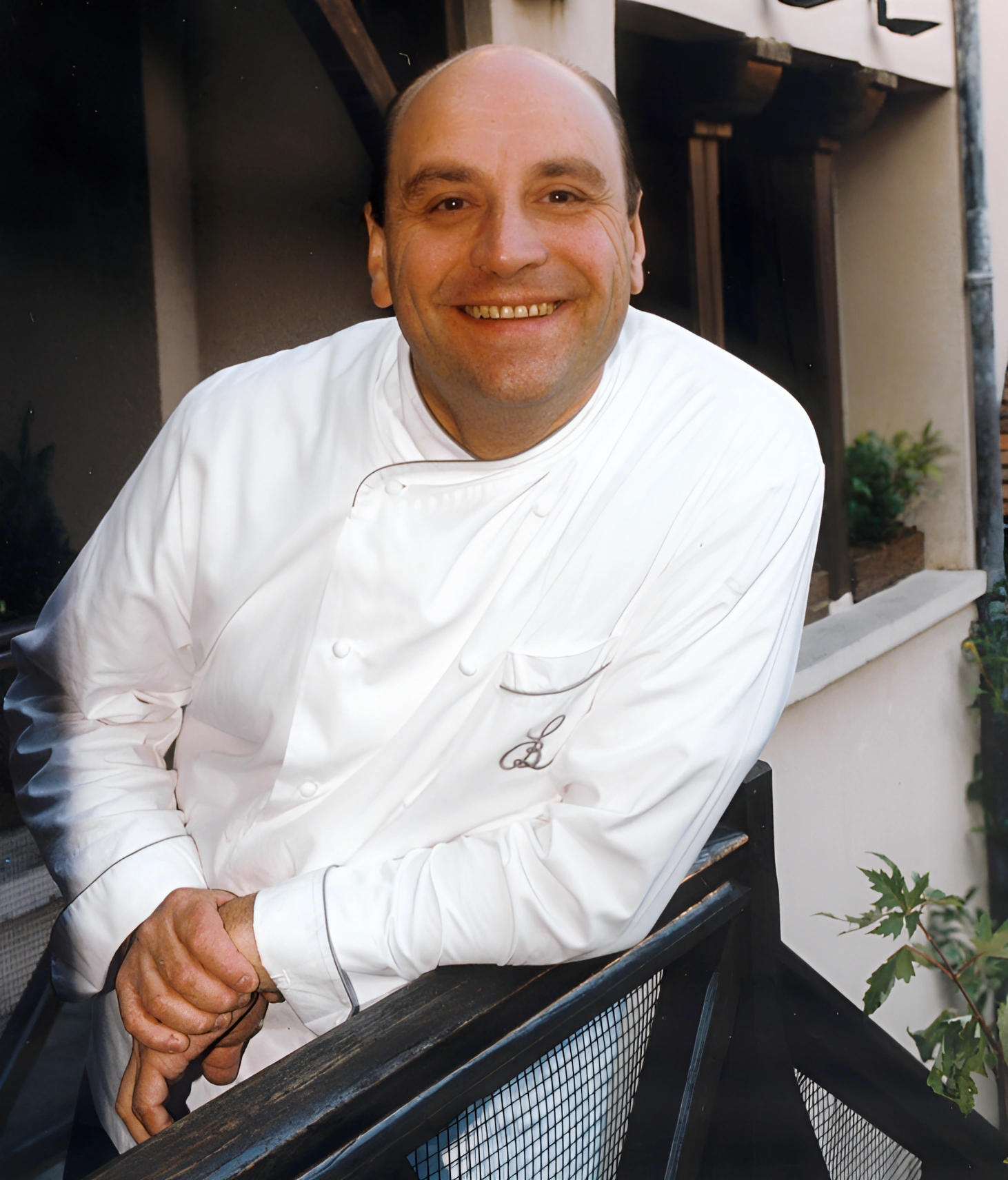
| 1 Quotes | |
| Occup. | Celebrity |
| From | France |
| Born | January 13, 1951 Chamalières, France |
| Died | February 24, 2003 Saulieu, France |
| Cause | Suicide |
| Aged | 52 years |
| Cite | |
Citation Formats
APA Style (7th ed.)
Bernard loiseau biography, facts and quotes. (2026, February 19). FixQuotes. https://fixquotes.com/authors/bernard-loiseau/
Chicago Style
"Bernard Loiseau biography, facts and quotes." FixQuotes. February 19, 2026. https://fixquotes.com/authors/bernard-loiseau/.
MLA Style (9th ed.)
"Bernard Loiseau biography, facts and quotes." FixQuotes, 19 Feb. 2026, https://fixquotes.com/authors/bernard-loiseau/. Accessed 20 Mar. 2026.
Early Life and Background
Bernard Loiseau was born on January 13, 1951, in Chamaliere, near Clermont-Ferrand, in central France, a region where sturdy provincial traditions met the postwar boom that was reshaping French taste. He grew up in a country still organized around terroir and small trades, yet increasingly fascinated by modernity, travel, and the rising prestige of restaurants as cultural institutions.From the beginning, he was marked by an intense, restless ambition that would later read as both fuel and vulnerability. Friends and colleagues remembered a man who did not merely want to cook well but to be recognized - by diners, critics, and the rigid hierarchies of French gastronomy that could elevate a chef into a national emblem or crush him with a single paragraph.
Education and Formative Influences
Loiseau entered the professional kitchen early, training through the French apprenticeship system rather than an academic path, absorbing craft through repetition and hierarchy. He worked in serious houses in his teens and early twenties, most notably at Troisgros in Roanne, where the emerging nouvelle cuisine sensibility - lighter sauces, sharper acidity, shorter cooking times, and a more direct expression of ingredients - offered him a language for speed, clarity, and modern desire. Those formative years taught him that technique alone was insufficient; the diner was not only eating but judging, and the restaurant was a theater in which discipline, timing, and image were inseparable.Career, Major Works, and Turning Points
In the mid-1970s Loiseau took over a struggling inn in Saulieu, Burgundy - La Cote d'Or - and rebuilt it into a destination, aligning his cooking with the era's move away from heavy classicism while keeping the authority of French tradition. Over the following decades he expanded the house into an emblem of French luxury hospitality, adding rooms and a broader business structure while keeping the dining room as the public altar where reputation was earned nightly. His cuisine became associated with vivid sauces built from reduced juices rather than flour-thickened roux, disciplined cooking of vegetables and fish, and a deliberate lightness that still aimed for intensity. Recognition came through the intertwined systems that defined late-20th-century French celebrity chefs: Michelin stars, Gault & Millau ratings, media attention, and a growing market for chef-as-brand. In 2003, amid public speculation about rating pressures and business strain, Loiseau died by suicide on February 24, a shock that exposed how cruelly the industry could bind a chef's inner equilibrium to external scores.Philosophy, Style, and Themes
Loiseau cooked with the psychology of a performer who believed the plate had to carry more than taste - it had to carry uplift, reassurance, and an idea of France refined into an experience. His most quoted line captured his worldview with disarming candor: “We are selling dreams”. For him, the meal was not a transaction for calories but a crafted passage out of ordinary life, and the restaurant was a place where fatigue, anxiety, and routine could be suspended by precision and care.That same sentence continues, “We are merchants of happiness”. , and it reveals the double edge of his ambition. Happiness, in his mind, was something that could be engineered through rigor - perfect temperature, perfect timing, flawless service - and then validated by stars and guides that measured joy with numbers. His style mirrored that tension: sauces stripped of heaviness yet pushed to concentrated depth, presentations clean rather than ornate, flavors tightened into a kind of urgency. Behind the brightness was a man highly attuned to judgment, and his work suggests an artist who needed the audience's pleasure not only as a goal but as proof of his own worth.
Legacy and Influence
Loiseau remains one of the defining figures of the French chef-celebrity era, when cuisine, media, and guidebook economics fused into a single high-stakes arena. He helped normalize a lighter, more ingredient-forward French luxury cooking without abandoning the authority of classic technique, and he demonstrated how a provincial address like Saulieu could become globally famous through relentless standards and narrative. His death forced France to look at the human cost of perfectionism in elite kitchens and the psychological weight of Michelin-era evaluation. In memory, he endures both as a symbol of gastronomic modernity and as a cautionary biography about what happens when a life is tied too tightly to ratings, reputation, and the fragile dream a chef is expected to sell every night.Our collection contains 1 quotes written by Bernard, under the main topics: Marketing.
Source / external links