
Bessie Head Biography Quotes 11 Report mistakes
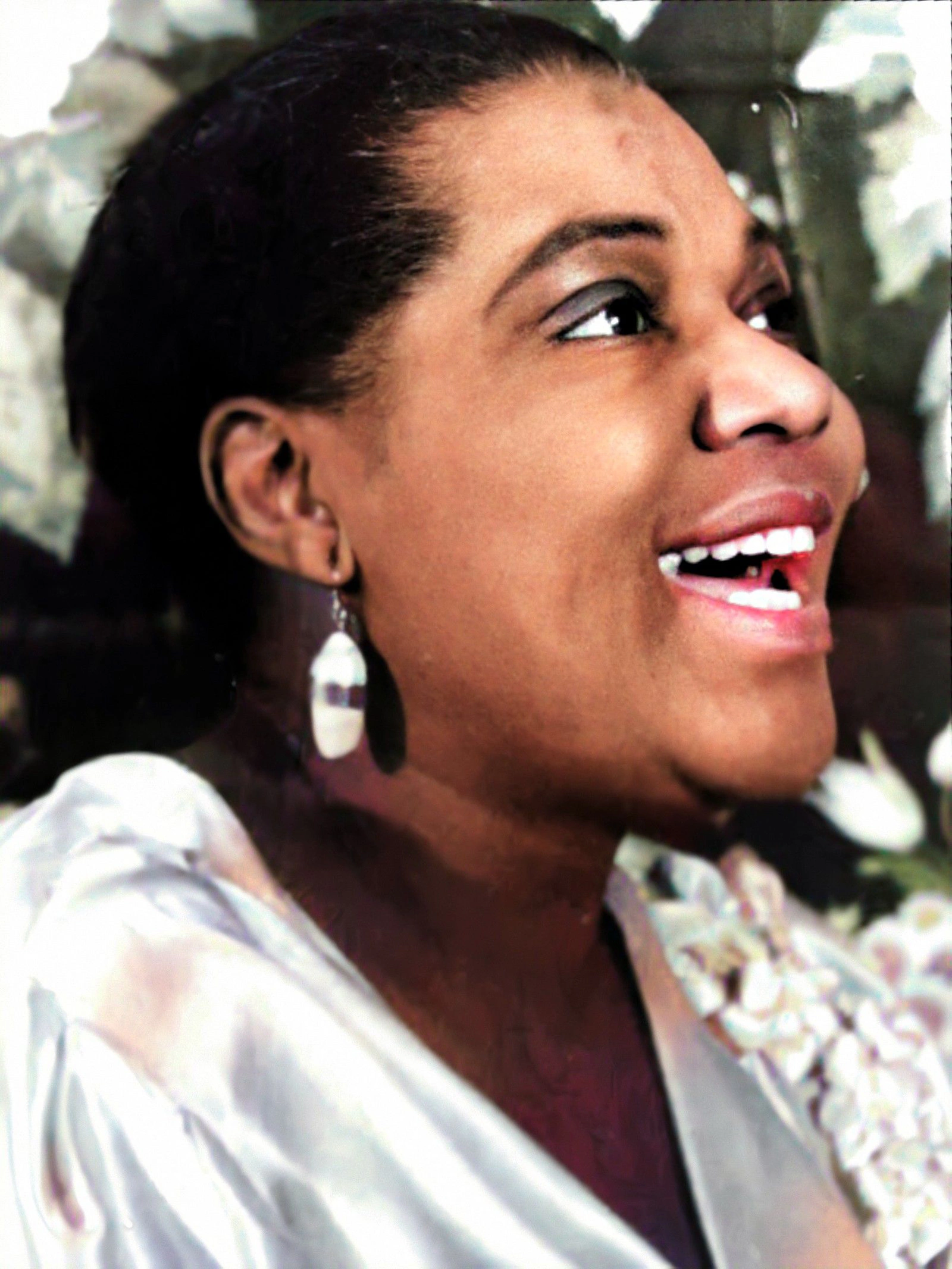
| 11 Quotes | |
| Occup. | Writer |
| From | South Africa |
| Born | July 6, 1937 |
| Died | April 17, 1986 |
| Aged | 48 years |
| Cite | |
Citation Formats
APA Style (7th ed.)
Bessie head biography, facts and quotes. (2026, February 11). FixQuotes. https://fixquotes.com/authors/bessie-head/
Chicago Style
"Bessie Head biography, facts and quotes." FixQuotes. February 11, 2026. https://fixquotes.com/authors/bessie-head/.
MLA Style (9th ed.)
"Bessie Head biography, facts and quotes." FixQuotes, 11 Feb. 2026, https://fixquotes.com/authors/bessie-head/. Accessed 26 Mar. 2026.
Early Life and Background
Bessie Amelia Head was born on July 6, 1937, in Pietermaritzburg, Natal, in a South Africa rigidly policed by race, class, and respectability. From the start, her life was shaped by institutional power: she was born to a white mother, who was committed to a mental institution, and a Black father, and under segregationist law and custom this mixed parentage made her existence a stigma to be managed rather than a child to be raised. She spent her earliest years in care, moved between mission and foster arrangements, absorbing the hard lesson that belonging could be granted or withdrawn by authorities.That early dislocation became the psychic background of her work - a fierce sensitivity to exclusion, gossip, and the slow violence of social rules. It also gave her an unusually wide moral angle: she could see how racial categories deformed not only those they targeted but also those enlisted to enforce them. By the time apartheid tightened after 1948, Head had already lived the intimate version of its logic: the state as family, the file as identity, and loneliness as a political condition.
Education and Formative Influences
Head was educated largely through mission schooling, including time at St. Monica's Home, where disciplined instruction and Christian moral language mixed with the daily realities of poverty and racial hierarchy. Books became both refuge and equipment - a way to name what her life had made wordless - and she gravitated toward teaching and journalism as practical paths for a talented Black woman with few sanctioned options. Her reading ranged across the English novel tradition and African political thought, and she learned early that language could be both shield and weapon, capable of making a private wound legible as a public fact.Career, Major Works, and Turning Points
In the early 1960s she worked in South Africa as a teacher and then as a journalist, moving in circles where anti-apartheid politics, Pan-African ideals, and artistic ambition overlapped, but also where surveillance and factional mistrust could corrode solidarity. The decisive turn came in 1964 when she left South Africa for Botswana, seeking a life beyond pass laws and the psychic pressure of racial classification; she settled in Serowe and spent years in legal and social limbo as an exile. Out of that precariousness came her major books: When Rain Clouds Gather (1968), a novel of communal experiment and agricultural renewal; Maru (1971), an indictment of ethnic hierarchy through the figure of a Masarwa woman; and A Question of Power (1973), her most searing work, shaped by experiences of mental breakdown and by the terror of inner persecution. She later wrote the historically rooted The Collector of Treasures (1977) and Serowe: Village of the Rain Wind (1981), building a literary anthropology of ordinary lives. She died on April 17, 1986, in Botswana, after years of fragile health, having turned exile into a vantage point rather than a defeat.Philosophy, Style, and Themes
Head wrote as someone who had been made into an "exception" and refused to stay one. Her books test whether a human community can be built without sacrificial victims - without the outcast required to stabilize everyone else's identity. She insisted that moral life is practical, not rhetorical, and that tenderness is a discipline rather than a mood: “A discipline I have observed is an attitude of love and reverence to people”. That sentence is not sentimental in her hands; it is the tool she uses to pry open societies organized around contempt, whether apartheid South Africa, stratified village life, or the intimate tyrannies of marriage.Her style is lucid, concrete, and patient with ordinary detail - cattle posts, rain patterns, breadmaking, neighbor talk - because she believed the everyday is where power actually sits. At the same time, she could enter visionary, nightmare registers to dramatize how oppression colonizes the mind, most famously in A Question of Power, where psychological assault mirrors political domination. The ethical center remains relational: “Love is mutually feeding each other, not one living on another like a ghoul”. The image reveals her psychology - a woman alert to predation, to the way institutions and lovers alike can consume a person - and her counterproposal: reciprocity as the only sane foundation for selfhood. Across her work, the search for sanity is never merely clinical; it is the struggle to locate a social world where the self is not constantly on trial.
Legacy and Influence
Head endures as one of Southern Africa's most inward yet socially exact writers, a major architect of the English-language African novel whose vantage point was exile, gendered vulnerability, and fierce ethical intelligence. Her best work made Botswana and the borderlands of apartheid-era life central to world literature, not as exotic scenery but as laboratories of community, prejudice, and survival. Later writers and scholars have drawn on her unsparing account of mental fracture under social pressure, her refusal of easy nationalism, and her insistence that dignity is made in daily acts of mutual care. She left a body of work that continues to speak to readers living under bureaucratic categories and intimate coercions, offering not consolation but a rigorous hope: that a different kind of love can be practiced, and that practice can remake a life.Our collection contains 11 quotes written by Bessie, under the main topics: Ethics & Morality - Justice - Love - Writing - Deep.
Bessie Head Famous Works
- 1989 Tales of Tenderness and Power (Short Story Collection)
- 1984 A Bewitched Crossroad: An African Saga (Historical Work)
- 1981 Serowe: Village of the Rain Wind (Historical Work)
- 1977 The Collector of Treasures and Other Botswana Village Tales (Short Story Collection)
- 1973 A Question of Power (Novel)
- 1971 Maru (Novel)
- 1968 When Rain Clouds Gather (Novel)
Source / external links