
Betty Dodson Biography Quotes 11 Report mistakes
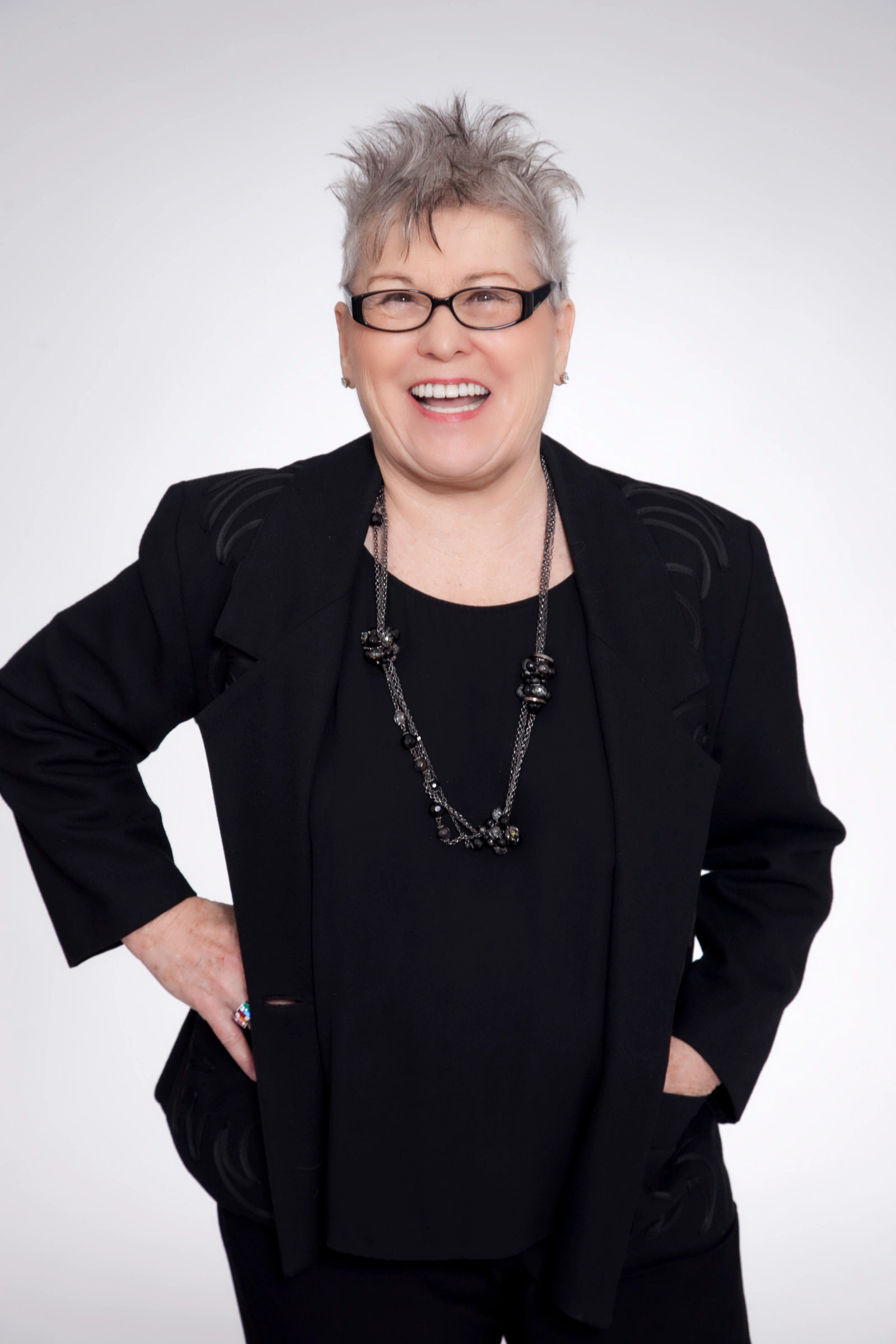
Attr: Newcherrybomb, CC BY-SA 4.0
| 11 Quotes | |
| Occup. | Educator |
| From | USA |
| Born | August 24, 1929 USA |
| Age | 96 years |
| Cite | |
Citation Formats
APA Style (7th ed.)
Betty dodson biography, facts and quotes. (2026, February 11). FixQuotes. https://fixquotes.com/authors/betty-dodson/
Chicago Style
"Betty Dodson biography, facts and quotes." FixQuotes. February 11, 2026. https://fixquotes.com/authors/betty-dodson/.
MLA Style (9th ed.)
"Betty Dodson biography, facts and quotes." FixQuotes, 11 Feb. 2026, https://fixquotes.com/authors/betty-dodson/. Accessed 12 Feb. 2026.
Early Life and Background
Betty Dodson was born Bettye Naomi Boose on August 24, 1929, in Kansas City, Kansas, and grew up in the long shadow of the Depression and the moral austerity that followed it. Her father worked as an electrician and her mother as a homemaker; the family moved within the Midwest as jobs shifted, and Dodson later described childhood as a mixture of ordinary American striving and an early sense that womens lives were scripted - polite, dutiful, and quietly hungry for permission to want more.That hunger, and her refusal to treat female desire as shameful, became the through-line of her life. Before she was known as an educator and a public voice for sexual self-determination, she was a girl watching how women apologized for their bodies and how men were taught to expect womens accommodation. The postwar years offered both constraint and opportunity: a booming consumer culture on one hand, and on the other a tightening of gender roles that made dissent feel not merely rebellious but necessary for psychic survival.
Education and Formative Influences
Dodson studied art, training as a commercial artist and illustrator, and she kept the eye of a draftswoman even when her subject became the body rather than the page. Mid-century art worlds in New York - where she eventually settled - were both freer than suburbia and still steeped in male entitlement; she absorbed modernist frankness, the emerging sexual research of the era, and the rising currents that would soon crest in second-wave feminism, translating them into a vocabulary ordinary people could use without academic gatekeeping.Career, Major Works, and Turning Points
In the late 1960s and 1970s, as the sexual revolution collided with feminist critiques of exploitation, Dodson pivoted from private exploration to public teaching. She became widely known for women-only consciousness-raising and masturbation workshops in New York City, later formalized as "Bodysex" groups, where anatomy lessons, guided self-touch, and peer witnessing aimed to convert embarrassment into knowledge and agency. Her book Sex for One (first published in 1987) distilled the method into an accessible manual and made her a touchstone for people who wanted sexuality framed as learned skill rather than performance for someone else. Over decades she lectured, counseled, and wrote with a blunt, humorous candor, becoming both celebrated and controversial, especially as feminist debates about pornography, sex work, and sexual freedom sharpened.Philosophy, Style, and Themes
Dodsons core premise was that sexual autonomy begins with literacy - in sensation, in anatomy, in language. Her teaching treated orgasm not as a mystical prize or a partners validation, but as a bodily capacity that can be practiced without apology: "The orgasm is simply when the body does take over". That sentence captures her psychological stance - a suspicion of self-conscious performance and a belief that pleasure, properly understood, returns authority to the body, especially for women trained to monitor themselves from the outside.Just as central was her insistence that honesty is kinder than politeness, and that unequal sexual diplomacy harms everyone. "We are constantly protecting the male ego, and it's a disservice to men". For Dodson, the inner work was not merely learning technique but unlearning sacrifice as a female reflex: "Sacrifice, sacrifice, sacrifice! That's the condition of the female". Her style - part clinician, part stand-up comic, part feminist organizer - used laughter to lower defenses, then pressed for clear speech about preferences, consent, and mutual responsibility. Aging, too, became a theme: she argued that pleasure was not youth-limited but practice-sustained, a domain where older women could reclaim vitality rather than mourn it.
Legacy and Influence
Dodson died in New York City in 2020, but her influence continues across sex education, feminism, and therapeutic culture. She helped normalize masturbation as a legitimate route to self-knowledge, expanded the repertoire of womens health discourse beyond reproduction, and modeled an educator who spoke to everyday people without euphemism. Later waves of sex-positive feminism, inclusive sex coaching, and even the language of "sexual wellness" owe her a debt - not because she made desire fashionable, but because she treated it as ordinary, teachable, and politically consequential, insisting that private pleasure and public equality are linked by the same skill: telling the truth about what the body wants.Our collection contains 11 quotes written by Betty, under the main topics: Witty One-Liners - Sarcastic - Equality - Movie - Health.
Source / external links