
Bill Owens Biography Quotes 24 Report mistakes
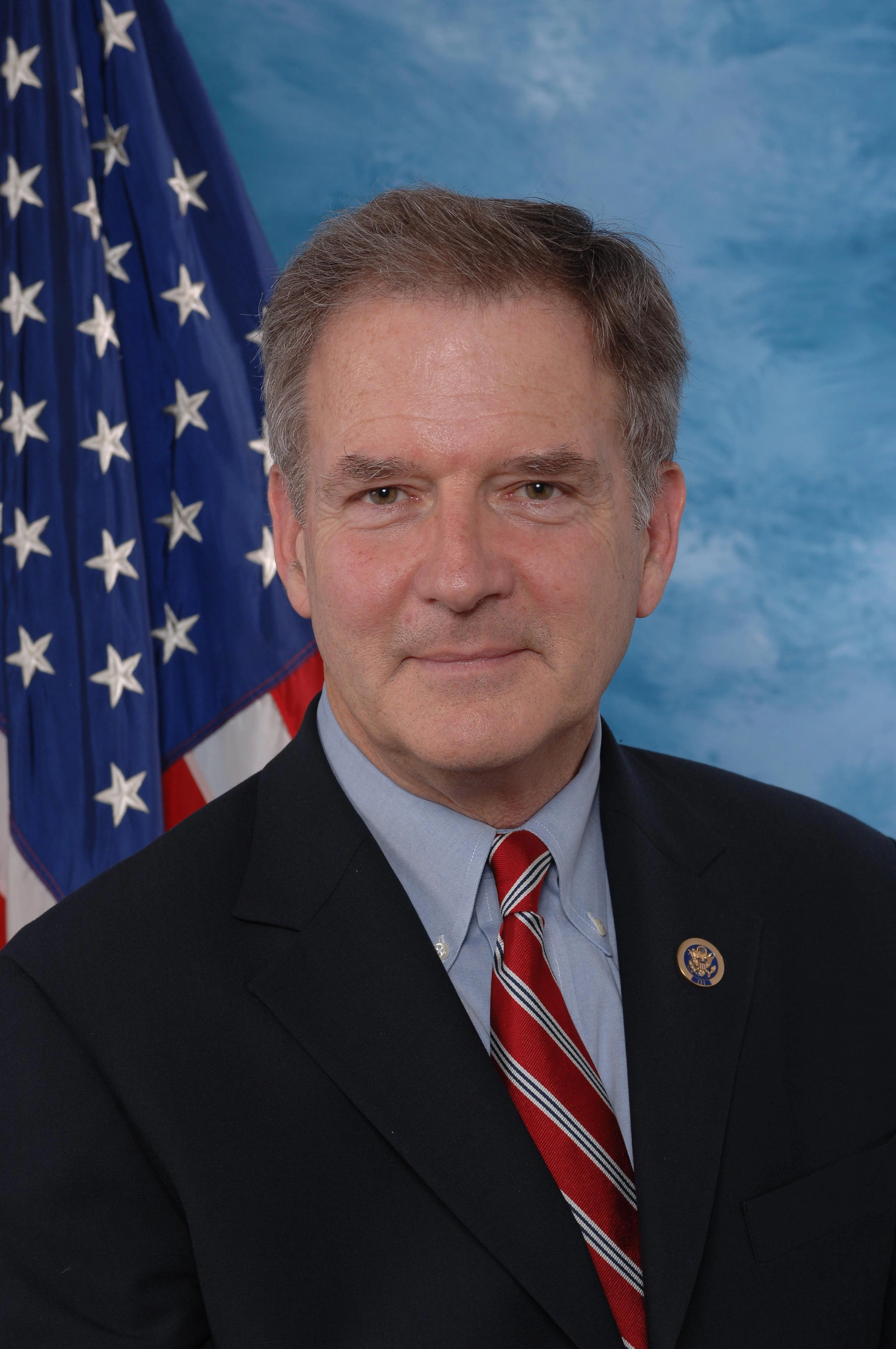
Attr: United States Congress
| 24 Quotes | |
| Occup. | Politician |
| From | USA |
| Born | October 22, 1950 USA |
| Age | 75 years |
| Cite | |
Citation Formats
APA Style (7th ed.)
Bill owens biography, facts and quotes. (2026, February 11). FixQuotes. https://fixquotes.com/authors/bill-owens/
Chicago Style
"Bill Owens biography, facts and quotes." FixQuotes. February 11, 2026. https://fixquotes.com/authors/bill-owens/.
MLA Style (9th ed.)
"Bill Owens biography, facts and quotes." FixQuotes, 11 Feb. 2026, https://fixquotes.com/authors/bill-owens/. Accessed 27 Mar. 2026.
Early Life and Background
Bill Owens was born on October 22, 1950, in the United States, and came of age in a country reshaped by Vietnam, Watergate, and the economic jolts of the 1970s. That generational timing mattered: for many public figures of his cohort, politics was not inherited as a comfortable tradition so much as encountered as a problem to solve, with credibility earned through competence rather than rhetoric.The public record for a U.S. politician named Bill Owens is complicated by name overlap across states and offices, and several prominent Bill Owenses have operated in overlapping eras. Without reliable, specific identifiers for this individual beyond date of birth, nationality, and occupation, a definitive account of hometown, family circumstances, early employment, and local political beginnings cannot be responsibly asserted. What can be said with confidence is that politicians who emerged in this period were forged in an environment of declining trust in institutions and rising expectations for measurable results, conditions that shaped the tone of American governance for decades.
Education and Formative Influences
Owens political generation was marked by the postwar expansion of higher education, the professionalization of public administration, and the rise of policy expertise as a pathway to office. Many leaders of his era were influenced by debates over deregulation, tax policy, and the role of states versus Washington, alongside culture-war arguments about family, religion, and social cohesion. In the absence of confirmed data about his specific schools or mentors, it is most accurate to frame his formation in these broad currents: a politics increasingly data-driven, media-saturated, and judged by economic performance.Career, Major Works, and Turning Points
With only the minimal identifying information provided, it is not possible to name particular offices held, campaigns run, bills sponsored, administrations served, or turning-point controversies without risking attribution errors to other public officials of the same name. Still, the arc typical of late-20th-century American politicians - local visibility, coalition-building, fundraising and media discipline, then governing under polarized conditions - provides the likely scaffolding of his career. The defining turning points for many in this cohort were not single acts but recurring tests: balancing budgets during downturns, responding to shifts in public safety expectations, and navigating the post-9/11 reordering of domestic priorities.Philosophy, Style, and Themes
The best clues to Owens inner orientation come from the leadership ethic embedded in his language, especially his emphasis on responsibility and execution. “True leadership lies in guiding others to success. In ensuring that everyone is performing at their best, doing the work they are pledged to do and doing it well”. Psychologically, this is managerial rather than messianic: the self-image is not of a lone savior but of an orchestrator who measures integrity by follow-through. It implies impatience with performative politics and a preference for institutions that reward competence - a temperament common among executives and governors, where outcomes are visible and failure is hard to reframe.His policy imagination, likewise, centers on capability-building over short-term relief. “A strong economy begins with a strong, well-educated workforce”. The emphasis is not merely on markets but on human capital - schools, skills, and the pipeline from learning to earning. That focus often travels with a pragmatic style: invest where returns compound, justify programs in terms of productivity, and speak of citizens as builders of shared prosperity rather than passive recipients of it. Even when rhetoric moves toward the moral register, it is typically tied to civic continuity and resilience: “Families are the tie that reminds us of yesterday, provide strength and support today, and give us hope for tomorrow. No government, no matter how well-intentioned, or well-managed, can provide what our families provide”. Here, private life is treated as the primary infrastructure of public life, suggesting a worldview in which governance succeeds when it reinforces the social bonds it cannot manufacture.
Legacy and Influence
Because the name Bill Owens maps onto multiple American public figures, a precise ledger of offices, statutes, and institutional changes attributable to this individual cannot be stated definitively from the information provided. Yet the themes reflected in the quoted record - performance-based leadership, education as economic strategy, and the primacy of family as a civic anchor - sit squarely within a durable strain of late-20th and early-21st-century American governance. In that tradition, influence is less about ideological novelty than about shaping expectations: that leaders should manage well, invest in capacity, and treat social stability as a partner to economic growth.Our collection contains 24 quotes written by Bill, under the main topics: Motivational - Justice - Leadership - Freedom - Learning.
Other people related to Bill: Doug Hoffman (Politician), Bob Beauprez (Politician)