
Bill Pascrell Biography Quotes 6 Report mistakes
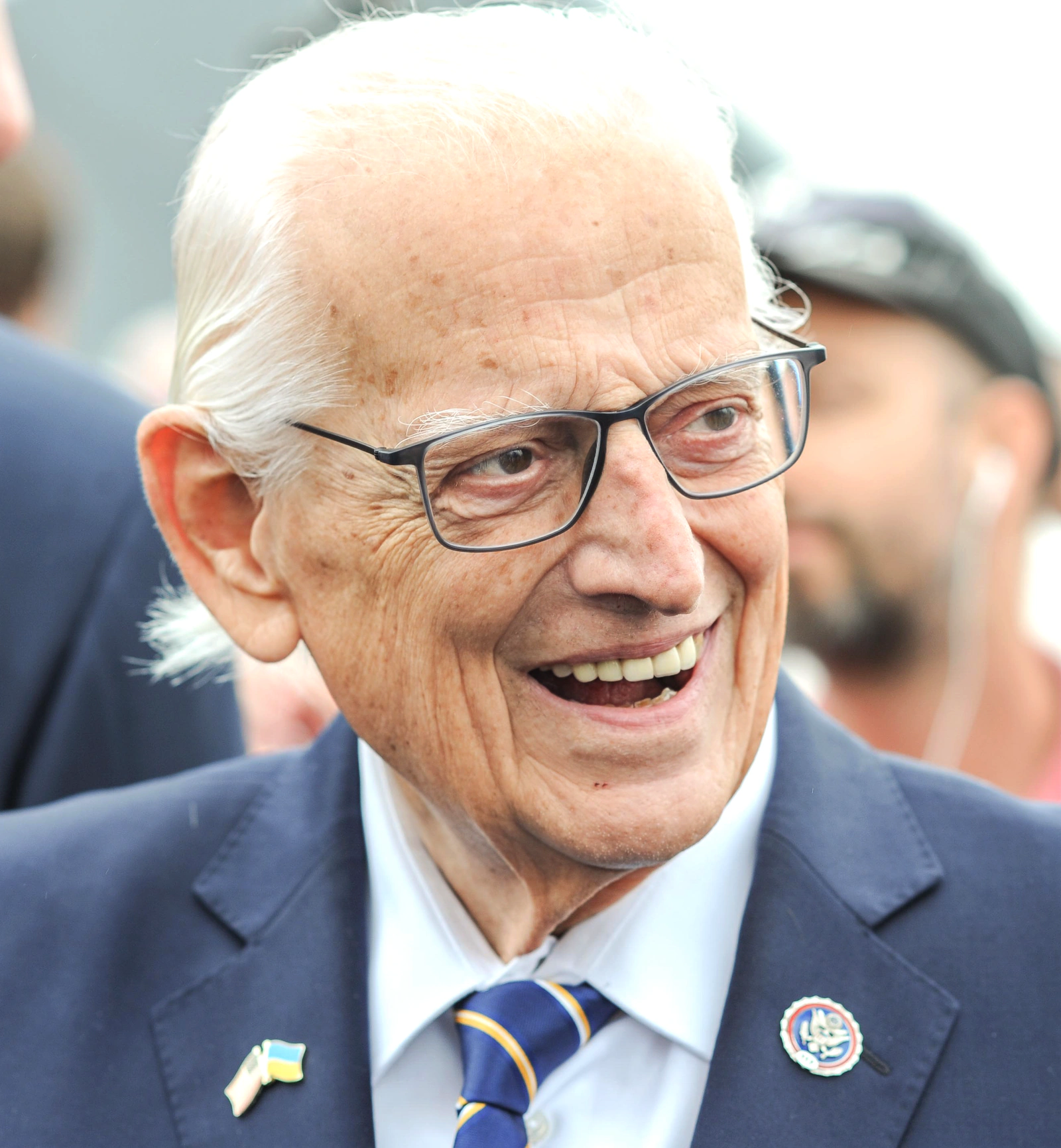
| 6 Quotes | |
| Born as | William James Pascrell Jr. |
| Occup. | Politician |
| From | USA |
| Spouse | Elsie Botto (1962) |
| Born | January 25, 1937 Paterson, New Jersey, USA |
| Age | 89 years |
| Cite | |
Citation Formats
APA Style (7th ed.)
Bill pascrell biography, facts and quotes. (2026, February 11). FixQuotes. https://fixquotes.com/authors/bill-pascrell/
Chicago Style
"Bill Pascrell biography, facts and quotes." FixQuotes. February 11, 2026. https://fixquotes.com/authors/bill-pascrell/.
MLA Style (9th ed.)
"Bill Pascrell biography, facts and quotes." FixQuotes, 11 Feb. 2026, https://fixquotes.com/authors/bill-pascrell/. Accessed 12 Feb. 2026.
Early Life and Education
William James Pascrell Jr. was born in Paterson, New Jersey, on January 25, 1937. Raised in a tight-knit, working-class community with deep Italian American roots, he grew up in a city shaped by manufacturing, immigration, and civic activism. Those surroundings fostered a lifelong commitment to public service and to the well-being of industrial towns. After local schooling, he attended Fordham University, where he earned both a bachelors and a masters degree. He also served in the United States Army and later the Army Reserve, experiences that deepened his identification with veterans, first responders, and public safety professionals. Before entering elected office, he taught in New Jersey public schools and at area colleges, developing a reputation as an accessible educator who translated policy into practical terms for students and neighbors alike.Local and State Service
Pascrells first prominent steps in public life came in Paterson, where neighborhood associations, faith communities, labor organizations, and small businesses often overlapped in common cause. He was elected to the New Jersey General Assembly in 1988 from a district centered on Paterson and Passaic County. In Trenton he focused on education, urban revitalization, and public safety, drawing on his background in the classroom and in community work. He built relationships with fellow legislators from North Jersey and with municipal leaders who shared his preoccupation with the challenges of older cities. Among the local figures who shaped the civic landscape he inherited was Patersons longtime mayor Frank X. Graves Jr., whose focus on the citys day-to-day concerns left an imprint on Pascrells approach to practical governance.Mayor of Paterson
While serving in the General Assembly, Pascrell won election as mayor of Paterson in 1990. New Jersey still permitted dual officeholding, and he used the combined roles to amplify the citys voice in state policymaking. As mayor he emphasized neighborhood policing, economic development targeted to main streets, and partnerships with hospitals, schools, and cultural institutions. Governing a city with tight budgets and big needs, he became known for hands-on constituent work, a hallmark of his later career. He regularly consulted community leaders, clergy, and union heads, developing a pragmatic style that prioritized visible results in services such as sanitation, fire protection, and youth programs.Election to Congress
The 1996 congressional elections opened a new chapter. Pascrell ran as a Democrat in New Jerseys 8th District and defeated the incumbent Republican, Bill Martini, in a closely watched race. He carried with him the sensibilities of a mayor who had wrestled with local problems and the instincts of a teacher who explained policy plainly. For constituents in Paterson, Clifton, Passaic, and nearby towns, he presented himself as a neighborhood congressman, a ground-level advocate within a national institution. After the 2010 census, New Jerseys map was redrawn and much of his base became part of the 9th District. That set up a rare primary between sitting Democrats, and in 2012 Pascrell faced Representative Steve Rothman. With strong backing from local community leaders, labor groups, and a high-profile boost from former President Bill Clinton, Pascrell won the primary and then the general election, continuing his service in Washington.Congressional Work and Committees
In the House, Pascrells assignments reflected his emphasis on infrastructure, public safety, and fiscal fairness. He served on the Transportation and Infrastructure Committee and the Homeland Security Committee before moving to the Ways and Means Committee, where he focused on tax policy, health programs, and oversight. On Ways and Means he worked closely with Democratic chairs such as Richard Neal and with party leadership including Speaker Nancy Pelosi to press issues that resonated in North Jersey, from the deductibility of state and local taxes to the stability of Medicare and Social Security. As a senior member involved in oversight, he pursued greater transparency around presidential tax filings, seeking information from the Treasury Department and the IRS and pressing Treasury Secretary Steven Mnuchin and other officials to meet statutory obligations.Public Safety and Health Advocacy
Pascrell became widely associated with federal support for firefighters and first responders. He helped champion the Firefighter Investment and Response Enhancement effort that led to the creation of Assistance to Firefighters Grants and later SAFER staffing grants, programs that have directed resources to departments across the country. He worked across the aisle with colleagues with fire-service expertise, including Republican Curt Weldon, to keep those programs funded and responsive to needs in cities and suburbs alike. He also co-founded and co-chaired the Congressional Brain Injury Task Force, organizing bipartisan support with Republican counterparts such as Todd Platts to improve prevention, research, and rehabilitation for traumatic brain injury. That work connected him to medical experts, veterans groups, athletes, and families seeking long-term support, and reflected his larger belief that federal policy should address practical, measurable needs.District Focus and Political Style
Representing a district anchored in Paterson and extending into Bergen and Passaic counties, Pascrell carried the concerns of dense, diverse communities to Washington. He advocated investments in roads, bridges, commuter rail, and ports, arguing that New Jerseys economy depends on reliable transportation and fair funding formulas. He pressed for manufacturing revival and small-business assistance, pointing to the ingenuity of immigrant entrepreneurs and long-established family firms. On taxes, he emphasized relief for middle-class homeowners in high-cost regions and sought to preserve the tools local governments use to maintain services. His style remained retail and relational: frequent town halls, steady constituent casework, and regular coordination with county executives, mayors, school superintendents, and nonprofit leaders who shared district responsibilities with him.Campaigns, Accountability, and National Context
As national politics grew more polarized, Pascrell positioned himself as a defender of institutions and accountability. He urged transparency in the executive branch and supported congressional inquiries into ethical and legal questions, including those surrounding the administration of President Donald Trump. After the 2020 election, he publicly pressed House leadership to scrutinize members who aided efforts to overturn certified results, framing the issue as one of constitutional responsibility. Even in contentious moments, he continued to coordinate with colleagues across the spectrum on discrete issues where common ground existed, keeping lines open with Republicans on public safety and veterans health while remaining a loyal vote for Democratic budget and health priorities.Relationships and Collaborations
Throughout his career, Pascrells effectiveness rested on relationships. In Paterson, he worked closely with community organizers and civic stewards who had also collaborated with Frank X. Graves Jr. In Congress, he partnered with Curt Weldon on fire services, with Todd Platts on brain injury initiatives, and with committee leaders like Richard Neal to advance tax and health measures. He navigated intra-party competition with Steve Rothman during redistricting, earning support from figures such as Bill Clinton, and he coordinated with Speaker Nancy Pelosi on floor strategy for oversight and relief measures. He also engaged regularly with New Jerseys Senate delegation and House colleagues to secure regional priorities, aligning urban and suburban interests in a tightly interconnected metropolitan area.Personal Life and Legacy
Pascrell maintained deep ties to his hometown, keeping a visible presence at local parades, school events, and veterans gatherings. He and his family rooted their lives in the neighborhoods that first shaped his public sensibility. Fordham University connections remained a source of pride, and his years as a teacher colored the way he explained complex policy questions to constituents and colleagues. Over decades in office he accumulated recognition from firefighters associations, veterans organizations, and brain injury advocates, but he was best known for sustained attention to casework and for the belief that government is most legitimate when it directly helps people solve problems. Bill Pascrells career traces a clear line from classroom and city hall to committee rooms in the Capitol, marked by persistence, pragmatic coalition-building, and loyalty to the communities of North Jersey that sent him to serve.Our collection contains 6 quotes written by Bill, under the main topics: Justice - Equality - Police & Firefighter - War - Money.
Other people related to Bill: Dave Reichert (Politician)
Frequently Asked Questions
- Bill Pascrell chief of staff: Ben Rich
- Bill Pascrell staff: Various legislative, communication, and administrative staff members
- Bill Pascrell committees: House Ways and Means Committee, Budget Committee, Homeland Security Committee
- Bill Pascrell party: Democratic Party
- Bill Pascrell office: U.S. House of Representatives, New Jersey 9th District
- Bill Pascrell net worth: Estimated between $215,000 and $7 million
- How old is Bill Pascrell? He is 89 years old
Source / external links