
Bill Tilden Biography Quotes 2 Report mistakes
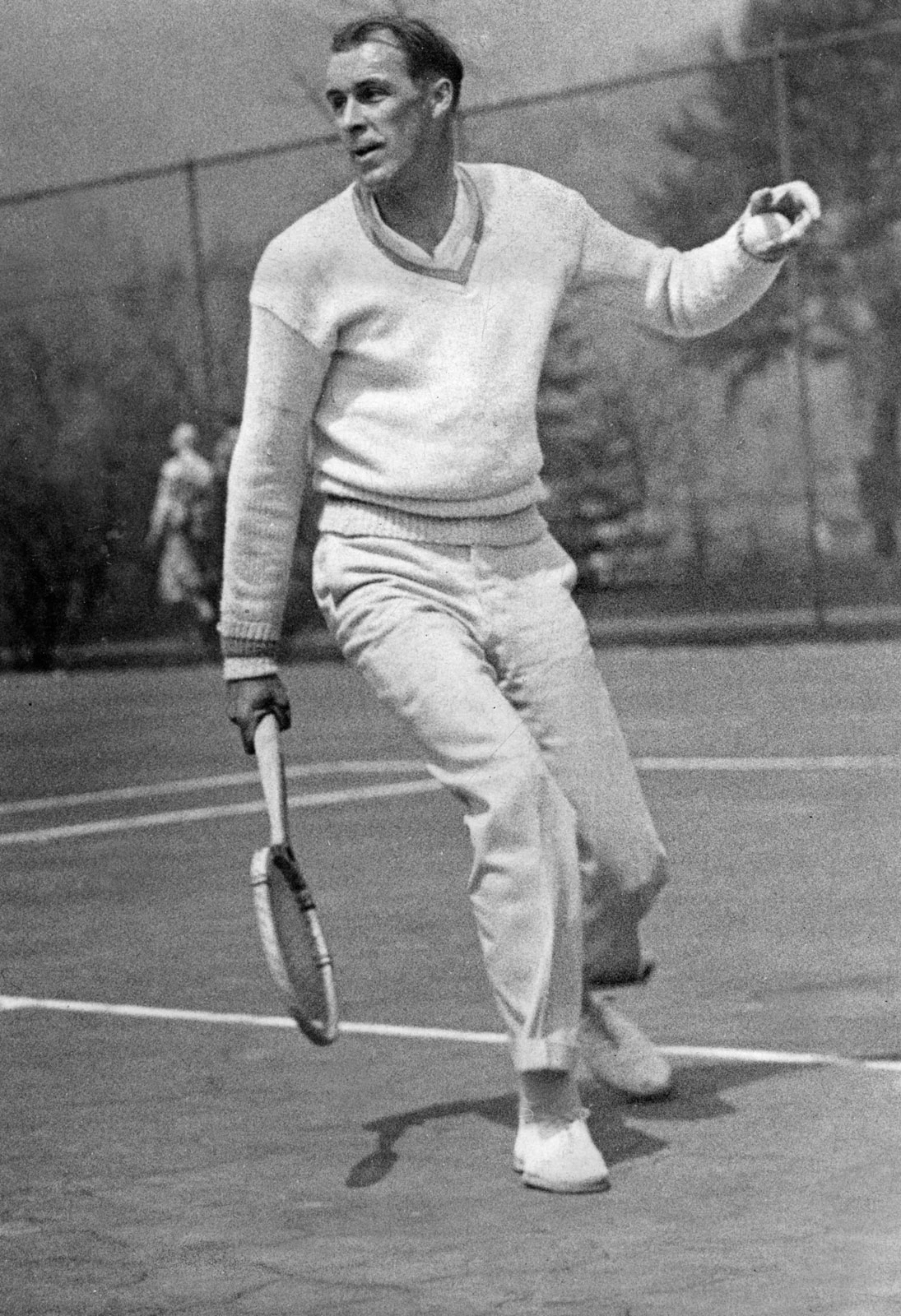
| 2 Quotes | |
| Born as | William Tatem Tilden II |
| Occup. | Athlete |
| From | USA |
| Born | February 10, 1893 Philadelphia, Pennsylvania, U.S. |
| Died | June 5, 1953 Los Angeles, California, U.S. |
| Aged | 60 years |
| Cite | |
Citation Formats
APA Style (7th ed.)
Bill tilden biography, facts and quotes. (2026, February 11). FixQuotes. https://fixquotes.com/authors/bill-tilden/
Chicago Style
"Bill Tilden biography, facts and quotes." FixQuotes. February 11, 2026. https://fixquotes.com/authors/bill-tilden/.
MLA Style (9th ed.)
"Bill Tilden biography, facts and quotes." FixQuotes, 11 Feb. 2026, https://fixquotes.com/authors/bill-tilden/. Accessed 12 Feb. 2026.
Early Life and Introduction to Tennis
William Tatem Tilden II, widely known as Bill Tilden and often called Big Bill, was born in 1893 in Philadelphia, Pennsylvania. He grew up in a well-to-do family and discovered tennis at a young age, developing a disciplined, self-taught approach that emphasized constant practice and close observation of opponents. Philadelphia's active club culture, especially the strict routines of elite amateur sport, gave him a foundation in both technique and competitive etiquette. From the beginning he treated tennis as both a craft and an art, reading, writing, and thinking about the game as intensely as he played it.Rise to Prominence
Tilden emerged as a leading American player in the 1910s and took command of the sport in the years immediately following World War I. He brought a fresh tactical rigor to the court, blending a penetrating forehand, heavy spin variations, and a well-disguised serve with an actor's feel for timing and crowd dynamics. His breakthrough on the national stage led to multiple United States Championships (now the US Open) singles titles and signaled the beginning of an era in which he was the defining figure in American tennis. He balanced power with geometry, using angles, depth, and tempo shifts to dismantle opponents, and he showed a willingness to evolve technically even at the top of the game.Peak Years and Rivalries
In the early to mid-1920s, Tilden was the preeminent player in the world. He achieved the top ranking for several years and collected Wimbledon singles titles along with his championships at home. His rivalry with William M. Johnston, called Little Bill, became one of the signature duels in American sport, a classic contrast in styles that drew enthusiastic crowds. As European tennis rose, he faced the celebrated French Musketeers, including Rene Lacoste, Henri Cochet, and Jean Borotra. These encounters, whether in Grand Slam finals or Davis Cup ties, showcased Tilden's ability to solve problems under pressure and added an international dimension to his stature. He also partnered at times with Vincent Richards in doubles, bringing his strategic mindset to the quick, improvisational exchanges at the net.Davis Cup and International Impact
Tilden was central to the United States' dominance in the Davis Cup during the 1920s. He functioned not only as a match-winner but as a psychological anchor, setting expectations for meticulous preparation and a professional attitude within the amateur framework of the time. His presence helped define the United States team's identity in a period when the event was a major showcase for national pride. For many fans abroad, their first sustained exposure to modern American tennis came through Tilden's tours and Davis Cup campaigns, which blended spectacle with instruction and helped broaden the sport's appeal.Style, Technique, and Innovation
Tilden's game was built on variation and control. He emphasized percentage tennis, selecting shots with an eye toward building a point rather than chasing outright winners too early. He worked a biting slice backhand and could roll topspin to elicit short replies, then finish with a driving forehand. His serve featured spin, kick, and placement rather than sheer pace, and he used it to start patterns that put him in command. He was a pioneer in articulating the mental side of competition, arguing that a champion must learn to read an opponent's temperament as carefully as his strokes. In match after match, Tilden's calm between points and his dramatic surges at key moments testified to his belief that momentum could be engineered.Author and Public Figure
Beyond the baseline, Tilden became one of tennis's most influential authors. In widely read books and articles, he explained fundamentals, strategy, and match psychology in plain, vivid language, expanding the sport's vocabulary for coaches, players, and fans. Titles such as The Art of Lawn Tennis and Match Play and the Spin of the Ball distilled his philosophy: practice with purpose, design points thoughtfully, and master the emotional temperature of competition. He cultivated a public persona that combined the authority of a champion with the flourish of a performer, using lectures, exhibitions, and writing to elevate tennis's cultural standing.Transition to the Professional Game
As the boundaries between amateur prestige and professional opportunity shifted, Tilden moved into the professional ranks in the early 1930s. He toured extensively, bringing top-level tennis to audiences far from traditional clubs. On these circuits he faced a new wave of greats, including Ellsworth Vines, Fred Perry, and later Don Budge, matches that pitted his experience and craft against younger power players. He also organized traveling troupes that mixed exhibitions with instruction, helping build a commercial model for professional tennis long before the modern tour coalesced. Even in his late thirties and forties, he remained an effective competitor, relying on placement, anticipation, and his deep strategic library.Setbacks and Controversies
Tilden's later life was marred by serious legal troubles in the late 1940s that led to convictions and jail terms. The repercussions were swift and severe: he was barred from many elite clubs and tournaments and faced ostracism within the sport he had once dominated. These events complicated his public legacy and changed the tenor of his final years, forcing him to rely on exhibitions, coaching, and writing rather than mainstream competition. Friends and former rivals, including players he had once mentored or faced across the net, remained points of reference in his public narrative, but the broad institutional support he had enjoyed in the 1920s and early 1930s largely receded.Later Years and Death
Despite the setbacks, Tilden continued to teach, write, and play exhibitions. He split his time between tennis communities on both coasts, and he remained a visible, if controversial, figure. He died in 1953 in California, reportedly of heart-related causes. His passing closed a chapter in American sports history: a champion whose mastery of tactics and showmanship defined an era, yet whose personal life brought censure and isolation. Contemporaries such as Johnston, Lacoste, Cochet, Borotra, Richards, Vines, Perry, and Budge served as bookends to his career, marking the breadth of a competitive journey that spanned the amateur and professional worlds.Legacy
Bill Tilden's legacy rests on an extraordinary run of titles, his leadership in Davis Cup play, and a profound influence on how tennis is understood and taught. He helped shape the notion that winning tennis is a dialogue between minds as much as a contest of strokes. His books and public commentary codified strategies that still appear in coaching manuals and player routines: vary spin and pace, probe weaknesses, conserve energy, and seize turning points. He was central to making tennis a spectator sport with a compelling narrative, connecting technique to theater. At the same time, the controversies late in his life stand as a stark reminder of how personal conduct can redefine a public figure. Together, the brilliance of his peak and the shadows of his decline make his story one of the most complex in American athletics, and his name remains a reference point whenever the greatest players in tennis history are discussed.Our collection contains 2 quotes written by Bill, under the main topics: Training & Practice - Decision-Making.
Source / external links