
Billy Wilder Biography Quotes 26 Report mistakes
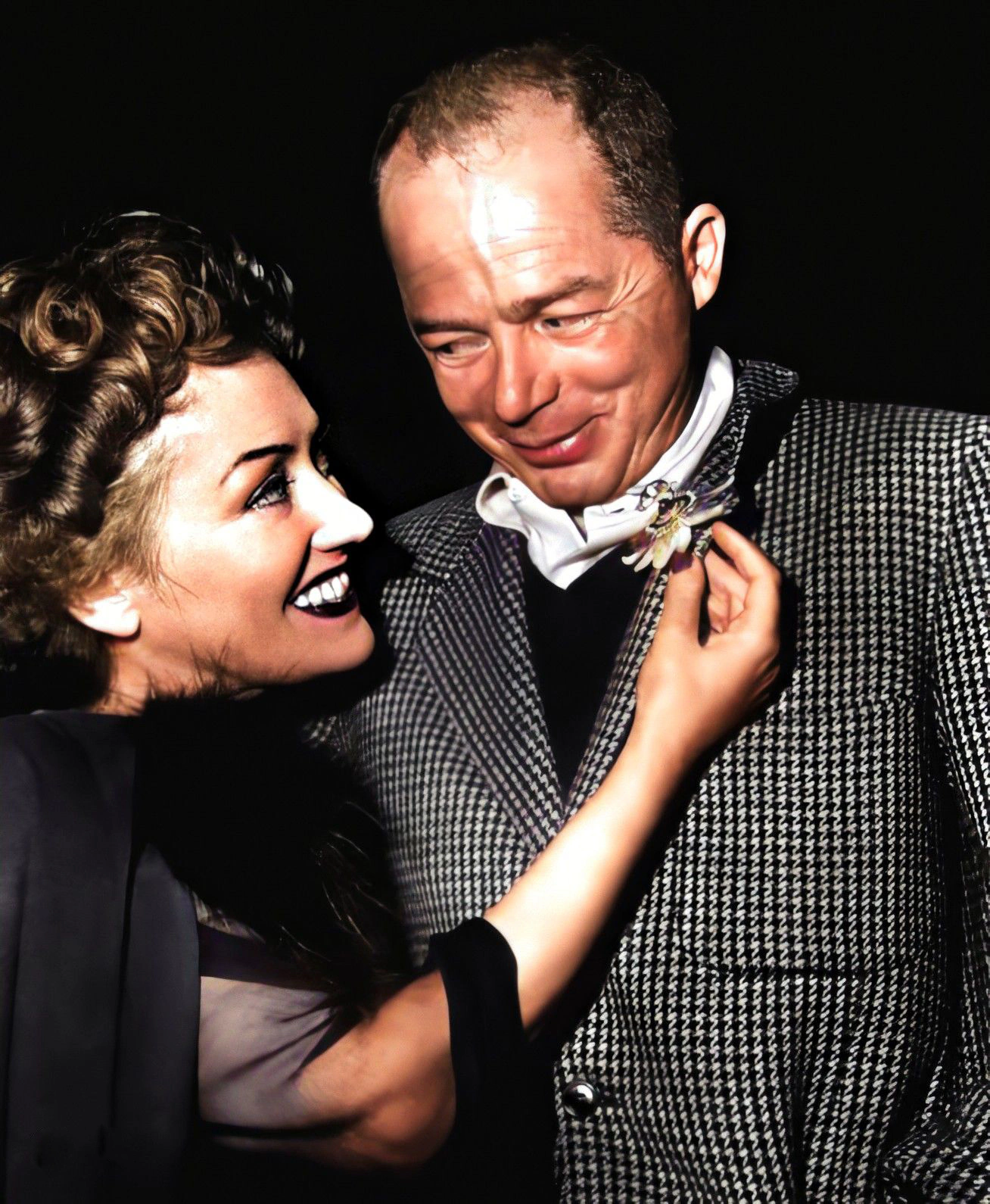
| 26 Quotes | |
| Occup. | Director |
| From | USA |
| Born | June 22, 1906 |
| Died | March 27, 2002 |
| Aged | 95 years |
| Cite | |
Citation Formats
APA Style (7th ed.)
Billy wilder biography, facts and quotes. (2026, February 11). FixQuotes. https://fixquotes.com/authors/billy-wilder/
Chicago Style
"Billy Wilder biography, facts and quotes." FixQuotes. February 11, 2026. https://fixquotes.com/authors/billy-wilder/.
MLA Style (9th ed.)
"Billy Wilder biography, facts and quotes." FixQuotes, 11 Feb. 2026, https://fixquotes.com/authors/billy-wilder/. Accessed 1 Apr. 2026.
Early Life and Background
Billy Wilder was born Samuel Wilder on June 22, 1906, in Sucha (then Austria-Hungary, later Poland), into a Jewish family whose fortunes rose and fell with the region's political churn. His father, Max Wilder, ran businesses tied to the railways and small trade; his mother, Eugenia (Balia), was ambitious for her son and attuned to the modern city as an engine of reinvention. The borderland atmosphere - multiple languages, shifting authorities, public life edged with insecurity - became a template for Wilder's later fascination with masks, bargains, and the thin line between respectability and desperation.He came of age in the shadow of World War I and the collapse of an empire, absorbing the brittle glamour of Vienna and the harsher arithmetic of survival. Wilder would later become an American citizen and is often claimed as a quintessential Hollywood director, yet his sensibility was forged by European dislocation: the knowledge that a life can be re-scripted overnight, and that comedy is often the most bearable form of truth when institutions fail.
Education and Formative Influences
Wilder studied in Vienna but was pulled more strongly by journalism than by formal credentials, learning speed, structure, and the value of the telling detail. In the 1920s he worked in Vienna and Berlin as a reporter and then as a screenwriter, entering the Weimar film world that mixed cynicism with formal brilliance. Berlin's nightlife, tabloid energy, and the emerging language of sound cinema trained him to write with a reporter's ear and an editor's ruthlessness - lessons sharpened by the political catastrophe of Nazism, which forced him to flee Europe in 1933, first to Paris and then to the United States.Career, Major Works, and Turning Points
In Hollywood, Wilder clawed his way from émigre writer to major director, co-writing Ninotchka (1939) and scripting the noir-tinged Ball of Fire (1941) before directing Double Indemnity (1944), the hard-edged breakthrough that fused fatalism with sexual electricity. With The Lost Weekend (1945) he brought alcoholism into the mainstream with unsparing clarity, then widened his range: Sunset Blvd. (1950) anatomized Hollywood's self-mythology; Stalag 17 (1953) converted wartime confinement into a moral pressure cooker; Sabrina (1954) refined romantic comedy; Some Like It Hot (1959) married farce to anarchy; The Apartment (1960) turned corporate America into an intimate tragedy-comedy and won him Oscars for producing, directing, and writing. His long partnership with writer I.A.L. Diamond crystallized his late style - razor clean, plot-driven, morally alert - even as later films like Kiss Me, Stupid (1964), The Fortune Cookie (1966), and Avanti! (1972) tested an audience that was changing faster than his classical method.Philosophy, Style, and Themes
Wilder's art is built on the conviction that entertainment is a delivery system for unpleasant realities. “If you're going to tell people the truth, be funny or they'll kill you”. That was not a slogan but a survival strategy: a refugee's understanding of how quickly a crowd turns, and a professional's understanding that laughter disarms defenses. His best films are moral arguments disguised as tight mechanisms - insurance scams, weekend benders, showbiz comebacks, office affairs - where every joke advances the trap and every scene clicks like a lock. He believed clarity was not the enemy of depth; it was the only way to make depth land. “Don't be too clever for an audience. Make it obvious. Make the subtleties obvious also”. The line captures his discipline: no indulgent obscurity, no wasted motion, just the hard labor of making meaning readable.Psychologically, Wilder oscillated between tenderness and contempt, and that tension gives his characters their bite. He distrusted sanctimony, including the kind that would turn an artist into a monument. “If there's anything I hate more than being taken seriously, it's being taken too seriously”. Underneath the quip is an ethic: seriousness must be earned through precision, not announced through solemnity. In Wilder's world, people barter dignity for security, then pretend they have not; they use romance as alibi and cynicism as armor. Yet he also grants them moments of grace - the compromised clerk who still reaches for decency, the aging star whose delusions are also her last refuge, the con man who briefly becomes the person he was impersonating. The comedy is bright, but the temperature is often cold, as if he were testing whether affection can survive clear-eyed appraisal.
Legacy and Influence
Wilder died on March 27, 2002, in Los Angeles, leaving a body of work that helped define American screenwriting and directing as crafts of architecture: setup, payoff, reversal, and the moral echo after the laugh. He remains a north star for filmmakers who want popular cinema without comforting lies, and for writers who study how a scene can be both efficient and devastating. His influence runs from film noir and the modern romantic comedy to the anti-hero tradition and the satirical portrait of institutions; his films endure because they are ruthless about how people rationalize themselves, and generous about how, sometimes, they still try to be better.Our collection contains 26 quotes written by Billy, under the main topics: Witty One-Liners - Motivational - Wisdom - Puns & Wordplay - Writing.
Other people related to Billy: Gloria Swanson (Actress), George Axelrod (Writer), Ernst Lubitsch (Director), Tyrone Power (Actor), Walter Matthau (Actor), Ray Milland (Actor), Tony Curtis (Actor), Arlene Francis (Entertainer)
Source / external links