
Bob Filner Biography Quotes 17 Report mistakes
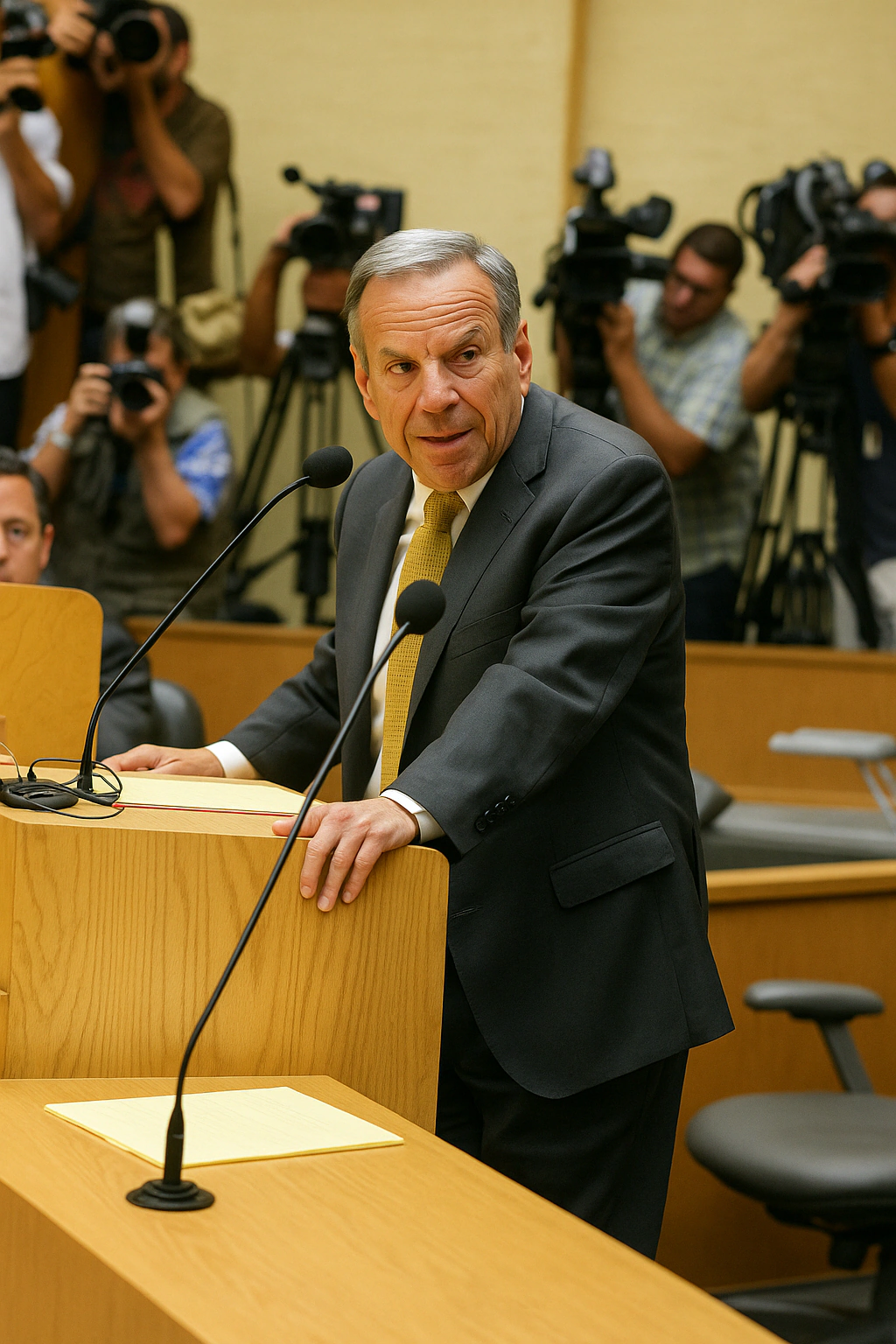
| 17 Quotes | |
| Born as | Robert Earl Filner |
| Occup. | Politician |
| From | USA |
| Spouses | Barbara Christy (divorced) Jane Merrill (div. 2011) |
| Born | September 4, 1942 Pittsburgh, Pennsylvania, United States |
| Died | April 20, 2025 Costa Mesa, California U.S. |
| Aged | 82 years |
| Cite | |
Citation Formats
APA Style (7th ed.)
Bob filner biography, facts and quotes. (2026, March 2). FixQuotes. https://fixquotes.com/authors/bob-filner/
Chicago Style
"Bob Filner biography, facts and quotes." FixQuotes. March 2, 2026. https://fixquotes.com/authors/bob-filner/.
MLA Style (9th ed.)
"Bob Filner biography, facts and quotes." FixQuotes, 2 Mar. 2026, https://fixquotes.com/authors/bob-filner/. Accessed 5 Mar. 2026.
Early Life and Background
Robert Earl "Bob" Filner was born on September 4, 1942, in Pittsburgh, Pennsylvania, into a postwar America where prosperity and anxiety traveled together - suburban expansion alongside Cold War drills. He came of age as television standardized national politics and as the civil rights movement forced moral questions into living rooms. That backdrop mattered: Filner would later speak and legislate as if public policy were a form of ethical accounting, with government required to balance not only budgets but harms.
His family life was private compared with his public intensity, but the outline is clear: a bright, argumentative young man drawn to debate and, eventually, to the idea that institutions could be made to serve people who did not naturally have leverage. By the time his generation confronted Vietnam, the Great Society, and urban unrest, Filner absorbed the era's lessons in two directions at once - that protest could move history, and that only law and administration could lock gains in place.
Education and Formative Influences
Filner studied at Cornell University and went on to earn a doctorate in history at Harvard University, training that sharpened his instinct to treat politics as a contest over narratives as much as over votes. He then taught at San Diego State University, where the classroom - and the emerging scholarship on race, labor, and social movements - reinforced his belief that power could be mapped and therefore contested. The habits of an academic historian stayed with him: a taste for argument, a comfort with documents, and a tendency to press every claim toward a moral conclusion.
Career, Major Works, and Turning Points
Filner entered elected office in San Diego as a member of the City Council before serving in the U.S. House of Representatives from 1993 to 2013, representing a district that bridged military, immigrant, and working-class communities near the U.S.-Mexico border. In Congress he became best known for relentless advocacy for veterans - most visibly as chair of the House Veterans' Affairs Committee - and for a combative, prosecutorial style that treated oversight as a moral duty rather than a partisan performance. In 2012 he won the San Diego mayoralty, an achievement that culminated decades of local organizing and coalition politics, but his tenure collapsed in 2013 amid a cascade of sexual harassment allegations and his subsequent resignation, a personal and civic rupture that redefined how the public remembered him. He died on April 20, 2025.
Philosophy, Style, and Themes
Filner's inner political engine was indignation directed toward systems - bureaucracies that delayed benefits, corporations that shaped choices, officials who evaded accountability. In his rhetoric, government was not primarily a referee; it was an instrument that owed the vulnerable a return on their citizenship. That is why his comments often read like closing arguments. When he said, “We, as a Congress, have a moral obligation to bring justice to the families of these victims. Furthermore, as a society based on laws, we have a responsibility to ensure that criminals don't go unpunished”. , he was revealing a psychology that found disorder unbearable unless it could be translated into enforceable duty. Even his focus on gangs and violence carried a data-driven urgency - a sense that statistics were not abstractions but evidence of neglected neighborhoods.
His themes also included skepticism toward unfunded promises and performative reform. “We have seen that, in another unfunded mandate, the so-called No Child Left Behind Act, which created tougher standards, and we all support that, but Congress did not provide the money to attract and hire the best teachers”. The sentence captures his typical move: concede the ideal, then indict the mechanism. And beneath his policy talk ran an older moral memory of movement politics - the conviction that nonviolence and persistence could shame institutions into change. “Rosa Parks' courage, determination, and tenacity continue to be an inspiration to all those committed to non-violent protest and change nearly half a century later”. For Filner, that inspiration was less nostalgia than a measuring stick: if ordinary people could risk their safety for justice, then officeholders had no excuse for timidity.
Legacy and Influence
Filner's legacy is inseparable from contradiction: a legislator whose work improved lives, especially for veterans navigating an often-failing system, and a mayor whose misconduct allegations triggered a swift political downfall and a broader reckoning in San Diego about workplace power and civic trust. In the long view, he represents a type forged in late-20th-century Democratic politics - the activist-bureaucrat hybrid, fluent in both protest ethics and committee mechanics - and his life remains a cautionary study in how public purpose can coexist with private boundary-breaking, with the latter capable of eclipsing the former in memory.
Our collection contains 17 quotes written by Bob, under the main topics: Justice - Learning - Parenting - Health - Peace.
Frequently Asked Questions
- Adam Filner: His son.
- Erin Filner: His daughter.
- How old was Bob Filner? He became 82 years old
Source / external links