
Bob Kane Biography Quotes 21 Report mistakes
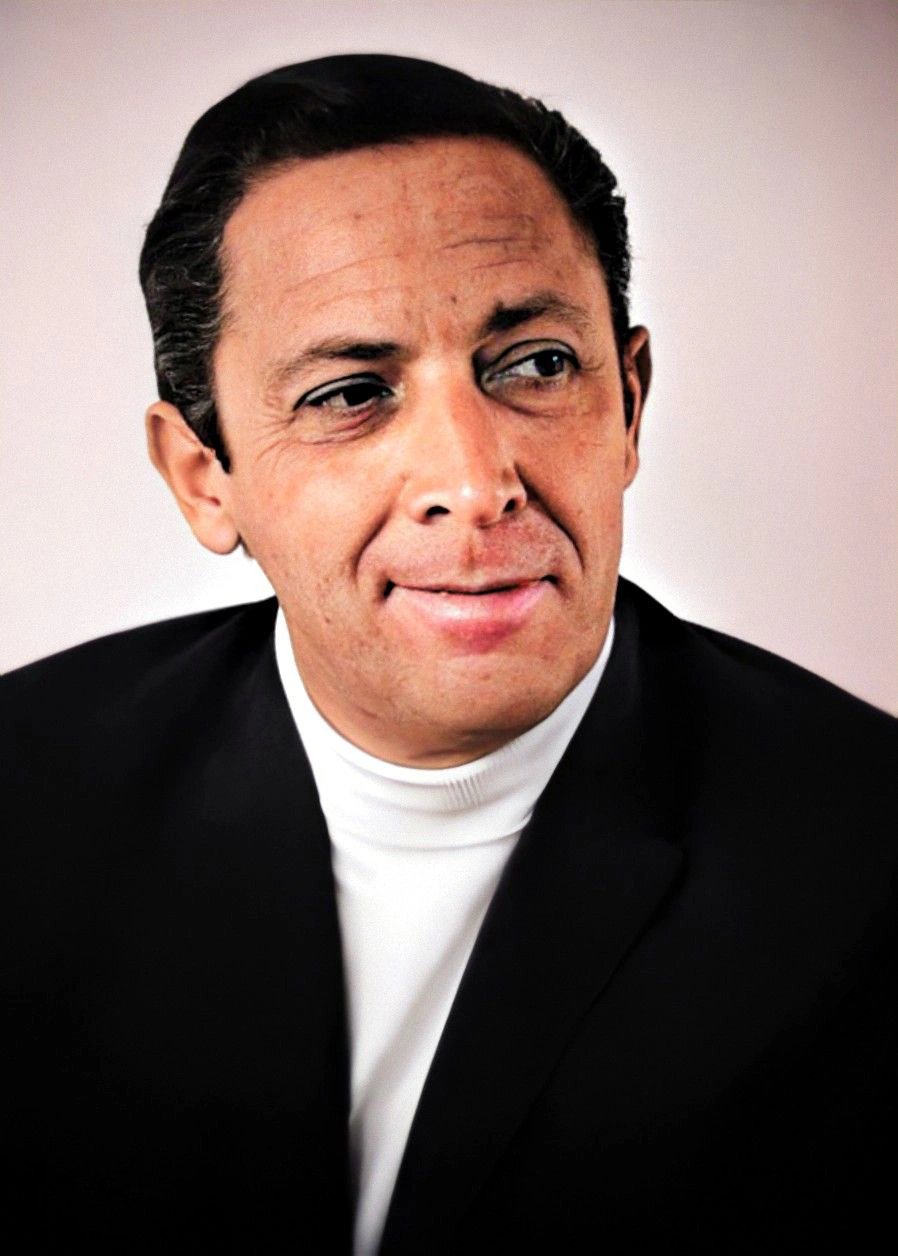
| 21 Quotes | |
| Born as | Robert Kahn |
| Occup. | Artist |
| From | USA |
| Born | October 24, 1916 New York City, New York, USA |
| Died | November 3, 1998 Los Angeles, California, USA |
| Cause | Natural causes |
| Aged | 82 years |
| Cite | |
Citation Formats
APA Style (7th ed.)
Bob kane biography, facts and quotes. (2026, February 11). FixQuotes. https://fixquotes.com/authors/bob-kane/
Chicago Style
"Bob Kane biography, facts and quotes." FixQuotes. February 11, 2026. https://fixquotes.com/authors/bob-kane/.
MLA Style (9th ed.)
"Bob Kane biography, facts and quotes." FixQuotes, 11 Feb. 2026, https://fixquotes.com/authors/bob-kane/. Accessed 28 Mar. 2026.
Early Life and Background
Bob Kane was born Robert Kahn on October 24, 1916, in New York City, the child of Eastern European Jewish immigrants in a metropolis that was also the capital of American mass culture. He grew up in the interwar city of nickelodeons, newspaper comics, and tinny radios - an environment where a visually quick mind could turn pulp thrills into a livelihood. The boy who drew constantly was also absorbing the coded anxieties of the era: Prohibition violence, the spectacle of the Depression, and the fascination with masked avengers and streamlined machines.By his teens, Kahn was already oriented toward the commercial art world rather than gallery life. He moved easily between gag-cartoon humor and the darker chiaroscuro of adventure strips, a flexibility that would later help him sell editors on a new kind of costumed detective. He began using the professional name "Bob Kane" as he entered publishing - a pragmatic act of branding and assimilation typical of the period, and one that would later become entangled with questions of authorship and credit.
Education and Formative Influences
Kane attended DeWitt Clinton High School in the Bronx, a fertile pipeline for New York cartoonists, and studied at the Art Students League of New York, where figure drawing and composition met the assembly-line realities of illustration. He learned in the shadow of Hal Foster, Alex Raymond, Milton Caniff, and the cinematic German Expressionist look that popular artists borrowed for night streets and hard shadows; he also watched the new superhero business explode after Superman in 1938, as editors hunted for fresh icons with instantly legible silhouettes.Career, Major Works, and Turning Points
After early work in animation and comic packaging, Kane sold features to National Allied Publications (later DC). In 1939, amid the industry's Superman-fueled boom, he delivered the concept that became Batman, debuting in Detective Comics #27 (May 1939); he partnered closely with writer Bill Finger, whose contributions to the character and world - from tone and tropes to key elements of identity and supporting cast - became central to later historical reassessments. Kane remained the public "creator" credited on the strip for decades, overseeing a studio system as Batman expanded into a franchise: the introduction of Robin (1940), landmark villains like the Joker and Catwoman, and the character's postwar shifts from noir menace to brighter adventure and back again. In later years he pursued painting and public appearances, benefitting from Batman's global resurgence and the high-stakes mythology that gathered around the character's origins.Philosophy, Style, and Themes
Kane understood superheroes as industrial art - images designed to reproduce, circulate, and lodge in memory. His ideal was the bold, emblematic figure against graphic darkness, a synthesis of pulp crime, cinematic lighting, and the clean readability of newspaper strips. Even when the work was collaborative, he framed the early years as a feat of solitary craftsmanship: “In the Golden Age of Batman, I penciled, inked, and lettered my strip by myself”. The insistence functions psychologically as self-authentication - a defense against the way comics production blurred labor into teams, studios, and anonymous hands, leaving fame to the signature.That fixation on signature and ownership shaped how Kane narrated Batman's creation and his own place in 20th-century pop history. “If Bill Finger created Batman, where is Bill Finger's byline on my strip? It is conspicuous by its absence”. The line reveals an era when legal credit, not creative process, defined legitimacy - and it shows Kane's reliance on the published record as a moral shield, even as later scholarship and industry testimony emphasized Finger's decisive role. Kane also carried a showman's sense of rivalry and timing, positioning Batman as a modern myth that predated other sleek heroes: “I created Batman about 10 years before Ian Fleming created James Bond”. Beneath the boast is a real artist's fear of being reduced to a corporate logo; his talk of precedence and primacy is the language of someone trying to keep authorship visible inside an empire of adaptation.
Legacy and Influence
Kane died on November 3, 1998, in the United States, having lived long enough to see Batman become a transmedia symbol - comic, television, film, merchandising, and urban folklore. Historically, his legacy is twofold: he helped codify the superhero as nocturnal detective - a design-and-concept achievement that changed the medium's visual grammar - and he became a case study in the politics of credit, contracts, and collaborative creation. The modern Batman is inseparable from Kane's early imagery and salesmanship, yet the fuller story also elevated long-neglected partners, especially Bill Finger; that tension, and the industry reforms it helped provoke, is part of Kane's enduring influence on how pop culture remembers who makes its legends.Our collection contains 21 quotes written by Bob, under the main topics: Witty One-Liners - Truth - Art - Writing - Leadership.
Other people related to Bob: Will Eisner (Cartoonist)
Source / external links