
Booth Tarkington Biography Quotes 7 Report mistakes
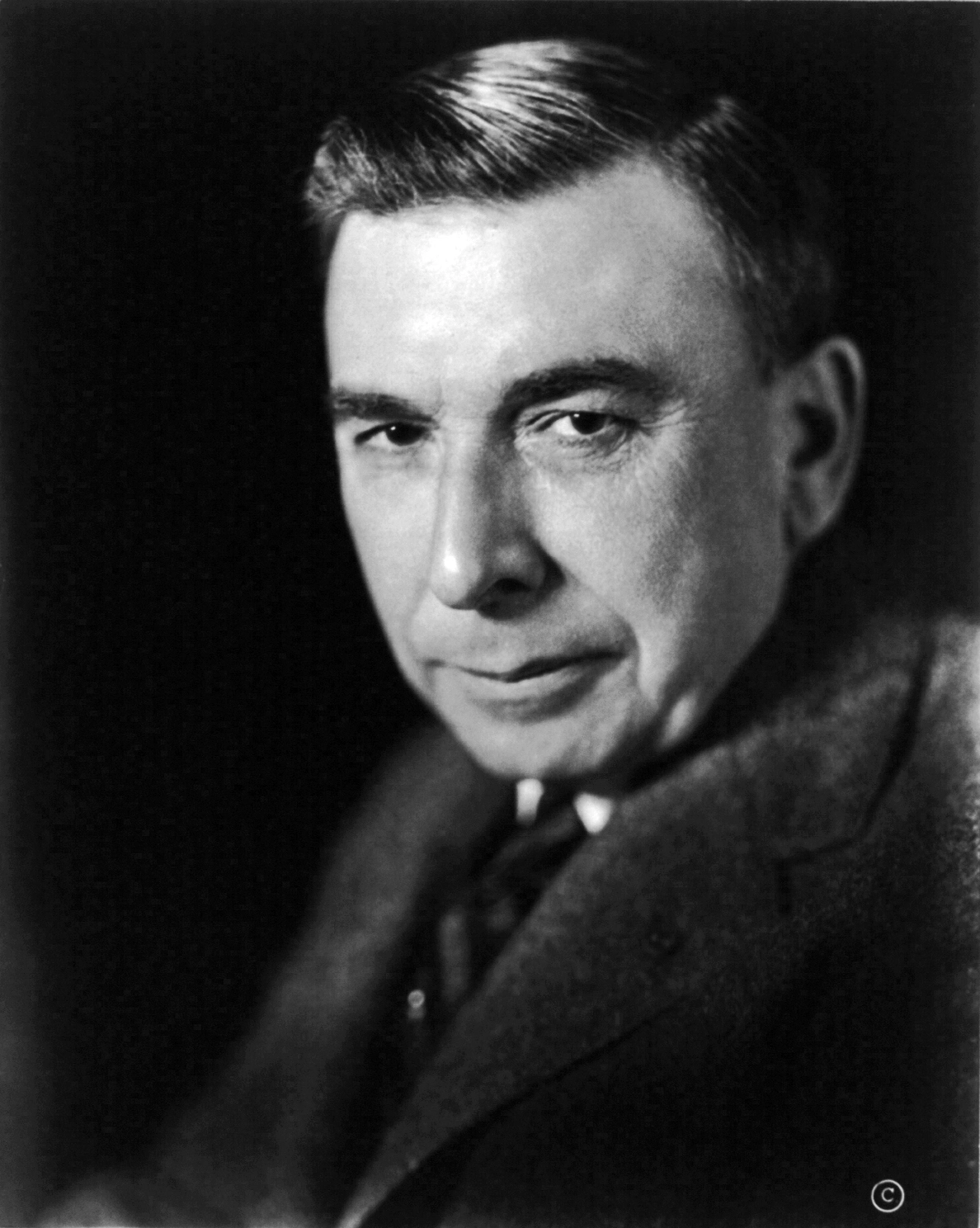
| 7 Quotes | |
| Born as | Newton Booth Tarkington |
| Occup. | Novelist |
| From | USA |
| Born | July 29, 1869 |
| Died | May 19, 1946 |
| Aged | 76 years |
| Cite | |
Citation Formats
APA Style (7th ed.)
Booth tarkington biography, facts and quotes. (2026, February 17). FixQuotes. https://fixquotes.com/authors/booth-tarkington/
Chicago Style
"Booth Tarkington biography, facts and quotes." FixQuotes. February 17, 2026. https://fixquotes.com/authors/booth-tarkington/.
MLA Style (9th ed.)
"Booth Tarkington biography, facts and quotes." FixQuotes, 17 Feb. 2026, https://fixquotes.com/authors/booth-tarkington/. Accessed 24 Mar. 2026.
Early Life and Background
Newton Booth Tarkington was born on July 29, 1869, in Indianapolis, Indiana, into a Midwestern world newly confident after the Civil War yet anxious about what industrial modernity would do to community and character. His family was politically visible - his uncle, Newton Booth, had been governor of California and a U.S. senator - and the young Tarkington absorbed a sense that public life was theater, governed by manners as much as by policy. Indianapolis in the 1870s and 1880s was expanding from a town into a city, and the frictions of that growth - money arriving faster than taste, aspiration outrunning tradition - would later become the emotional engine of his fiction.
A childhood accident left him with impaired eyesight, a private limitation that sharpened his reliance on memory, voice, and social observation. He became a dedicated watcher of people: how they tried to appear comfortable in rooms that intimidated them, how families protected their self-image, how jokes and gossip policed class boundaries. That early sensitivity to the social surface, and to the pain concealed beneath it, gave him a lifelong subject: the cost of "progress" measured in small humiliations and vanished neighborhoods.
Education and Formative Influences
Tarkington attended Purdue University, then transferred to Princeton University, where he moved easily into campus culture and drama, edited student publications, and helped shape the collegiate mythos of the 1890s. Although he did not complete a degree, Princeton gave him a durable professional network and a model of American gentility that was already becoming nostalgic even as he lived it. The era's popular realism, sentimental humor, and the new magazine market taught him that fiction could be both widely readable and socially diagnostic, and that the best American comedy often carried an ache of recognition.
Career, Major Works, and Turning Points
After early success with the Princeton novel "The Gentleman from Indiana" (1899), Tarkington became one of the most widely read American novelists of the early 20th century, publishing steadily in magazines and in book form with a craftsman's sense of pacing and scene. He served in the Indiana House of Representatives (1902-1903), an experience that deepened his feel for local power and the performance of respectability. His prime achievements were the Midwestern novels of status and change: "The Magnificent Ambersons" (1918), a tragic study of a once-grand family overtaken by the automobile age, and "Alice Adams" (1921), a social comedy of a young woman's hunger for refinement and security. Both won Pulitzer Prizes, securing his reputation as a chronicler of the American middle and upper middle class in transition; later, film and stage adaptations broadened his audience even as literary fashion shifted toward harsher modernism.
Philosophy, Style, and Themes
Tarkington wrote with an affectionate but unsparing eye for the rituals by which Americans tried to certify themselves - accent, furniture, club membership, a daughter's "good" marriage - and for the quiet cruelty that could hide inside good manners. His comedy often works like a moral X-ray: characters learn that argument rarely converts, and that pride can masquerade as principle. “Arguments only confirm people in their own opinions”. That sentence is less a throwaway witticism than a key to his psychology as a novelist: he trusted observation over polemic, preferred the slow revelation of behavior to the triumph of rhetoric, and treated self-justification as the most reliable human resource.
At his best, he made nostalgia intellectually active rather than merely wistful, asking what, exactly, had been lost when streets widened and fortunes multiplied. He understood happiness as a fragile possession, something that proves itself only by being vulnerable to time. “So long as we can lose any happiness, we possess some”. Yet he also offered an ethic of consolation - not denial of decline, but preparation for it through memory and gratitude. “Cherish all your happy moments; they make a fine cushion for old age”. The combination defines his tone: elegiac without nihilism, socially skeptical without contempt, a writer who could criticize the American chase for novelty while still believing in decency as a lived practice.
Legacy and Influence
Tarkington died on May 19, 1946, in Indianapolis, having witnessed the United States move from horse-drawn streets to mass automobility, from Victorian assurance to Depression disillusion and wartime mobilization. His stature dipped after midcentury as critics favored experimental modernists, but his major novels endured as precise records of how modernization feels from inside a family, a neighborhood, and a conscience. "The Magnificent Ambersons" remains a central American elegy for a vanishing social order, while "Alice Adams" continues to illuminate the intimate economics of aspiration. For historians of culture and for novelists interested in class performance, regional change, and the moral weather of ordinary lives, Tarkington still offers a model of how to make social comedy carry the weight of history.
Our collection contains 7 quotes written by Booth, under the main topics: Witty One-Liners - Reason & Logic - Happiness - Husband & Wife - Relationship.
Booth Tarkington Famous Works
- 1921 Alice Adams (Novel)
- 1918 The Magnificent Ambersons (Novel)
- 1916 Seventeen (Novel)
- 1914 Penrod (Novel)
- 1899 The Gentleman from Indiana (Novel)
Source / external links