
Boyle Roche Biography Quotes 13 Report mistakes
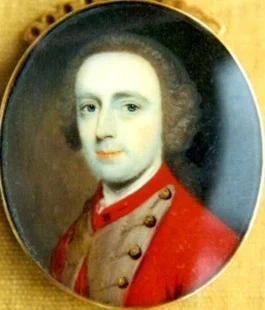
| 13 Quotes | |
| Born as | Sir Boyle Roche, 1st Baronet |
| Occup. | Politician |
| From | Ireland |
| Born | October 1, 1736 Ireland |
| Died | June 5, 1807 Ireland |
| Aged | 70 years |
| Cite | |
Citation Formats
APA Style (7th ed.)
Boyle roche biography, facts and quotes. (2026, February 11). FixQuotes. https://fixquotes.com/authors/boyle-roche/
Chicago Style
"Boyle Roche biography, facts and quotes." FixQuotes. February 11, 2026. https://fixquotes.com/authors/boyle-roche/.
MLA Style (9th ed.)
"Boyle Roche biography, facts and quotes." FixQuotes, 11 Feb. 2026, https://fixquotes.com/authors/boyle-roche/. Accessed 31 Mar. 2026.
Early Life and Background
Boyle Roche was born in Ireland on October 1, 1736, into the anxious middle world of Anglo-Irish politics, where allegiance to the Protestant Ascendancy promised advancement but demanded performance. Little about his childhood is securely documented, and that very absence has helped turn him into a figure made as much from reputation as from record - a man remembered less for private diaries than for public speech, social maneuvering, and the theater of Parliament.
He came of age as Dublin and London tightened their grip on Irish life: penal laws still defined power, patronage determined careers, and the Irish House of Commons functioned under constraints that made rhetoric both weapon and escape hatch. Roche learned early that survival meant reading rooms, not just issues - mastering the quick turn of phrase that could flatter a superior, defuse an insult, or transmute confusion into charm.
Education and Formative Influences
No definitive educational track can be stated with confidence, but Roche was unmistakably trained by the informal curriculum of eighteenth-century public life: clubs, dinners, barracks gossip, and the fierce tutorial of debate. His later identity suggests a man formed by performance culture - the comic stage, the pamphlet wars, and the obsession with "wit" that rewarded speed over precision - and by the hard practicalities of patronage in Ireland, where one misjudged patron could end a career and one well-timed loyalty could make it.
Career, Major Works, and Turning Points
Roche built his name as a politician in the Irish Parliament, where he became a loyal government supporter and a conspicuous speaker, eventually receiving a baronetcy as Sir Boyle Roche, 1st Baronet. His public life unfolded amid the long argument over Ireland's constitutional position, Catholic relief, and the pressures that culminated in the 1790s crisis and the 1798 rebellion. Roche did not leave "major works" in the literary sense; his legacy is instead an oral one - speeches, reported sayings, and the remembered cadence of a man who treated politics as a contact sport of words, thriving in the House as a recognizable character who could be mocked and still be courted.
Philosophy, Style, and Themes
Roche's enduring persona is built on his so-called "bulls" - statements that collide with themselves and yet land as social truth. They were not merely mistakes; they were a political style adapted to an audience that prized quick confidence over analytic clarity. His humor often masked a deeper, defensive realism: in a world where reputations were manufactured weekly, language had to outpace scrutiny. “Half the lies our opponents tell about us are untrue”. The line is funny because it is illogical, but it is also accurate about the psychology of partisan combat: he treats deception as the normal weather of politics and insists, by bravado, that his side still owns a portion of reality.
His rhetoric also reveals a man trapped between attachment to British power and an Irish identity that could not be wished away. “Ireland and England are like two sisters; I would have them embrace like one brother”. The odd family metaphor betrays the strain of imagining union without erasure: he reaches for harmony but cannot keep the categories straight, as if the language itself resists the settlement. That same impulse - to resolve danger by rushing it - appears in his appetite for theatrical courage: “The best way to avoid danger is to meet it plump”. Behind the joke is a temperament suited to high-pressure rooms, where audacity could substitute for certainty and where a man might survive by turning exposure into entertainment.
Legacy and Influence
Roche died on June 5, 1807, after living through the era that ended the independent Irish Parliament and recast Irish politics inside the United Kingdom. He remains less a policy architect than a symbol of how politics sounds from the inside: hurried, contradictory, improvised, and yet strangely revealing. Later generations used "Irish bulls" as lazy stereotypes, but Roche's best lines endure because they expose a permanent feature of public life - that power often speaks in paradox, and that a gifted performer can turn verbal instability into authority, or at least into unforgettable presence.
Our collection contains 13 quotes written by Boyle, under the main topics: Witty One-Liners - Wisdom - Freedom - Faith - Tough Times.
Source / external links