
Brené Brown Biography Quotes 10 Report mistakes
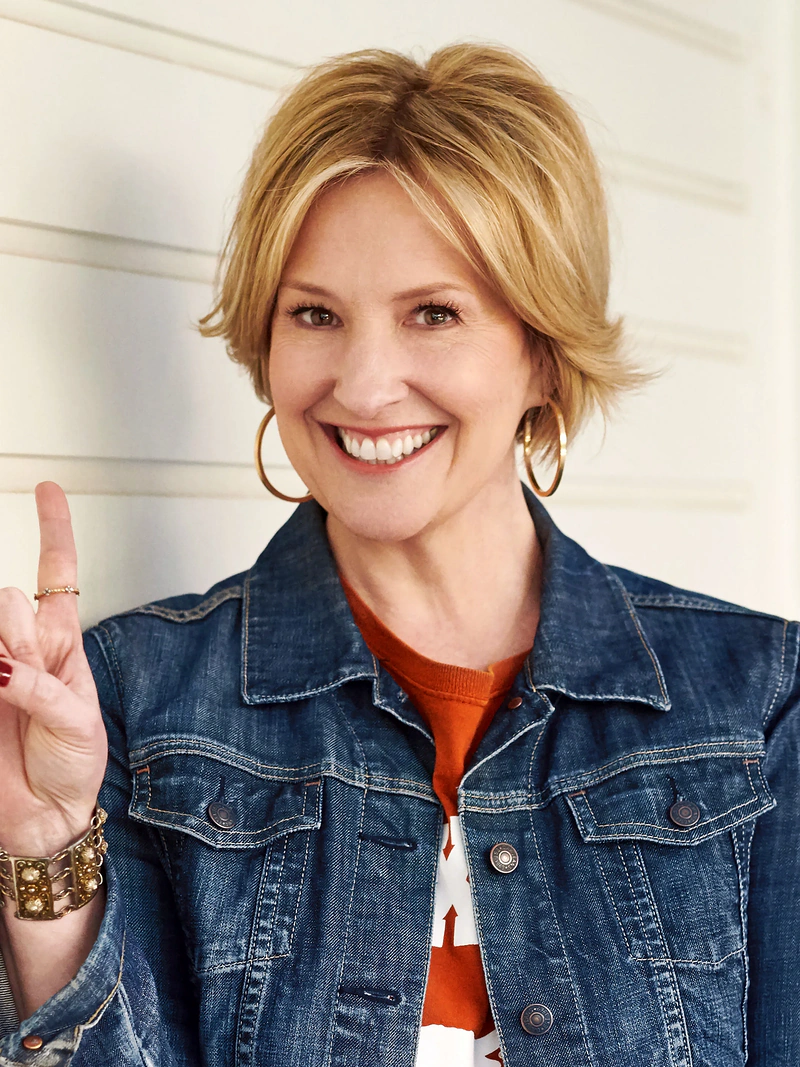
| 10 Quotes | |
| Occup. | Author |
| From | USA |
| Born | November 18, 1965 San Antonio, Texas |
| Age | 60 years |
| Cite | |
Citation Formats
APA Style (7th ed.)
Brené brown biography, facts and quotes. (2026, February 11). FixQuotes. https://fixquotes.com/authors/brene-brown/
Chicago Style
"Brené Brown biography, facts and quotes." FixQuotes. February 11, 2026. https://fixquotes.com/authors/brene-brown/.
MLA Style (9th ed.)
"Brené Brown biography, facts and quotes." FixQuotes, 11 Feb. 2026, https://fixquotes.com/authors/brene-brown/. Accessed 6 Mar. 2026.
Early Life and Background
Brene Brown was born on November 18, 1965, in San Antonio, Texas, into a large Catholic family whose rhythms of church, school, and community were shadowed by the quiet codes of respectability typical of mid-to-late 20th-century middle-class America. She has described her early years as shaped by belonging and by the ache of not belonging - the social hierarchies of adolescence, the moral expectations of her surroundings, and the early lessons that image can be used as armor. Those tensions later became the emotional raw material for a career spent naming the invisible forces that govern how people show up with one another.In the broader context of her generation, Brown came of age as therapy culture entered the mainstream, as the language of self-esteem rose in schools, and as women navigated expanding professional horizons alongside stubborn gender scripts. That era offered both new permission to speak about feelings and new pressures to curate the self. Brown's eventual work would read as a field report from inside that contradiction: a culture longing for authenticity while rewarding performance, and a private life where the fear of judgment could feel more organizing than faith or desire.
Education and Formative Influences
Brown trained as a social worker and researcher, earning degrees that grounded her in practice as well as scholarship, culminating in a PhD in social work from the University of Houston. The discipline's insistence on systems - family, community, institutions - helped her see shame not as a private flaw but as a social phenomenon with predictable triggers and consequences. In graduate study and early clinical encounters, she began tracing the patterns by which people protect themselves from pain: the stories they tell, the roles they adopt, the silence they keep, and the identities they narrow to remain acceptable.Career, Major Works, and Turning Points
At the University of Houston, Brown became known for research on shame, vulnerability, courage, and empathy, translating qualitative findings into a public language that did not dilute their complexity. Her 2010 TEDxHouston talk, later popularized as "The Power of Vulnerability", became a cultural hinge point, expanding her audience far beyond academia and turning her into a leading voice in what businesses, schools, and families began calling "wholehearted" living. Books such as "The Gifts of Imperfection" (2010), "Daring Greatly" (2012), "Rising Strong" (2015), "Braving the Wilderness" (2017), and "Dare to Lead" (2018) built a coherent arc: from self-acceptance to relational courage to leadership. In the late 2010s and early 2020s she extended her reach through filmed lectures and the podcast "Unlocking Us" and "Dare to Lead", addressing a society fractured by polarization, digital life, and pandemic-era loneliness, while insisting that emotional skill is not softness but literacy.Philosophy, Style, and Themes
Brown's signature move is to treat emotions as data with moral stakes. She argues that shame thrives in secrecy and that culture supplies scripts - perfectionism, hustle, cynicism - that appear protective while quietly isolating. Her language is direct, vernacular, and research-forward, often built from interview fragments and recurring metaphors (armor, arenas, stories, rumbling) that make interior life discussable in public. At root is a psychological realism: she does not promise that fear disappears, only that it can be met with practices that return a person to values, relationships, and agency.Her most quoted lines reveal the inner logic of her project. “Vulnerability is not winning or losing; it's having the courage to show up and be seen when we have no control over the outcome”. The sentence doubles as self-diagnosis and method: it reframes exposure as strength, and it suggests that Brown's own orientation is toward the disciplined acceptance of uncertainty rather than the fantasy of control. Likewise, “Perfectionism is not the same thing as striving to be our best... It's a shield”. In her work, the shield is not villainized as vanity but understood as an adaptive response to shame, one that becomes costly when it blocks intimacy, creativity, and moral risk. And behind these ideas sits her central anthropology: “Connection is why we're here. We are hardwired to connect with others, it's what gives purpose and meaning to our lives, and without it, there is suffering”. That claim makes her books less self-help than civic argument - a defense of relational life as the foundation for resilient communities.
Legacy and Influence
Brown helped normalize a vocabulary - vulnerability, shame resilience, wholeheartedness, brave leadership - that now circulates through corporate training, classrooms, counseling offices, and everyday speech. She also drew criticism from some academics and commentators for the pop reach of her work and for the risks of turning complex social pain into individual practice; yet her enduring impact lies in making emotional rigor legible to millions and insisting that courage is as much interpersonal as it is heroic. In an era of performative identity and chronic comparison, Brown's influence endures because she names what people privately experience and offers a disciplined alternative: tell the truth, drop the armor, and build belonging through practiced empathy and brave, imperfect presence.Our collection contains 10 quotes written by Brené, under the main topics: Meaning of Life - Kindness - Mental Health - Confidence - Fear.
Brené Brown Famous Works
- 2018 Dare to Lead (Book)
- 2017 Braving the Wilderness (Book)
- 2015 Rising Strong (Book)
- 2012 Daring Greatly (Book)
- 2012 The Power of Vulnerability (Lecture/Video)
- 2010 The Gifts of Imperfection (Book)