
Brian Epstein Biography Quotes 5 Report mistakes
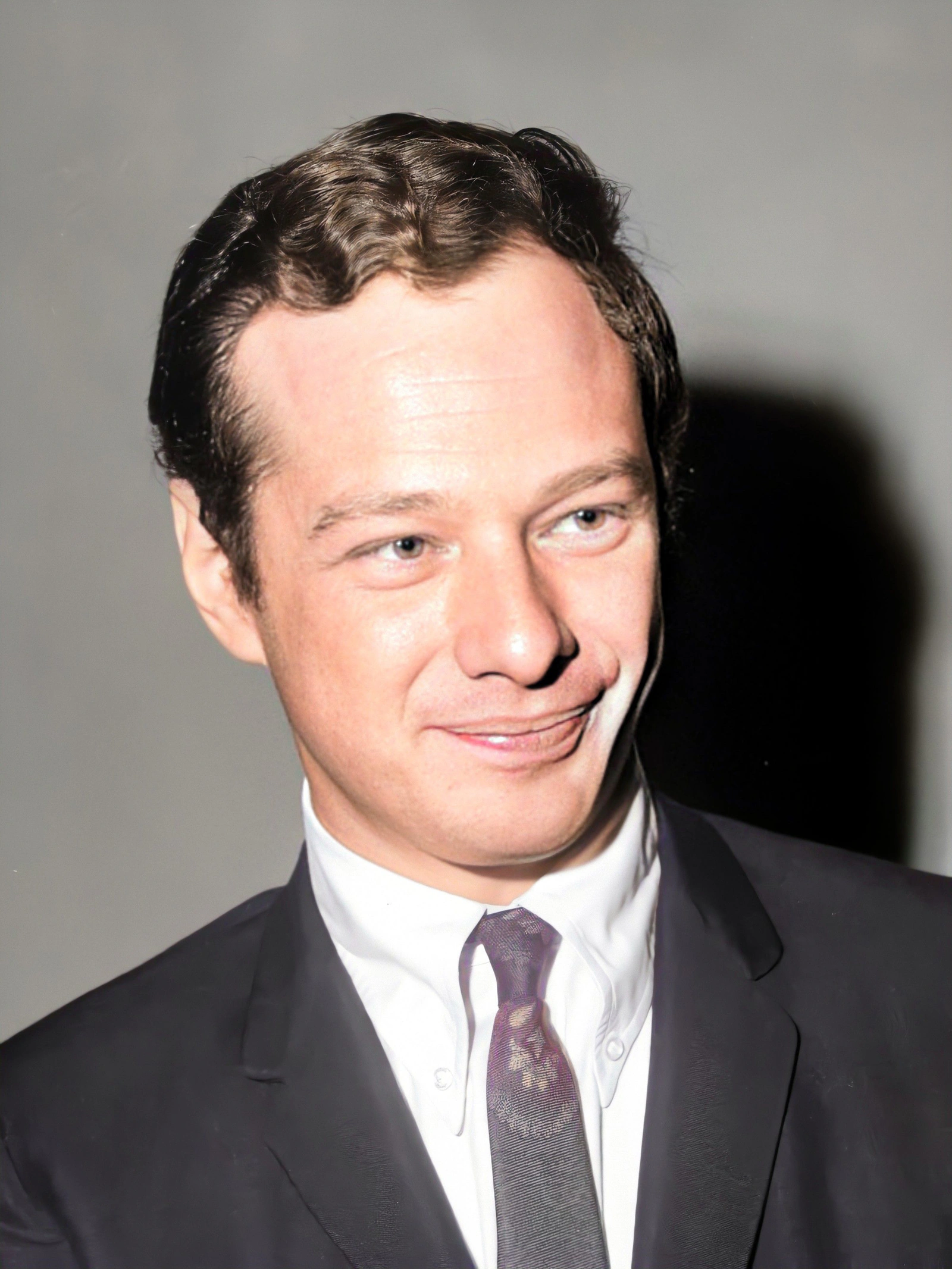
Attr: Joop van Bilsen / Anefo, CC0
| 5 Quotes | |
| Born as | Brian Samuel Epstein |
| Occup. | Businessman |
| From | United Kingdom |
| Born | September 19, 1934 Liverpool, England |
| Died | August 27, 1967 London, England |
| Aged | 32 years |
| Cite | |
Citation Formats
APA Style (7th ed.)
Brian epstein biography, facts and quotes. (2026, March 5). FixQuotes. https://fixquotes.com/authors/brian-epstein/
Chicago Style
"Brian Epstein biography, facts and quotes." FixQuotes. March 5, 2026. https://fixquotes.com/authors/brian-epstein/.
MLA Style (9th ed.)
"Brian Epstein biography, facts and quotes." FixQuotes, 5 Mar. 2026, https://fixquotes.com/authors/brian-epstein/. Accessed 25 Mar. 2026.
Early Life and Background
Brian Samuel Epstein was born on 19 September 1934 in Liverpool, England, into a prosperous Jewish family whose livelihood was tied to the citys postwar consumer boom. His parents, Harry and Malka "Queen" Epstein, built NEMS (North End Music Stores) into a prominent local retail business, and the young Epstein grew up amid ledgers, shop floors, and the rituals of selling taste to a changing public.Liverpool in Epsteins youth was both provincial and porous - a port city still marked by wartime austerity yet flooded with American records, fashions, and slang. Within that atmosphere he developed a fastidious sense of presentation and a hunger for escape that was complicated by being gay in a period when male homosexuality was criminalized in Britain; discretion became a life skill, and self-control a private burden that later shaped his managerial intensity and perfectionism.
Education and Formative Influences
Epstein attended Liverpool College and later spent time at the Royal Academy of Dramatic Art in London, an experience that sharpened his theatrical eye even if it did not yield an acting career. He also served briefly in the British Army, where discipline and hierarchy were unavoidable lessons. Returning to Liverpool, he was drawn back into the family firm and ultimately became manager of NEMS, where his instincts for merchandising, publicity, and the choreography of a customer experience turned retail into a kind of stagecraft.Career, Major Works, and Turning Points
In November 1961, after hearing mounting requests at NEMS for a record called "My Bonnie", Epstein went to the Cavern Club and saw the Beatles, then a raw club act with a fierce local following. He pursued them with methodical ambition, secured a management agreement in early 1962, and set about making them legible to the wider world: suits, synchronized bows, disciplined set lists, and relentless courting of gatekeepers. After producer and label rejections, he placed them with George Martin at EMI/Parlophone in 1962, then masterminded a national publicity onslaught that helped ignite Beatlemania in 1963 and, with the Sullivan appearance in 1964, a global pop reordering. Alongside the Beatles he managed other Liverpool acts, notably Gerry and the Pacemakers and Billy J. Kramer with the Dakotas, but the Beatles scale exposed both his genius and his limits - especially in contracts and publishing. In 1967, after the group ceased touring and began to drift toward self-management and countercultural experiment, Epstein died in London on 27 August from an accidental overdose, a sudden absence that left the Beatles without their stabilizing adult center.Philosophy, Style, and Themes
Epsteins managing style fused courtesy with control. He believed that talent needed framing - not to neuter it, but to translate it - and he treated image, punctuality, and politeness as tools of liberation rather than conformity. His approach began as a courtship with the band: “Well, then we got to know each other, and eventually worked out a bit of idea of management”. That sentence captures his psychology: management as intimacy-by-negotiation, a mutual invention that depended on trust and on his capacity to anticipate needs before they were spoken.His inner life carried a darker engine. Living under legal and social threat, he often moved through public rooms as a composed professional while privately wrestling with loneliness, insomnia, and dependence on stimulants and sedatives. The pressure multiplied once he was responsible for moving an unprecedented circus across borders, hotels, and arenas; he admitted the logistical dread plainly: “But I think traveling around and going around the world and making arrangements for moving around is the most difficult thing, 'cuz you don't know what's going to happen”. Beneath the pragmatism sat a stoic, almost fatalistic determination: “I am determined to go through the horror of this world”. In Epstein, polish was not superficiality - it was armor, a chosen elegance against chaos.
Legacy and Influence
Epstein professionalized British pop management at the exact moment youth culture became an export industry. He showed that a manager could be part publicist, part diplomat, part stage director - and that mass fame demanded systems: contracts, touring infrastructure, press relationships, and a coherent brand. His shortcomings in business detail became cautionary tales, but his larger achievement endures: he helped transform four working-class musicians into a global institution without extinguishing their identity, and his absence in 1967 is still read as a hinge in the Beatles story - the moment the worlds most famous band lost the person who made the world safe enough for them to conquer.Our collection contains 5 quotes written by Brian, under the main topics: Music - Resilience - Business - Management - Travel.
Other people related to Brian: Cilla Black (Musician), Richard Lester (Director)
Brian Epstein Famous Works
- 1964 A Cellarful of Noise (Autobiography)
Source / external links