
Brian Tracy Biography Quotes 35 Report mistakes
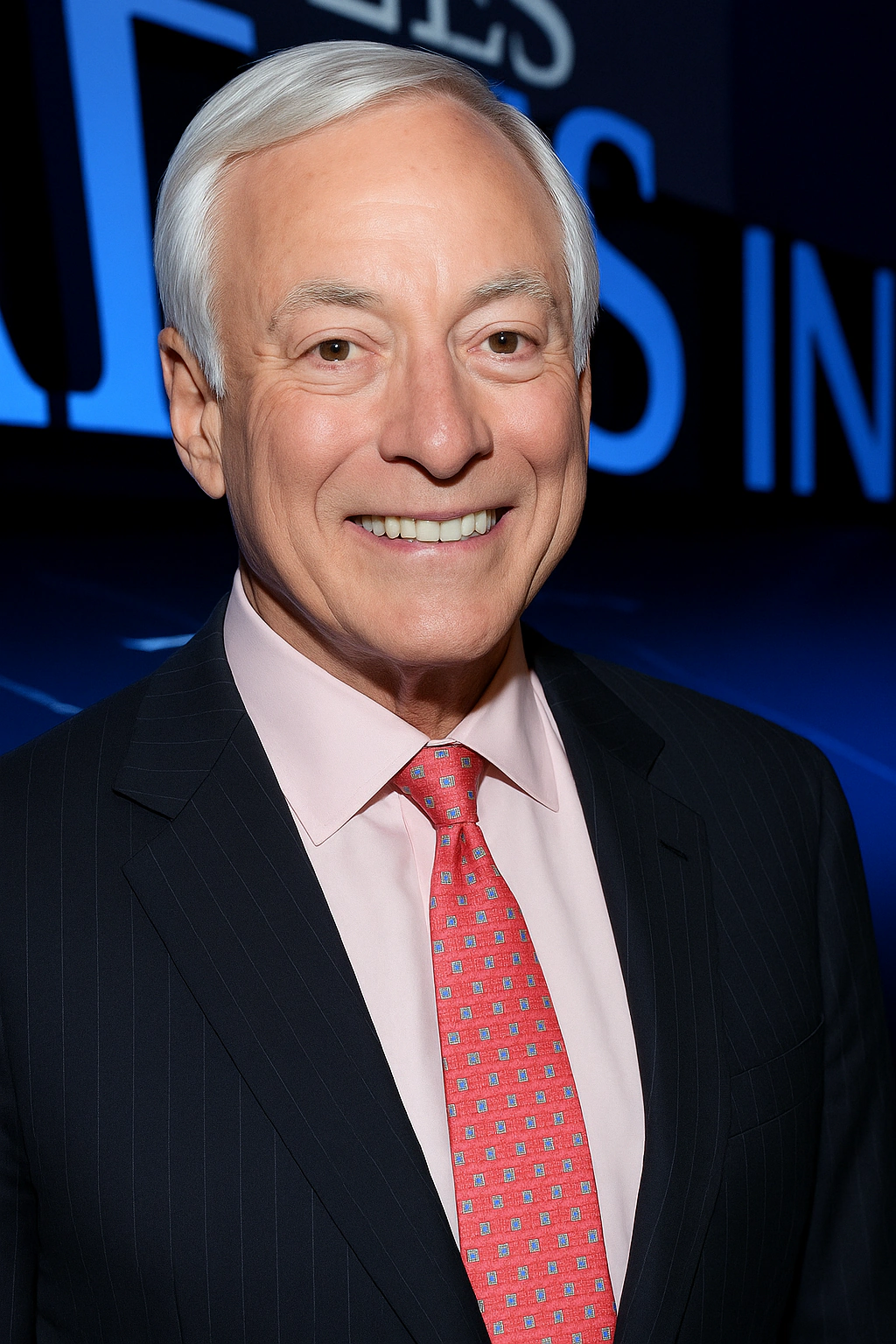
Attr: Daniel Wikberg
| 35 Quotes | |
| Occup. | Author |
| From | USA |
| Spouse | Barbara Tracy (1979) |
| Born | January 5, 1944 Charlottetown, Prince Edward Island, Canada |
| Age | 82 years |
| Cite | |
Citation Formats
APA Style (7th ed.)
Brian tracy biography, facts and quotes. (2026, February 15). FixQuotes. https://fixquotes.com/authors/brian-tracy/
Chicago Style
"Brian Tracy biography, facts and quotes." FixQuotes. February 15, 2026. https://fixquotes.com/authors/brian-tracy/.
MLA Style (9th ed.)
"Brian Tracy biography, facts and quotes." FixQuotes, 15 Feb. 2026, https://fixquotes.com/authors/brian-tracy/. Accessed 26 Mar. 2026.
Early Life and Background
Brian Tracy was born on January 5, 1944, in the United States, in the long postwar shadow of the Great Depression and the mobilizing optimism of mid-century North America. He came of age during a period when self-improvement rhetoric and mass-market business education were moving from the margins to the mainstream - an era of expanding suburbs, corporate career ladders, and the idea that personal discipline could translate into social mobility. That historical mood would later become the emotional engine of his work: a faith that deliberate effort, applied consistently, could change the trajectory of an ordinary life.His early adulthood was marked less by linear credentialing than by restlessness and self-directed reinvention. Tracy has described leaving formal schooling early and working a string of jobs before finding the world that would define him: sales. The psychology of that arena - rejection, repetition, performance under pressure, and the constant need to reset after failure - became his apprenticeship. The salesman's daily reckoning with fear and ambition would later reappear in his books as a disciplined, almost clinical approach to motivation: courage is not a trait you wait for, but a behavior you practice.
Education and Formative Influences
Tracy's education was largely self-constructed: intensive reading in psychology, business, and personal development, then pressure-testing ideas in the field. In the 1960s and 1970s, as behavioral psychology and management theory filtered into popular culture, he absorbed the era's language of goals, habits, and measurable performance. He also learned from mentors inside sales organizations and from the emerging ecosystem of seminars and audio programs that treated learning as a portable commodity - a model he would later master as an author and speaker.Career, Major Works, and Turning Points
By the 1970s and 1980s, Tracy had built a reputation as a sales trainer and business speaker, eventually founding Brian Tracy International, a training and consulting company focused on leadership, selling, and personal performance. His turning point was translating live instruction into repeatable media - audio courses, seminars, and then books - allowing his methods to scale beyond a room. Among his best-known works are "The Psychology of Achievement", "Maximum Achievement", "Eat That Frog!" and "No Excuses!" - titles that distilled a consistent program: clarify aims, prioritize the vital few actions, and execute with relentless follow-through. As the corporate world globalized and knowledge work accelerated, his promise stayed constant: in a volatile economy, the individual can still increase their value through skill acquisition, time control, and goal clarity.Philosophy, Style, and Themes
Tracy's philosophy centers on agency. His recurring claim is that the past is less important than the direction you choose next, a stance meant to dissolve shame and replace it with movement: “It doesn't matter where you are coming from. All that matters is where you are going”. Psychologically, this is both consolation and strategy. It reframes setbacks as information, not identity, and it also removes the excuse of biography - if the future is primary, then action is the only acceptable proof of seriousness. That emphasis mirrors the sales mindset that shaped him: each call is a new start, each day a reset.His style is blunt, procedural, and deliberately repeatable: write goals, break them into steps, schedule the steps, and do the hardest task first. Underneath the pragmatism is a theory of fear. He treats discomfort as the entry fee to competence, insisting that growth is inseparable from awkwardness: “Move out of your comfort zone. You can only grow if you are willing to feel awkward and uncomfortable when you try something new”. The inner life implied here is not romantic but managerial - a self that can be coached, trained, corrected. He also advances a social ethic suited to organizational life, arguing that performance cultures collapse without fairness and empathy: “Practice Golden-Rule 1 of Management in everything you do. Manage others the way you would like to be managed”. In Tracy's universe, character is not abstract; it is operational, expressed in how you run meetings, give feedback, and set expectations.
Legacy and Influence
Tracy became one of the most widely consumed voices in late-20th and early-21st-century personal productivity, helping define the modern genre of actionable self-help for professionals. His influence persists in the vocabulary of goals, prioritization, and time discipline that saturates workplaces and coaching programs, and in the idea that skill development is a lifelong hedge against uncertainty. Admirers credit his work with making ambition feel teachable; critics may find his systems demanding or overly individualistic. Yet his enduring mark is the same across decades of seminars and pages: a conviction that ordinary people can train themselves into extraordinary consistency, and that consistency - more than inspiration - is the real lever of change.Our collection contains 35 quotes written by Brian, under the main topics: Motivational - Knowledge - Parenting - Kindness - Overcoming Obstacles.
Frequently Asked Questions
- Brian Tracy movies: Primarily an author/speaker; no notable feature films, appears in seminars and self-help documentaries.
- What is Brian Tracy net worth? Estimates vary; commonly reported around $15-20 million (unverified).
- Brian Tracy books: Notable: Eat That Frog!, The Psychology of Selling, Goals!, No Excuses!, Maximum Achievement.
- Brian Tracy course free download: No official free downloads; use his website or authorized platforms for legal access (some free talks/resources available).
- How old is Brian Tracy? He is 82 years old
Source / external links