
Bruce Oldfield Biography Quotes 2 Report mistakes
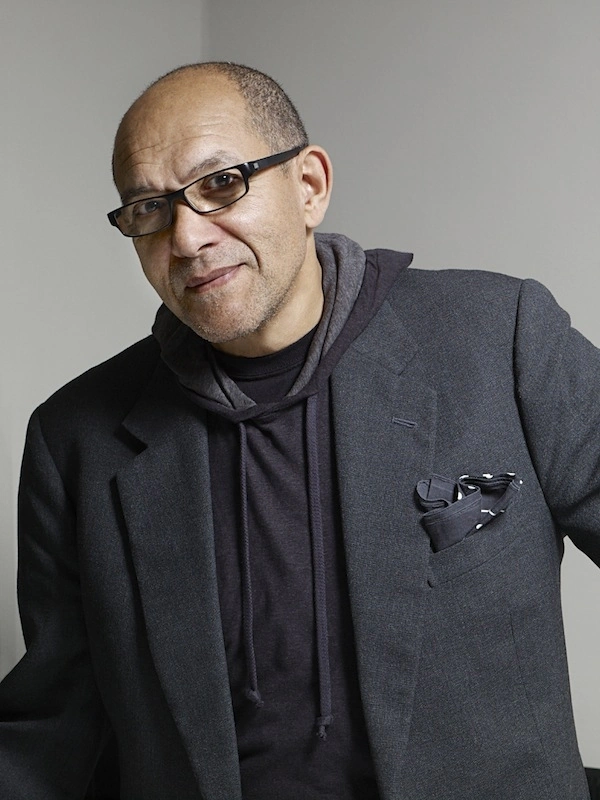
| 2 Quotes | |
| Occup. | Designer |
| From | United Kingdom |
| Born | July 14, 1950 London, England, United Kingdom |
| Age | 75 years |
| Cite | |
Citation Formats
APA Style (7th ed.)
Bruce oldfield biography, facts and quotes. (2026, February 11). FixQuotes. https://fixquotes.com/authors/bruce-oldfield/
Chicago Style
"Bruce Oldfield biography, facts and quotes." FixQuotes. February 11, 2026. https://fixquotes.com/authors/bruce-oldfield/.
MLA Style (9th ed.)
"Bruce Oldfield biography, facts and quotes." FixQuotes, 11 Feb. 2026, https://fixquotes.com/authors/bruce-oldfield/. Accessed 27 Mar. 2026.
Early Life and Background
Bruce Oldfield was born on July 14, 1950, in England, at a moment when British dressmaking still carried the afterglow of postwar austerity and the glamour of revival. He grew up with a temperament drawn to precision and to the quiet drama of clothing that changes how a person inhabits a room. Britain in his youth was a country remaking itself - from ration-era practicality to Swinging London experimentation - and that tension between discipline and display would remain a fault line in his work.Oldfield has often been described as a designer who understood the social meaning of dress as sharply as its cut: clothes as armor, as announcement, as a kind of negotiated identity. In an era when class codes were loosening but not disappearing, he was attentive to the rituals of formal life - weddings, investitures, galas - and to how public women were judged by silhouette and fabric in ways men rarely were.
Education and Formative Influences
He trained in fashion in Britain and entered the trade when London was both a creative laboratory and a hard school of deadlines, fittings, and cashflow. The formative influence was less a single mentor than the atelier discipline itself: pattern-cutting as engineering, couture finishing as ethics, and the idea that a garment is not complete until it works on a living body. He absorbed the British tradition of tailoring and the European idea of couture as service, with fittings that were as much conversation as measurement.Career, Major Works, and Turning Points
Oldfield built his reputation in the 1980s and early 1990s as a high-end occasionwear and couture designer, dressing society clients and public figures who required glamour without costume. His name became especially associated with the Princess of Wales, and with the larger ecosystem of royal-adjacent dressing where privacy, speed, and discretion were as valuable as taste. The turning point was becoming a trusted maker for women whose clothing was read as political and emotional evidence - a role that demanded not trend-chasing but a steady hand, immaculate construction, and the ability to translate personality into line, color, and movement.Philosophy, Style, and Themes
Oldfield's philosophy begins with skepticism toward fashion as a noisy, self-referential game. “I'm not that interested in fashion... When someone says that lime-green is the new black for this season, you just want to tell them to get a life”. Psychologically, that impatience signals a craftsman's defensiveness against volatility: he prefers durability of effect over novelty of slogan, and he treats a dress as a long-term relationship between wearer and world. The result is a style oriented to event dressing that photographs well but is built to be lived in - controlled silhouettes, considered necklines, an emphasis on fit that flatters without shouting.His most revealing theme is the garment as guardian of a private life inside public scrutiny. “The bump I was trying to hide could be the future king of England”. In that single line, humor shades into the burden of responsibility: a seam can become a historical actor, and a fitting room can feel like a confessional. Oldfield's work repeatedly returns to concealment and revelation - how to protect a body from commentary while still allowing radiance - and to the ethics of discretion in an industry that profits from exposure. Even when his dresses lean toward opulence, their logic is psychological: give the wearer control, give the eye a clear story, and never let the construction betray the person inside it.
Legacy and Influence
Oldfield's enduring influence lies in reinforcing a particular British ideal of couture as service: technically exacting, socially literate, and quietly pragmatic. He helped define the look of late-20th-century formal dressing in the UK, especially for women whose lives were conducted in flashbulbs and headlines, and he modeled a designer persona rooted in craft rather than hype. In a culture that cycles relentlessly, his career stands as evidence that authority can come from consistency - from treating clothing not as disposable trends, but as precision-made instruments for confidence, ceremony, and survival under observation.Our collection contains 2 quotes written by Bruce, under the main topics: Sarcastic - New Mom.
Source / external links