
Carly Patterson Biography Quotes 17 Report mistakes
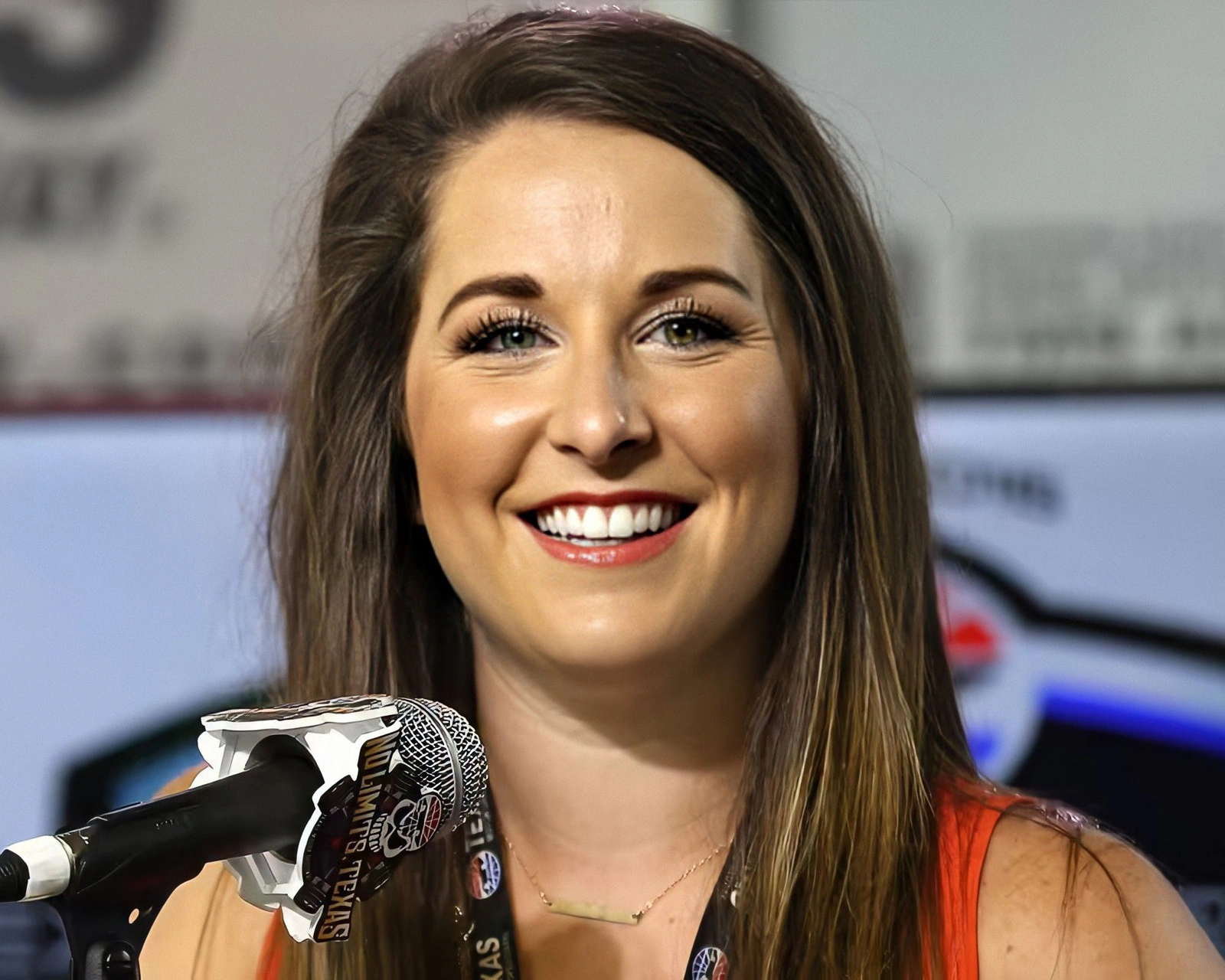
| 17 Quotes | |
| Born as | Carly Marie Patterson |
| Occup. | Athlete |
| From | USA |
| Born | February 4, 1988 Baton Rouge, Louisiana, USA |
| Age | 38 years |
| Cite | |
Citation Formats
APA Style (7th ed.)
Carly patterson biography, facts and quotes. (2026, February 11). FixQuotes. https://fixquotes.com/authors/carly-patterson/
Chicago Style
"Carly Patterson biography, facts and quotes." FixQuotes. February 11, 2026. https://fixquotes.com/authors/carly-patterson/.
MLA Style (9th ed.)
"Carly Patterson biography, facts and quotes." FixQuotes, 11 Feb. 2026, https://fixquotes.com/authors/carly-patterson/. Accessed 6 Mar. 2026.
Early Life and Introduction to Gymnastics
Carly Marie Patterson was born on February 4, 1988, in Baton Rouge, Louisiana, and grew up in the United States during a period when American women's gymnastics was rapidly gaining depth and visibility. Introduced to the sport in early childhood, she displayed a natural mix of coordination, fearlessness, and focus that encouraged her family to support more serious training. Those traits, together with a competitive temperament, would become the foundation of a career that shaped U.S. gymnastics in the early 2000s.As her promise became evident, Patterson's training path led her to the World Olympic Gymnastics Academy (WOGA) in Plano, Texas, a gym renowned for producing elite athletes. Under the close guidance of coach Evgeny Marchenko, she learned to pair power with precision and to present a polished style that judges and audiences could immediately recognize. The intense, disciplined environment at WOGA, home to rising stars and exacting standards, accelerated her growth and prepared her for national team camps overseen by the influential coordinator Marta Karolyi.
Rise Through the Junior and Senior Ranks
By her early teens, Patterson's routines reflected a rare balance: difficulty without sloppiness and expressiveness without hesitation. As she transitioned from junior to senior competition, she developed into a genuine all-arounder. Vault showed her explosive leg power; uneven bars demonstrated line and rhythm; balance beam became a showcase for control under pressure; and floor exercise combined tumbling amplitude with confident artistry. Her performances at national competitions signaled that she was ready for the international stage.In this period, Patterson also benefited from training alongside other elite gymnasts who raised the bar in the gym every day. The broader U.S. women's program was deepening, and the shared pursuit of excellence created a culture of internal competition and mutual respect. Within this ecosystem, Patterson's technical refinement and consistency set her apart.
World Championships Breakthrough
Patterson's emergence as a global contender crystallized at the 2003 World Artistic Gymnastics Championships in Anaheim, California. There, she helped the United States win a historic women's team gold medal, solidifying the country's ascendance. That team featured a slate of accomplished athletes, including Courtney Kupets, Chellsie Memmel, Terin Humphrey, Courtney McCool, and Hollie Vise, all of whom contributed to the collective achievement and to the standards Patterson confronted daily.Individually, Patterson took silver in the all-around behind Svetlana Khorkina, the charismatic Russian star known for her longevity and originality. The matchup underscored a generational shift: Khorkina as the established icon and Patterson as the poised challenger. Their rivalry gave audiences a compelling narrative and prepared Patterson for the ultimate test that would arrive the following year.
Athens 2004 Olympic Triumph
At the 2004 Olympic Games in Athens, Patterson delivered the performances that would define her career. Competing with teammates Annia Hatch, Mohini Bhardwaj, Terin Humphrey, Courtney Kupets, and Courtney McCool, she helped the United States claim a team silver medal, executing under the heightened scrutiny that accompanies Olympic finals. Patterson was steady and controlled, a presence that inspired confidence on the floor.In the women's individual all-around, she prevailed with a composed series of routines that stood up to the pressure of Olympic judging and expectations. With that gold, she became the first American woman since Mary Lou Retton to win the Olympic all-around title, a milestone that resonated beyond the arena. Patterson further added a silver on balance beam, finishing behind the elegant Catalina Ponor. The victories confirmed not only her technical excellence but also her psychological resilience.
Challenges, Injuries, and Retirement
The peak of Athens was followed by the physical costs of elite gymnastics. Patterson began to experience back problems that complicated training and limited her ability to sustain the same intensity. Despite efforts to manage the pain and adapt her routines, recurrent issues made long-term continuation untenable. Prioritizing her health, she stepped away from competitive gymnastics in the mid-2000s, closing a brief but historically significant career on her own terms.Her decision reflected an understanding common among high-level athletes: the margin between mastery and injury is thin, and longevity often depends on accepting when to transition. Coaches like Evgeny Marchenko and mentors within the U.S. program supported the move, recognizing that her legacy had already been secured.
Life Beyond Competition
After retiring, Patterson diversified her pursuits. She explored music, channeling the discipline she had applied in the gym into voice training, songwriting, and performance. She also embraced work as a motivational speaker, translating the lessons of goal-setting, daily habits, and composure under pressure for audiences far beyond sports. Engagements with youth programs, clinics, and community events allowed her to remain connected to gymnastics while expanding her reach.Her personal life evolved alongside her professional endeavors. She later married and started a family, balancing home life with public appearances and philanthropic commitments. In conversations, interviews, and appearances, Patterson often acknowledged the people who shaped her: her family's steady support; the demanding yet empathetic guidance of coaches like Evgeny Marchenko; the example set by previous champions such as Mary Lou Retton; and the respectful rivalries with contemporaries including Svetlana Khorkina and Catalina Ponor.
Legacy and Influence
Carly Patterson's impact on American gymnastics rests on both results and symbolism. Her all-around gold in Athens arrived at a pivotal moment, signaling that U.S. women could not only contend but also consistently prevail at the highest level. The standard she set contributed to an environment in which the next waves of American champions would flourish. Younger athletes watched her composure and learned how to compete as much with presence as with difficulty.Patterson's journey also highlighted the collaborative nature of elite achievement. The rigorous practices at WOGA, the structure of national team camps under Marta Karolyi, the support of teammates like Courtney Kupets and Terin Humphrey, and the challenge of rivals such as Khorkina and Ponor all shaped her trajectory. That web of relationships and pressures made her victories richer and more consequential.
In the years since her retirement, Patterson has remained a recognizable symbol of excellence achieved with quiet intensity. Her story illustrates how focus, mentorship, and a strong support system can transform raw talent into historic accomplishment, and how an athlete's influence continues long after the medals have been awarded.
Our collection contains 17 quotes written by Carly, under the main topics: Victory - Life - Sports - Overcoming Obstacles - Goal Setting.
Source / external links