
Carol Ann Duffy Biography Quotes 15 Report mistakes
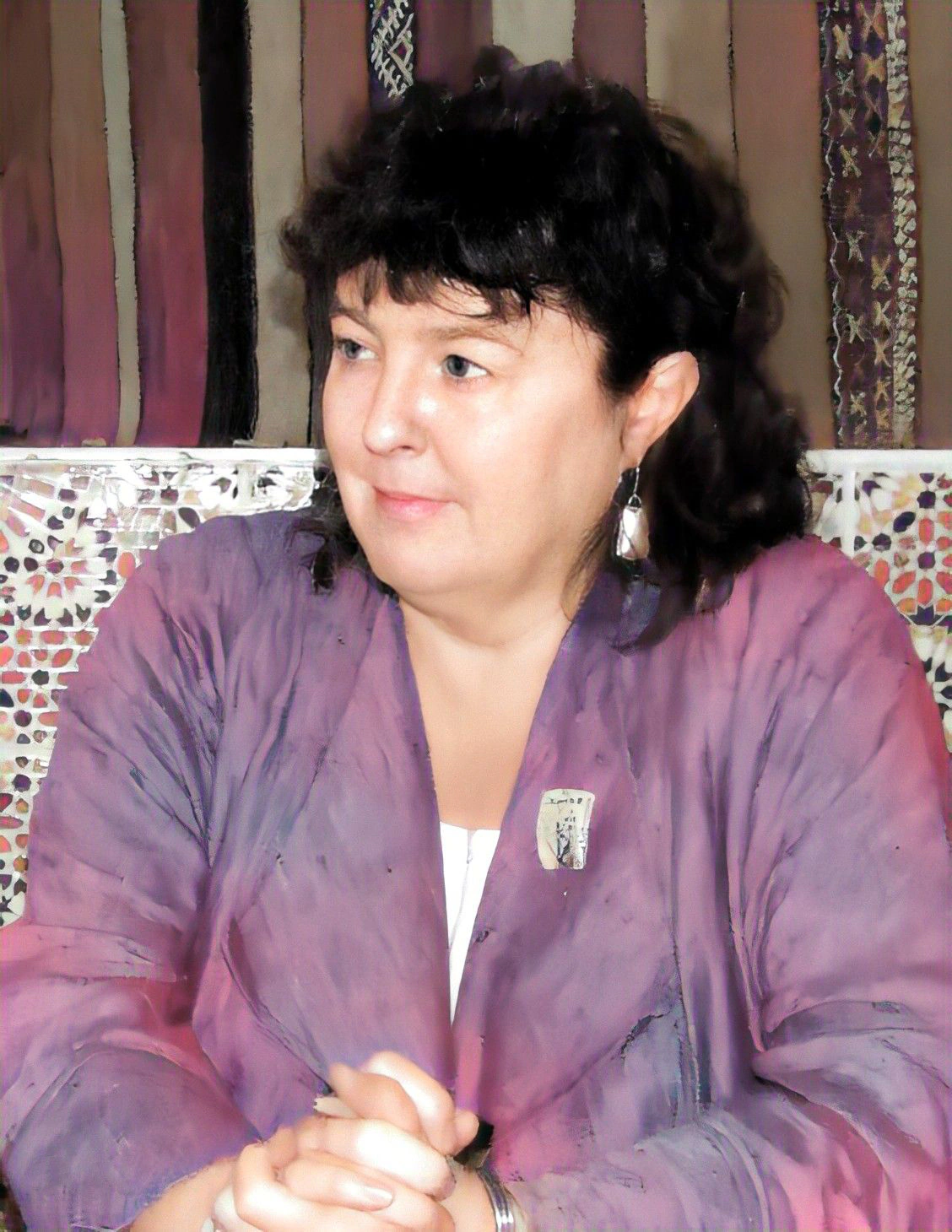
Attr: walnut whippet, CC BY 2.0
| 15 Quotes | |
| Occup. | Poet |
| From | United Kingdom |
| Born | December 23, 1955 Glasgow, Scotland |
| Age | 70 years |
| Cite | |
Citation Formats
APA Style (7th ed.)
Carol ann duffy biography, facts and quotes. (2026, February 11). FixQuotes. https://fixquotes.com/authors/carol-ann-duffy/
Chicago Style
"Carol Ann Duffy biography, facts and quotes." FixQuotes. February 11, 2026. https://fixquotes.com/authors/carol-ann-duffy/.
MLA Style (9th ed.)
"Carol Ann Duffy biography, facts and quotes." FixQuotes, 11 Feb. 2026, https://fixquotes.com/authors/carol-ann-duffy/. Accessed 5 Mar. 2026.
Early Life and Background
Carol Ann Duffy was born on 23 December 1955 in Glasgow, Scotland, the eldest of five children in a working-class Catholic family. Her father, Frank Duffy, was an electrician and later a trade unionist; her mother, Marie, held together the domestic life that would become one of Duffy's enduring imaginative laboratories - a place where love, authority, ritual, and grievance were felt at close quarters. The Glasgow of her infancy, marked by postwar rebuilding and sectarian undertones, gave her an early sense of how public structures press on private emotion.In 1967 the family moved south to Stafford, England, a dislocation that sharpened her ear for accent, belonging, and social codes. Duffy grew up between cultures - Scottish and English, Catholic and increasingly secular, industrial and suburban - and that in-betweenness later fed her gift for dramatic monologue: a voice poised between confession and performance. From adolescence she was alert to the politics of class and gender, and to the ways ordinary speech can conceal, or suddenly expose, desire and fear.
Education and Formative Influences
She attended Stafford Girls' High School and began writing poetry seriously as a teenager, soon entering a decisive mentorship with the Liverpool poet Adrian Henri, whom she met at 16; their relationship, intellectual and romantic, opened a door to performance poetry, pop art energies, and the idea that lyric could be both intimate and publicly voiced. Duffy read philosophy at the University of Liverpool (graduating in the late 1970s) while absorbing a broad canon and a living poetry culture, and she later developed as a writer through residencies and early literary networks that treated voice, persona, and the contemporary city as legitimate poetic subjects.Career, Major Works, and Turning Points
Duffy's first major collection, Standing Female Nude (1985), announced a distinctive method: inhabiting speakers often excluded from literary centrality, and using accessible diction to deliver moral pressure. The 1990s confirmed her range and popularity with collections such as Mean Time (1993), which won major prizes, and with ambitious reinaginings of history and myth in The World's Wife (1999). Alongside adult work she became a formidable poet for children and a cultural figure through broadcasts, editing, and teaching, serving as Poetry Editor of the magazine Ambit and later as Professor of Contemporary Poetry at Manchester Metropolitan University. In 2009 she became Poet Laureate of the United Kingdom, the first woman, the first Scot, and the first openly LGBT person to hold the role, writing public poems for national occasions while sustaining a private line of elegy, love lyric, and political witness; later collections such as Rapture (2005), The Bees (2011), and the pandemic-era Sincerity (2020) showed a poet still refining the balance between song and scrutiny.Philosophy, Style, and Themes
Duffy's inner life on the page is driven by the conviction that emotion is not raw material to be spilled but a problem of precision - how to name what hurts, what changes, what we refuse to admit. “Poets deal in writing about feelings and trying to find the language and images for intense feelings”. That emphasis on feeling does not make her work vague; it makes it forensic. She often approaches experience through a speaker's mask, letting irony, humor, and sudden tenderness expose self-deception. Her poems frequently pivot on time - the minute before loss, the aftertaste of love, the silence after an argument - so that memory becomes both evidence and accusation.Formally, she is a craft poet who hides craft in clarity: tight stanzas, clean turns, and a musician's sense of refrain. Her attraction to inherited forms is pragmatic and devotional at once: “I write quite a lot of sonnets, and I think of them almost as prayers: short and memorable, something you can recite”. The sonnet, in her hands, becomes a chamber for urgency rather than ornament, a way to trap the mind's weather in a small, speakable space. Yet the pressures in her work are not only personal; her Laureate years and beyond widened her field of anxiety toward ecological and civic fracture: “I think the dangers are different now. Our abuse of the planet and our resources is an anxiety”. Even then, the politics are carried by voice - by the human grain of fear, complicity, longing - as if the real subject is how a self learns to live with what it knows.
Legacy and Influence
Duffy reshaped late-20th- and early-21st-century British poetry by proving that accessibility can be exacting, that lyric intensity can coexist with popular reach, and that dramatic monologue can serve feminist revision, queer love, and public conscience without losing musical pleasure. She expanded the idea of who gets to speak in a poem, influenced a generation of poets and teachers through widely anthologized work and school syllabuses, and, as Laureate, helped re-normalize poetry as a civic art - not a relic but a living instrument for mourning, celebration, argument, and witness.Our collection contains 15 quotes written by Carol, under the main topics: Nature - Writing - Parenting - Equality - Poetry.
Other people related to Carol: Andrew Motion (Poet)
Carol Ann Duffy Famous Works
- 2008 Mrs Scrooge: A Christmas Tale (Book)
- 2005 Rapture (Poetry Collection)
- 2002 Feminine Gospels (Poetry Collection)
- 1999 The World's Wife (Poetry Collection)
- 1987 Selling Manhattan (Poetry Collection)
- 1985 Standing Female Nude (Poetry Collection)
Source / external links