
Catherine Crowe Biography Quotes 3 Report mistakes
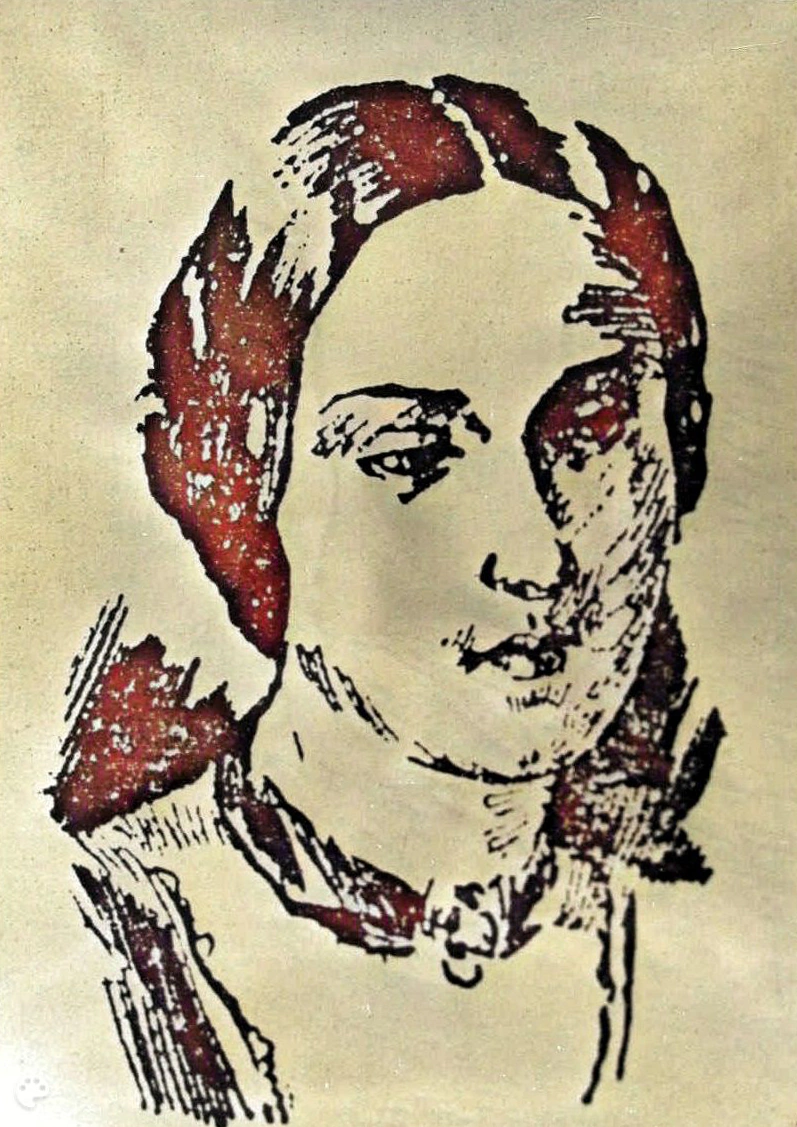
| 3 Quotes | |
| Born as | Catherine Ann Stevens |
| Occup. | Writer |
| From | United Kingdom |
| Spouse | John Crowe |
| Born | September 20, 1803 Borough Green, Kent, England |
| Died | June 14, 1876 Folkestone, Kent |
| Aged | 72 years |
| Cite | |
Citation Formats
APA Style (7th ed.)
Catherine crowe biography, facts and quotes. (2026, February 11). FixQuotes. https://fixquotes.com/authors/catherine-crowe/
Chicago Style
"Catherine Crowe biography, facts and quotes." FixQuotes. February 11, 2026. https://fixquotes.com/authors/catherine-crowe/.
MLA Style (9th ed.)
"Catherine Crowe biography, facts and quotes." FixQuotes, 11 Feb. 2026, https://fixquotes.com/authors/catherine-crowe/. Accessed 26 Mar. 2026.
Early Life and Background
Catherine Ann Stevens was born on September 20, 1803, in the United Kingdom, into a Britain remade by war, fast commerce, and expanding print culture. The early nineteenth century was a time when respectable domestic life and public debate coexisted uneasily with anxieties about crime, madness, and the unseen - conditions that would later feed her taste for moral suspense and the supernatural. Although the documentary record of her childhood is thinner than that of many Victorian men of letters, her later writing suggests an early familiarity with the pressures on women to be decorous, useful, and quiet, and with the inner rebellions such pressures could provoke.She married the journalist and dramatist John Crowe, and wrote under the name Catherine Crowe, a choice that placed her in the bustling world of periodicals and theatrical adaptation while still moving within the constraints of Victorian propriety. The marriage tied her to London literary networks yet did not shelter her from financial and reputational vulnerability - the two forces that shaped many mid-century women writers who had to convert intellect into income while guarding social standing. From the outset, her life carried a double current: outward professionalism and inward preoccupation with what ordinary society refused to name.
Education and Formative Influences
Crowe was largely self-formed in the way many early-Victorian women of letters were: through omnivorous reading, conversation, and the practical discipline of writing for an audience. She absorbed Romantic-era interest in subjectivity and the Gothic, but she also inherited the Enlightenment habit of arguing from examples, cases, and observed behavior. As the era professionalized medicine and law and popularized "science" in magazines and lectures, she learned to treat stories - especially testimonies of strange experience - as evidence about human nature, not merely entertainment.Career, Major Works, and Turning Points
Crowe built a career across genres: stage work, fiction, and, most distinctively, supernatural compilation. Her early success included fiction and dramatic writing, but she became widely known for The Night Side of Nature (first published 1848), a landmark survey of ghosts, apparitions, second sight, and related phenomena assembled from reports, pamphlets, and oral accounts. She also wrote exemplary moral-suspense narratives, most famously Susan Hopley; or, Circumstantial Evidence (1841), a novel shaped by contemporary fascination with wrongful accusation and the evidentiary power of small facts. Mid-century observers also noted a public crisis in her life: a period of mental disturbance and paranoid behavior in the early 1850s that led to temporary seclusion and gossip. That rupture did not erase her achievements, but it sharpened the tragic irony in her public reputation - a writer of haunted minds who became, briefly, an object of the very medicalized scrutiny her culture directed at "unruly" women.Philosophy, Style, and Themes
Crowe wrote as a moralist with a reporter's appetite for detail. In her realist plots, character is tested by rumor, misread signs, and the cruelty of respectable opinion; in her supernatural work, ordinary people become witnesses whose credibility is weighed against authority. She distrusted the complacency of experts, insisting that knowledge advances by revisiting what the powerful have dismissed: “A great many things have been pronounced untrue and absurd, and even impossible, by the highest authorities in the age in which they lived, which have afterwards, and, indeed, within a very short period, been found to be both possible and true”. Psychologically, that sentence reads as self-defense and cultural critique at once - the voice of a woman writer pushing against gatekeepers, and of an investigator who believed ridicule was often a substitute for inquiry.Her supernatural philosophy was not mere sensationalism but a bid to expand the map of the self. She repeatedly returns to the notion that human beings are not exhausted by social roles or bodily limits: “I cannot but think that it would be a great step if mankind could familiarise themselves with the idea that they are spirits incorporated for a time in the flesh re spirits incorporated for a time in the flesh”. That belief makes sense of her thematic union of ethics and metaphysics: if life is a temporary embodiment, then choices reverberate beyond the visible, and private conscience becomes the arena of judgment. Accordingly, she frames destiny less as external punishment than as interior formation: “What a man has made himself he will be; his state is the result of his past life, and his heaven or hell is in himself”. In both her ghost stories and her courtroom-like narratives, the most frightening hauntings are often self-made - guilt, obsession, and the slow calcification of character.
Legacy and Influence
Crowe helped normalize supernatural inquiry for a mass readership before Victorian spiritualism became a craze, and she offered later writers a template for treating uncanny reports with documentary seriousness. The Night Side of Nature fed the imaginations of readers who would shape late-Victorian ghost fiction and, indirectly, the case-collecting ethos of later psychical research; Susan Hopley belongs to the lineage of sensation and detective fiction that made "evidence" a central drama of narrative. Her life also stands as a cautionary biography of gendered scrutiny: praised for imaginative power yet vulnerable to being pathologized when she deviated from expectations. She died on June 14, 1876, leaving a body of work that still illuminates the nineteenth century's central tension - between what society could explain and what it could not stop experiencing.Our collection contains 3 quotes written by Catherine, under the main topics: Truth - Faith - Free Will & Fate.
Catherine Crowe Famous Works
- 1859 Ghosts and Family Legends (Book)
- 1857 Men and Women; or, Manorial Rights (Novel)
- 1848 The Night Side of Nature; or, Ghosts and Ghost-Seers (Book)
- 1847 Lilly Dawson (Novel)
- 1841 The Adventures of Susan Hopley; or, Circumstantial Evidence (Novel)
Source / external links