
Cecil Williams Biography Quotes 4 Report mistakes
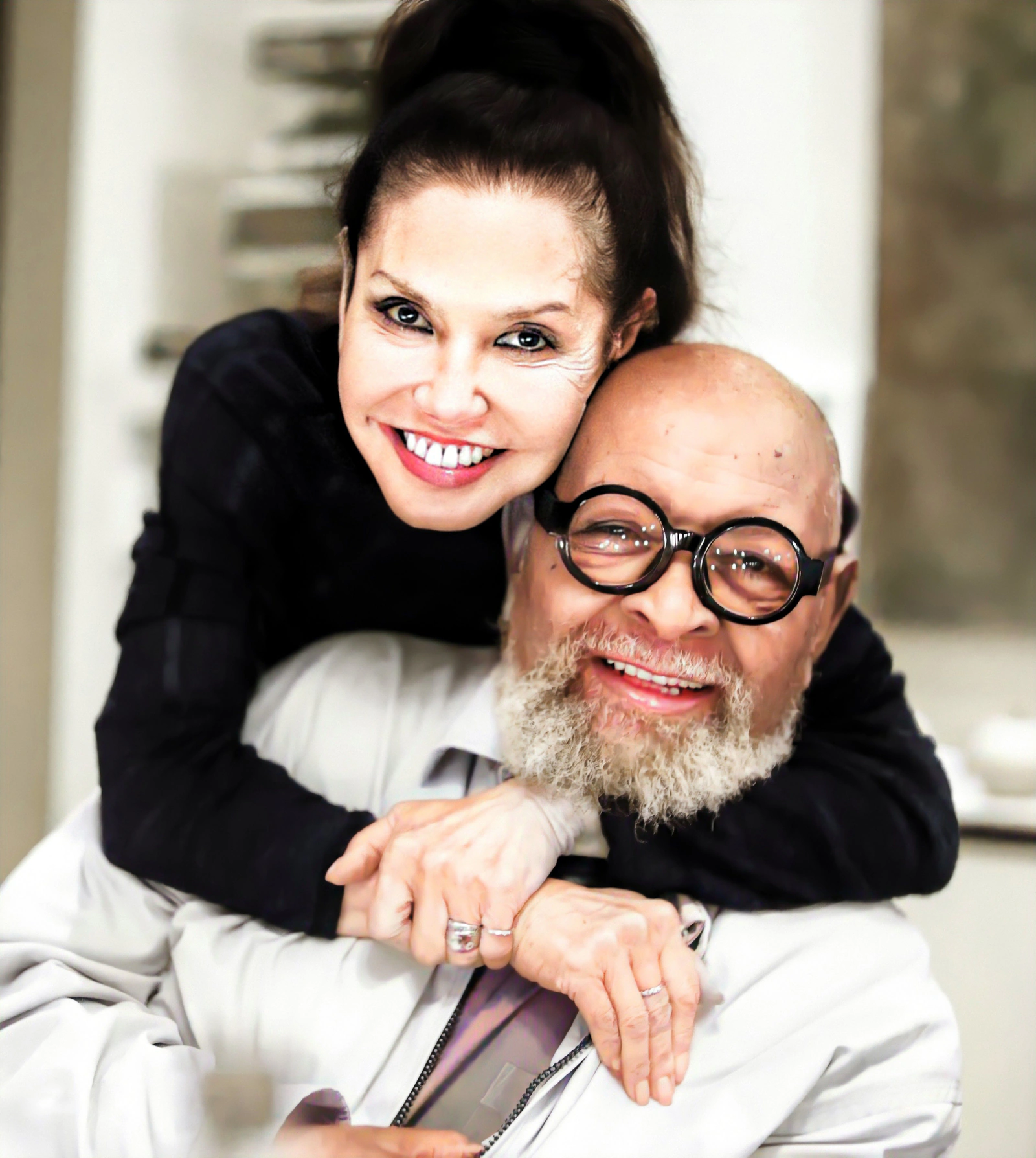
| 4 Quotes | |
| Born as | Albert Cecil Williams |
| Known as | Reverend Cecil Williams |
| Occup. | Author |
| From | USA |
| Spouses | Evelyn Robinson (1956–1976) Janice Mirikitani (1982–2021) |
| Born | September 22, 1929 San Angelo, Texas, U.S. |
| Age | 96 years |
| Cite | |
Citation Formats
APA Style (7th ed.)
Cecil williams biography, facts and quotes. (2026, February 11). FixQuotes. https://fixquotes.com/authors/cecil-williams/
Chicago Style
"Cecil Williams biography, facts and quotes." FixQuotes. February 11, 2026. https://fixquotes.com/authors/cecil-williams/.
MLA Style (9th ed.)
"Cecil Williams biography, facts and quotes." FixQuotes, 11 Feb. 2026, https://fixquotes.com/authors/cecil-williams/. Accessed 12 Feb. 2026.
Early Life and Background
Albert Cecil Williams was born on September 22, 1929, in the United States, into a country entering the long crisis-and-reinvention of the Great Depression era and the social realignments that followed World War II. His childhood unfolded alongside the hardening lines of Jim Crow and the moral urgency that would later animate the civil rights movement. Even early in his life, the tensions between American idealism and lived inequality formed the backdrop for a sensibility that would later be expressed in writing and public moral argument rather than private contemplation alone.Williams later became known as Cecil Williams, a figure whose public identity was inseparable from the communities he served and the institutions he tried to widen. The formative pressure points of his early years were less about personal spectacle than about proximity to need - the everyday visibility of poverty, loneliness, and exclusion. That early proximity appears to have trained him to read society not as an abstraction but as a network of relationships where failure is rarely individual and repair is always shared.
Education and Formative Influences
Williams education and intellectual formation are best understood as a blending of religious training, pastoral apprenticeship, and the mid-20th-century ferment in American theology and social ethics. He emerged during an era when many clergy and writers were rethinking what faith required in public life, influenced by the Social Gospel tradition, the civil rights movement, and the widening debates over war, race, and economic justice. For Williams, the central lesson was not merely doctrinal literacy but the conviction that credibility is earned in the streets and in institutions that decide who belongs.Career, Major Works, and Turning Points
Williams built his career at the intersection of authorship, ministry, and community leadership, becoming most associated with Glide Memorial Church in San Francisco, where he served as senior pastor and helped turn the congregation into a nationally recognized hub of progressive Christianity and social services. In the context of postwar migration to the Bay Area, the Vietnam era, and later the AIDS crisis and widening inequality, his work emphasized an expansive welcome and practical care - food programs, advocacy, and partnerships that treated the church as civic infrastructure rather than a private club. His writing and public addresses advanced the same project: to give moral language to inclusion, to translate compassion into systems, and to insist that spirituality be measured by what it changes in the lives of those on the margins.Philosophy, Style, and Themes
Williams central theme is relational ethics: the belief that human dignity is not an idea to be admired but a bond to be practiced. His voice, both pastoral and authorial, favors direct imperatives over ornament, as if urgency itself were a style. When he insists, "We must learn to reach out and touch one another, for it is in our connection with others that we find our strength and our purpose". , he reveals a psychology oriented toward attachment rather than distance - a temperament wary of purity and abstraction, convinced that isolation is the seedbed of cruelty and despair.A second recurring theme is radical hospitality as an institutional discipline. "The church should be a place where everyone is welcome, regardless of their race, creed, or social standing". is not presented as sentiment but as a test: who is allowed to enter, speak, lead, and receive care. His prose repeatedly returns to presence as method - "In order to make a difference, we must be involved in the lives of people. We must be present with them, walk with them, and journey with them". - suggesting an inner life shaped by impatience with symbolic charity and a preference for sustained accompaniment. Across his themes, personal redemption is never merely private; it is social, negotiated through the daily work of solidarity.
Legacy and Influence
Cecil Williams enduring influence lies in how he helped model a form of American religious and literary public life that treated inclusion as both theology and practice. By framing community as a moral technology - something built through welcome, presence, and services that meet concrete needs - he contributed to the wider shift in late 20th-century faith communities toward social engagement as a core identity rather than a secondary program. His legacy persists in the institutions and leaders shaped by that ethos, and in a body of public language that continues to argue that the measure of belief is what it makes possible for the excluded, the sick, and the poor.Our collection contains 4 quotes written by Cecil, under the main topics: Motivational - Friendship - Equality - Servant Leadership.
Cecil Williams Famous Works
- 1992 No Hiding Place: Empowerment and Recovery for Our Troubled Communities (Book)
- 1980 I'm Alive! (Book)
Source / external links