
Charles F. Bass Biography Quotes 2 Report mistakes
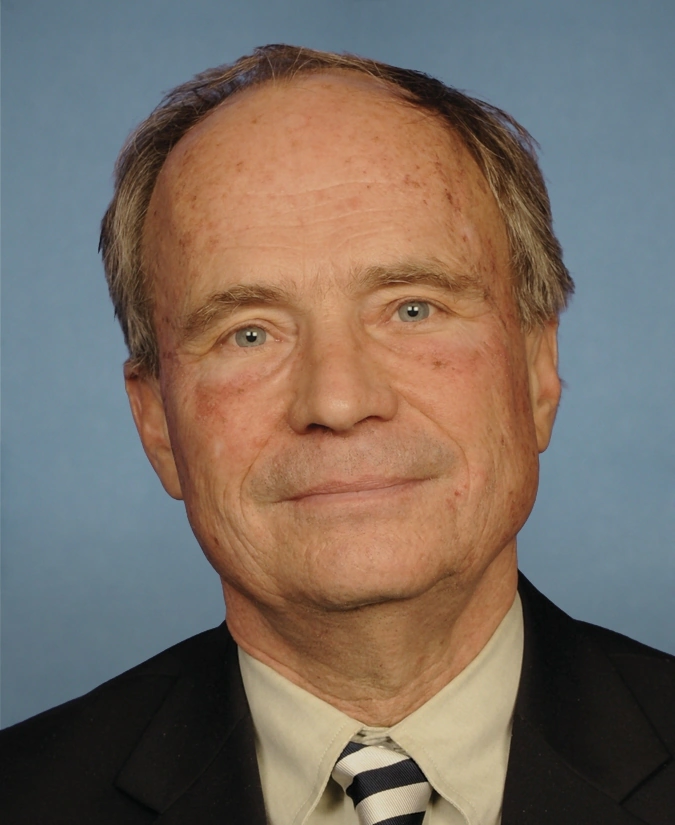
| 2 Quotes | |
| Born as | Charles Foster Bass |
| Occup. | Politician |
| From | USA |
| Born | January 8, 1952 Boston, Massachusetts |
| Age | 74 years |
| Cite | |
Citation Formats
APA Style (7th ed.)
Charles f. bass biography, facts and quotes. (2026, February 11). FixQuotes. https://fixquotes.com/authors/charles-f-bass/
Chicago Style
"Charles F. Bass biography, facts and quotes." FixQuotes. February 11, 2026. https://fixquotes.com/authors/charles-f-bass/.
MLA Style (9th ed.)
"Charles F. Bass biography, facts and quotes." FixQuotes, 11 Feb. 2026, https://fixquotes.com/authors/charles-f-bass/. Accessed 12 Feb. 2026.
Early Life and Family
Charles Foster Bass, widely known as Charlie Bass, was born in 1952 and emerged from one of New Hampshire's most enduring political families. His father, Perkins Bass, represented New Hampshire in the U.S. House of Representatives in the mid-20th century, and his grandfather, Robert P. Bass, served as Governor of New Hampshire in the early 1900s. That lineage, deeply rooted in the state's Yankee Republican tradition, shaped his outlook on public service, civic responsibility, and pragmatic problem-solving from an early age. Growing up with a front-row seat to politics, he observed the rhythms of town meetings, the importance of constituent service, and the value of moderation in a state known for its independent streak.Education and Early Career
Bass's education and early professional life acquainted him with the policy debates and institutional processes that would later define his career. He trained in the liberal arts and policy analysis typical of New England political figures of his generation, a foundation that complemented the lessons he had internalized from his family's many years in government. Before ascending to national office, he worked in roles that exposed him to the realities of small-business needs, local governance, and the meticulous work of consensus-building across differing interests.State-Level Service
Charlie Bass first made his mark in the New Hampshire Legislature, serving in the New Hampshire House of Representatives in the 1980s and then the New Hampshire Senate in the late 1980s and early 1990s. In Concord he developed a reputation as an accessible, detail-oriented lawmaker, attentive to the fiscal prudence prized by many voters while keeping an eye on long-term investments in infrastructure, education, and environmental stewardship. His statehouse years cemented relationships with local officials and civic leaders across the Granite State, relationships that would prove essential when he sought federal office.Election to the U.S. House of Representatives
Riding a national wave that favored change in 1994, Bass won election to the U.S. House, representing New Hampshire's 2nd congressional district beginning in 1995. He served multiple terms, holding the seat until early 2007. During this period he worked alongside fellow members of New Hampshire's congressional delegation, including figures such as Senator Judd Gregg, and he participated in the policy debates that marked the eras of Speakers Newt Gingrich and Dennis Hastert. His approach emphasized careful oversight, constituent service, and incremental reform.
Legislative Focus and Style
In Washington, Bass aligned with the pragmatic center-right, often associated with the Republican Main Street tradition and the Tuesday Group. He paid particular attention to energy policy, telecommunications, public health, and small-business concerns. His portfolio frequently touched on matters handled by committees with jurisdiction over energy and commerce, where he pushed for practical solutions that could balance economic growth with environmental responsibility. Energy efficiency, grid modernization, and the potential for technology-driven innovation across the economy were recurring themes in his public work. He favored data-driven legislating and cultivated relationships across the aisle when bipartisan progress was possible.Setback and Return
The 2006 midterm election proved difficult for many incumbents, and Bass was unseated by Democrat Paul Hodes as national winds shifted. After a period outside Congress, he returned to the campaign trail in 2010 amid another wave election, winning back the 2nd district seat and rejoining the House in 2011. In his second stint he served under Speaker John Boehner and again emphasized moderation and pragmatism, even as partisan polarization grew. The rematch-driven 2012 cycle brought another challenge: Democrat Ann McLane Kuster defeated Bass, inaugurating a new phase for the district and marking the close of his congressional tenure.Constituent Relationships and New Hampshire Traditions
Throughout his career, Bass grounded his politics in New Hampshire's civic culture. He cultivated ties with town officials, business owners, conservationists, and veterans' advocates, engaging regularly in the retail politics of listening sessions and community forums. The habits of responsiveness and accessibility, absorbed in part from watching Perkins Bass and stories about Robert P. Bass's governorship, remained hallmarks of his public service. His colleagues and rivals alike recognized his even-tempered manner and willingness to engage detail, a style that matched the state's expectation that public officials be hands-on and accountable.Policy Interests Beyond Capitol Hill
After Congress, Bass continued to work on public policy from outside elected office. Drawing on years of committee and caucus experience, he remained active in dialogues on energy innovation, environmental stewardship compatible with economic vitality, and the evolving regulatory frameworks for telecommunications and technology. He contributed to advisory efforts and civic initiatives that benefited from his knowledge of federal and state processes, encouraging pragmatic coalitions that mirrored the partnerships he sought during his legislative career.Political Relationships and Opponents
The people around Bass helped define the arc of his public life. In addition to the formative influence of Perkins Bass and Robert P. Bass, his congressional service intersected with many figures in New Hampshire and national politics. He served alongside members of the state's delegation during changing times and faced formidable opponents in Paul Hodes and Ann McLane Kuster, both of whom embodied the district's increasingly competitive political terrain. The push-and-pull of these relationships, set against a backdrop of shifting party coalitions, framed his efforts to preserve a space for moderate, solutions-oriented Republicanism.Legacy and Influence
Charlie Bass's legacy is inseparable from New Hampshire's tradition of citizen-centered governance. His career traced the fortunes of a moderate Republican brand grounded in fiscal caution, environmental sensibility, and institutional respect. He demonstrated that lineage and personal temperament could still matter in politics, even amid national polarization. For many constituents, he is remembered for diligence and accessibility: the representative who returned calls, read the fine print, and showed up across a sprawling, diverse district. For observers of the state's political history, he stands within a family continuum that linked early 20th-century progressivism to late 20th- and early 21st-century centrism, illustrating how regional political cultures adapt while preserving core civic values.Our collection contains 2 quotes written by Charles, under the main topics: Privacy & Cybersecurity - Decision-Making.
Source / external links