
Charles Lamb Biography Quotes 38 Report mistakes
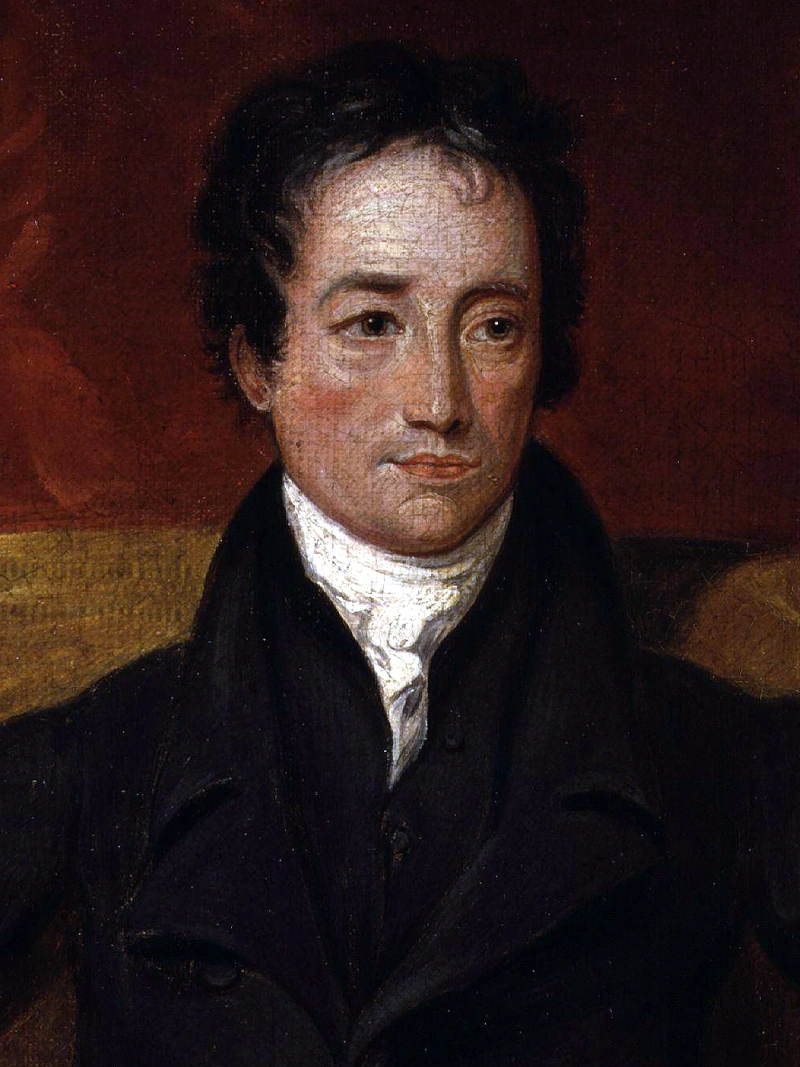
| 38 Quotes | |
| Known as | Elia |
| Occup. | Critic |
| From | England |
| Born | February 10, 1775 London, England |
| Died | July 27, 1834 Edmonton, Middlesex, England |
| Aged | 59 years |
| Cite | |
Citation Formats
APA Style (7th ed.)
Charles lamb biography, facts and quotes. (2026, February 11). FixQuotes. https://fixquotes.com/authors/charles-lamb/
Chicago Style
"Charles Lamb biography, facts and quotes." FixQuotes. February 11, 2026. https://fixquotes.com/authors/charles-lamb/.
MLA Style (9th ed.)
"Charles Lamb biography, facts and quotes." FixQuotes, 11 Feb. 2026, https://fixquotes.com/authors/charles-lamb/. Accessed 3 Apr. 2026.
Early Life and Background
Charles Lamb was born on February 10, 1775, in London, in the precincts of the Inner Temple, where his father, John Lamb, worked as clerk and assistant to the barrister Samuel Salt. The Temple - half legal maze, half ancient village - gave the boy an early sense of English institutions as lived experience: chambers, courts, gossip, books, and the hum of professional life. His mother, Elizabeth Field Lamb, came from a line tied to service and household labor; Lamb later transmuted such domestic origins into a prose that dignified the overlooked and made the everyday speak.The defining fact of Lamb's inner life was family dependence under pressure. A childhood speech impediment and a fragile health made him self-conscious, yet he formed deep attachments early, above all to his sister Mary. In September 1796, during a crisis of mental illness, Mary fatally stabbed their mother and wounded their father; Charles assumed lifelong guardianship, arranging for her care while keeping her close when stable. This private catastrophe became his permanent ethical training - tenderness without illusions, loyalty without sentimentality - and it fixed his adult pattern of alternating conviviality with vigilance, as he balanced friendship, work, and the recurring fear of relapse.
Education and Formative Influences
From 1782 Lamb was educated at Christ's Hospital, the London charity school whose discipline and camaraderie later fed his most affectionate recollections; there he befriended Samuel Taylor Coleridge, a connection that drew him into the culture of radical ideas and new poetry at the turn of the century. Lamb absorbed the school's classical curriculum but also the city around it - theaters, bookstalls, sermons, and street talk - and he discovered the older English writers who would become his lifelong companions: Shakespeare, the Elizabethans and Jacobeans, and the essayists of the seventeenth century. The French Revolution and its aftermath formed the backdrop to his youth, sharpening his distrust of grand abstractions and pushing him toward moral attention to individual lives.Career, Major Works, and Turning Points
In 1792 Lamb entered the East India Company as a clerk, a post he held for more than three decades; the office gave him stability, a modest income, and the daily fatigue that made his later retirement in 1825 feel like an earned liberation. He published early verse and, with Coleridge, the short volume Poems on Various Subjects (1796), then attempted a compact tragedy, John Woodvil (1802). His critical and theatrical gifts matured in collaboration with Mary: Tales from Shakespeare (1807) introduced generations to the plays through lucid narrative, while Specimens of English Dramatic Poets Who Lived About the Time of Shakespeare (1808) revived neglected dramatists and showed Lamb as a critic of rare sympathetic intelligence. His greatest public identity arrived with the periodical essays signed "Elia" in the London Magazine (1820-1822), later collected as Essays of Elia and Last Essays of Elia, where he refined autobiography into an art of memory, humor, and humane judgment, all while maintaining the quiet, difficult duty of care at home.Philosophy, Style, and Themes
Lamb's philosophy was less a system than a temperament shaped by responsibility: he distrusted ideological purity and preferred the mixed motives of real people. His essays turn on the moral drama of ordinary choice - how to be gentle without becoming weak, how to be honest without cruelty - and his humor often shields what is most vulnerable. He could write, with disarming plainness, “I could never hate anyone I knew”. That sentence is not naivete so much as self-discipline: hatred requires distance, and Lamb, trained by caregiving, kept closing the distance, returning even offenders to the category of the human.Style was Lamb's instrument of mercy. He wrote in a supple, allusive prose that borrowed the cadence of older English and yet stayed intimate, as if addressed to a friend across a table. Reading for him was not extraction of "information" but relationship, the dead made present in a voice: “What is reading, but silent conversation”. The Elia persona - part mask, part confession - allowed him to face trauma obliquely, converting pain into wit and reminiscence without exhibitionism. Even his lightest occasions, his essays on holidays and small rituals, carry a quiet metaphysics of renewal; he could make a calendar insight into a moral reset, insisting that “New Year's Day is every man's birthday”. The psychology underneath is characteristic: the need to begin again, repeatedly, because life at home required it - each calm interval a new start, each relapse a call to steadiness.
Legacy and Influence
Lamb died on July 27, 1834, in Edmonton, Middlesex, after years in which Mary outlived him in increasing frailty, and he left behind a model of criticism as fellow-feeling. Later essayists from Hazlitt's inheritors to Victorian and modern personal critics learned from his method: scholarship without pedantry, autobiography without self-importance, and comedy that never forgets grief. His Shakespeare retellings remained a gateway for young readers, while his Specimens helped reshape the canon of Renaissance drama. Above all, "Elia" endures as a distinct English moral voice - modest, bookish, urban, and quietly heroic - showing how a life constrained by work and family crisis can still generate art that enlarges sympathy and makes memory a form of care.Our collection contains 38 quotes written by Charles, under the main topics: Witty One-Liners - Wisdom - Dark Humor - Puns & Wordplay - Friendship.
Other people related to Charles: Agnes Repplier (Writer), Barry Cornwall (Poet), Joseph Epstein (Writer), Edward V. Lucas (Writer), Bernard Barton (Poet)