
Charles Wesley Biography Quotes 3 Report mistakes
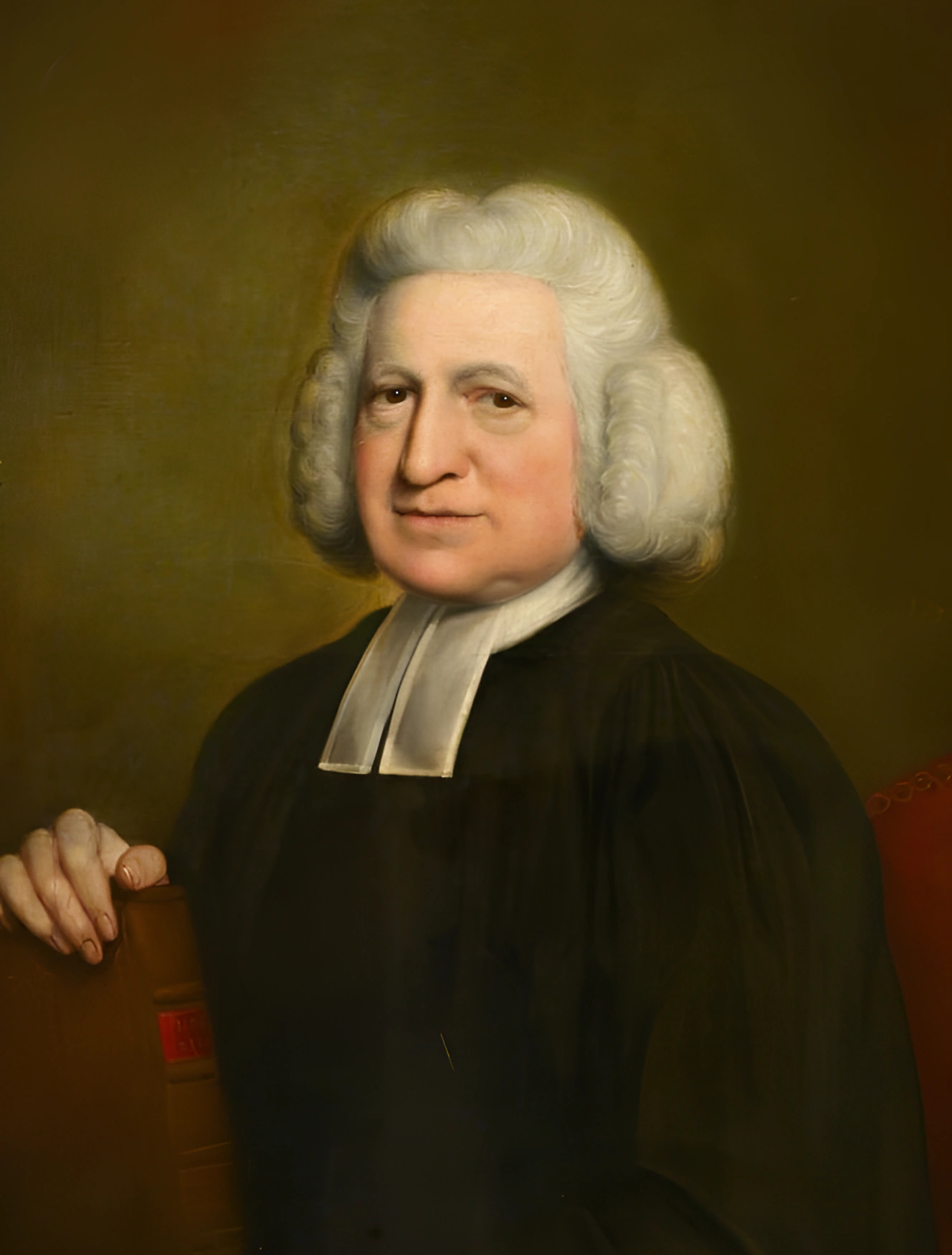
Attr: Magnus Manske
| 3 Quotes | |
| Occup. | Clergyman |
| From | United Kingdom |
| Born | December 12, 1707 Epworth, Lincolnshire, England |
| Died | March 29, 1788 London, England |
| Cause | Pneumonia |
| Aged | 80 years |
| Cite | |
Citation Formats
APA Style (7th ed.)
Charles wesley biography, facts and quotes. (2026, February 13). FixQuotes. https://fixquotes.com/authors/charles-wesley/
Chicago Style
"Charles Wesley biography, facts and quotes." FixQuotes. February 13, 2026. https://fixquotes.com/authors/charles-wesley/.
MLA Style (9th ed.)
"Charles Wesley biography, facts and quotes." FixQuotes, 13 Feb. 2026, https://fixquotes.com/authors/charles-wesley/. Accessed 5 Mar. 2026.
Early Life and Background
Charles Wesley was born on 12 December 1707 at Epworth in Lincolnshire, the eighteenth child of Samuel Wesley, rector of Epworth, and Susanna Wesley, the formidable household theologian whose disciplined piety shaped the family ethos. The rectory was both a busy clerical center and a pressured domestic world - crowded, bookish, and frequently strained by debt, illness, and the aftershocks of England's political-religious divisions after the Glorious Revolution. In that setting Charles absorbed Anglican prayer-book religion, Scripture read aloud, and the sense that faith was lived not as private sentiment but as rule, rhythm, and duty.
Early grief and peril were part of his emotional landscape: siblings died young, and the family carried the memory of John Wesley's childhood rescue from the Epworth rectory fire as a sign of providence and calling. Charles was quieter than John, more inwardly sensitive, yet from youth showed a gift for language and music that would later translate doctrine into song. He grew up in an England where parish religion often drifted into formalism, while new energies - dissenting fervor, moral reform, and the early stirrings of industrial change - pressed against the old ecclesiastical order.
Education and Formative Influences
Wesley was educated at Westminster School and then entered Christ Church, Oxford, where he took his BA (1730) and later his MA, moving within a world that prized classical learning, Anglican orthodoxy, and polite culture. At Oxford he helped organize the disciplined devotional society that opponents nicknamed the "Methodists", marked by frequent communion, fasting, prison visiting, and accountability - practices learned as much from Susanna's seriousness as from patristic and High Church models. The group became a crucible for his conscience: he discovered how easily rigorous devotion could coexist with an unassured heart, and how the desire to be holy could turn into anxious self-measurement without an experienced certainty of grace.
Career, Major Works, and Turning Points
Ordained deacon and then priest in the Church of England, Wesley sailed with John to Georgia in 1735; the mission faltered, and Charles returned disillusioned, feeling his religion had been strenuous but spiritually thin. The decisive turn came in London on Whitsunday, 21 May 1738, when he experienced what he described as faith in Christ as a present reality rather than a hoped-for reward - a moment that reoriented his pastoral tone from moral exhortation to evangelical invitation. Thereafter he became the movement's most prolific poet, composing thousands of hymns that carried Methodist doctrine into streets, fields, chapels, and parish churches; among the best known are "Hark! the Herald Angels Sing", "Love Divine, All Loves Excelling", "O for a Thousand Tongues to Sing" and "Jesus, Lover of My Soul". His itinerant preaching supported the early Methodist societies, while his later life centered more in London, including his marriage in 1749 to Sarah Gwynne and his continuing defense of Methodism's Anglican identity amid pressures toward separation.
Philosophy, Style, and Themes
Wesley's inner life reads as a long negotiation between order and ardor. The Oxford discipline trained him to fear spiritual self-deception; the 1738 assurance taught him to trust grace more than performance. His hymns became the meeting point: lyric craft joined to pastoral psychology, giving ordinary worshipers a vocabulary for conviction, doubt, consolation, and joy. He wrote as a priest of the Prayer Book and as an evangelist of the heart, insisting that faith was not merely assent but a lived gaze outward - “Faith, mighty faith, the promise sees, And looks to God alone; Laughs at impossibilities, And cries it shall be done”. The line is more than rhetoric: it reveals his own antidote to anxiety, a deliberate turning from self-scrutiny to divine promise.
His style is memorable because it dramatizes salvation as encounter - the incarnate Christ sought, resisted, welcomed, and finally adored - while holding a keen sense of time and mortality. Even his triumphant images are liturgical, not theatrical, anchoring enthusiasm in Scripture and common prayer: “God is gone up on high with a triumphant noise”. And yet the movement he helped build forced him to confront impermanence - preachers dying young, societies shifting, public hostility flaring, then fading. In that light, his aphoristic realism, “God buries His workmen but carries on His work”. , reads like a spiritual self-discipline: he could labor intensely without claiming ownership, trusting continuity beyond his own life and fame.
Legacy and Influence
Charles Wesley died in London on 29 March 1788 and was buried at Marylebone, having remained to the end a Church of England clergyman even as Methodism matured into a distinct tradition. His enduring influence is less institutional than devotional: he gave English-speaking Protestantism a sung theology of grace, assurance, holiness, and love that crossed denominational borders and survived changes in taste and doctrine. Where John systematized and organized, Charles supplied the movement's inner speech - hymns that taught people how to repent without despair, rejoice without shallowness, and pursue holiness without forgetting mercy - ensuring that the Methodist revival would be remembered not only as a program, but as a spiritual voice.
Our collection contains 3 quotes written by Charles, under the main topics: Faith - God.
Other people related to Charles: George Whitefield (Clergyman), Joseph Parry (Composer)
Source / external links