
Christian Lacroix Biography Quotes 13 Report mistakes
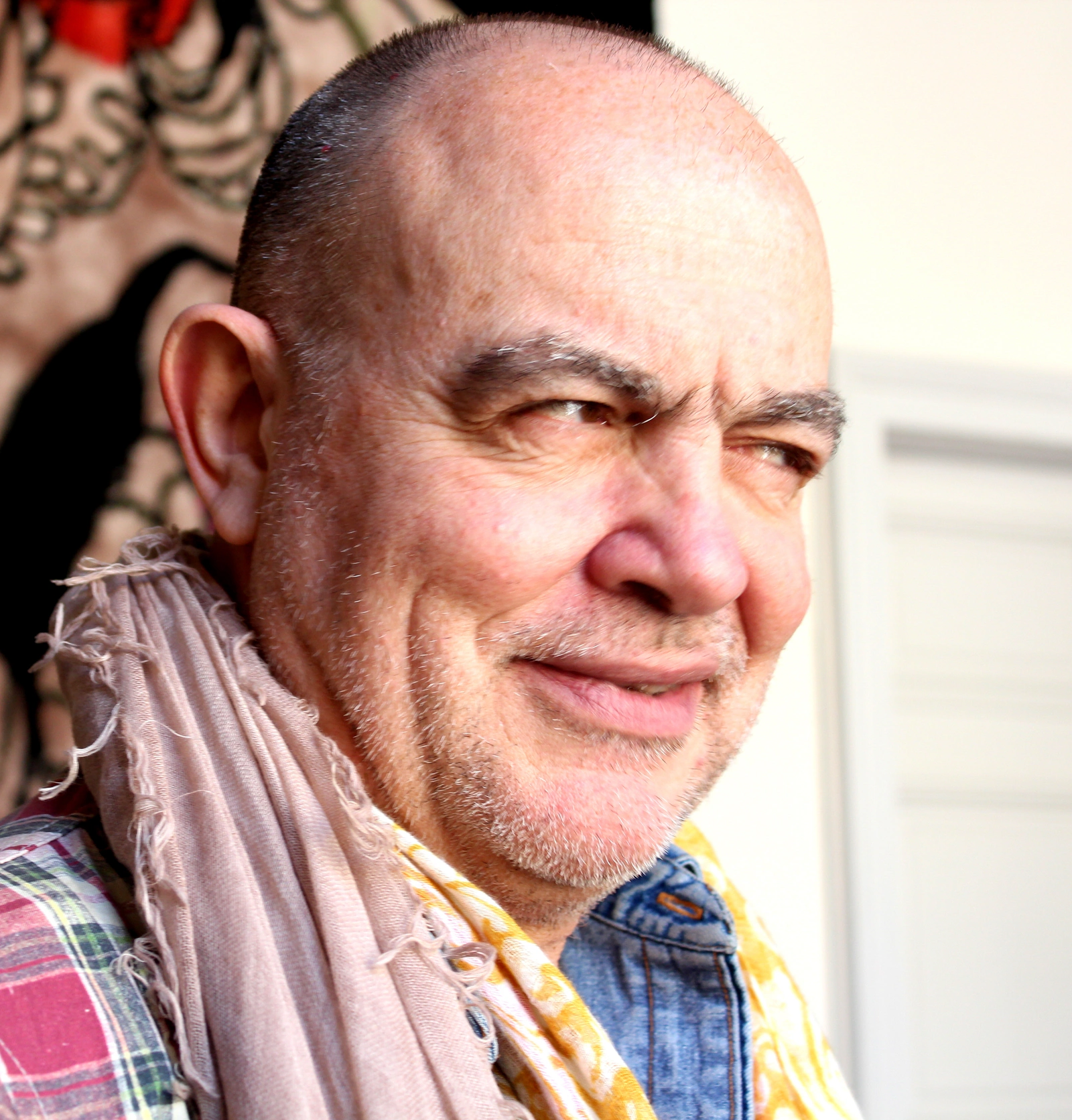
| 13 Quotes | |
| Born as | Christian Marie Marc Lacroix |
| Occup. | Designer |
| From | France |
| Born | May 16, 1951 Arles, France |
| Age | 74 years |
| Cite | |
Citation Formats
APA Style (7th ed.)
Christian lacroix biography, facts and quotes. (2026, February 11). FixQuotes. https://fixquotes.com/authors/christian-lacroix/
Chicago Style
"Christian Lacroix biography, facts and quotes." FixQuotes. February 11, 2026. https://fixquotes.com/authors/christian-lacroix/.
MLA Style (9th ed.)
"Christian Lacroix biography, facts and quotes." FixQuotes, 11 Feb. 2026, https://fixquotes.com/authors/christian-lacroix/. Accessed 12 Feb. 2026.
Early Life and Background
Christian Marie Marc Lacroix was born on May 16, 1951, in Arles, in the sunlit, tradition-heavy south of France. The region's Roman stones, Catholic pageantry, bullfighting ritual, and the saturated colors of Provence formed an early visual grammar: ceremony, costume, and spectacle as everyday life. Long before fashion became a profession, it was a way of decoding identity - class, faith, celebration, and desire - through fabric and silhouette.His family life placed him close to material memory. He absorbed wardrobes and ephemera as historical documents, sensing how clothing carries biography more faithfully than official records. That early intimacy with the past never hardened into nostalgia; it became a method. Even in later extravagance, his eye kept returning to the human scale of garments that had been worn, repaired, and handed down - evidence of lives lived inside cloth.
Education and Formative Influences
Lacroix moved from provincial Arles to Paris to study art history, attending the Sorbonne and the Ecole du Louvre, with a focus often linked to 17th- and 18th-century costume and painting. This training sharpened his ability to read garments as cultural texts, not just objects of taste, and it gave him a curator's sense of reference, provenance, and transformation. He also spent time in Montpellier earlier and, as a young man, haunted museums and flea markets with equal seriousness, learning that the boundary between high art and popular decoration was permeable.Career, Major Works, and Turning Points
In the 1970s Lacroix entered the fashion industry through houses that prized craft and heritage, notably Hermes, where he worked in the design studio, and then Jean Patou, where he became artistic director in 1981 and gained attention for reviving couture exuberance when minimalism was ascendant. Backed by LVMH, he launched the House of Christian Lacroix in 1987 and quickly became one of the late-20th century's defining couturiers, celebrated for the "pouf" silhouette, baroque embroidery, and color clashes that made runway shows feel like operas. He expanded into ready-to-wear, menswear, accessories, perfume, and later pursued theater, opera, and ballet costume design with major institutions in France and beyond. Financial pressures and shifting luxury economics dogged the label; the house entered receivership in 2009, a public turning point that pushed Lacroix toward a more nomadic, collaborative life in costume, interiors, and special projects while preserving his identity as a maker of spectacle.Philosophy, Style, and Themes
Lacroix's style was often described as maximalist, but its engine was scholarship and autobiography. He treated fashion as a dialogue between periods - court dress, folk costume, the Belle Epoque, postwar glamour - recomposed for the present. His sense of time was tactile and uneasy; he understood that clothes are clocks you can wear, and that looking back is also a reckoning with loss. "The notion of time bothers me. You look at thirty-year-old photographs and realize how the time has passed". That anxiety helps explain the urgency in his work: garments built like celebrations staged against disappearance.His design psychology also revolved around resisting uniformity. Lacroix defended ornament as individuality made visible, and he distrusted systems that reduce people to a single, correct silhouette. "The idea of seeing everybody clad the same is not really my cup of tea". Yet his apparent excess was rarely random; he layered motifs as if composing a painting, balancing costume drama with an internal structure of proportion, reference, and craft. "There's always some kind of hidden logic". The result was a signature tension: the controlled chaos of mixed prints, ecclesiastical richness beside street energy, and a faith that elegance can be plural rather than policed.
Legacy and Influence
Lacroix endures as a designer who kept couture emotionally expansive when fashion cycles increasingly rewarded speed, branding, and simplification. His work influenced later waves of romantic and historical eclecticism, demonstrating that erudition could be sensual and that regional memory could stand at the center of Parisian luxury. Even after the business limits of his maison became a cautionary tale, his broader career - spanning couture, ready-to-wear, and stage costume - preserved a crucial idea: fashion is not only about trend but about character, theater, and the right to be visually specific in an era that repeatedly pressures people to look the same.Our collection contains 13 quotes written by Christian, under the main topics: Witty One-Liners - Art - Sarcastic - Reason & Logic - Peace.
Other people related to Christian: Stella McCartney (Designer)