
Christopher Anstey Biography Quotes 1 Report mistakes
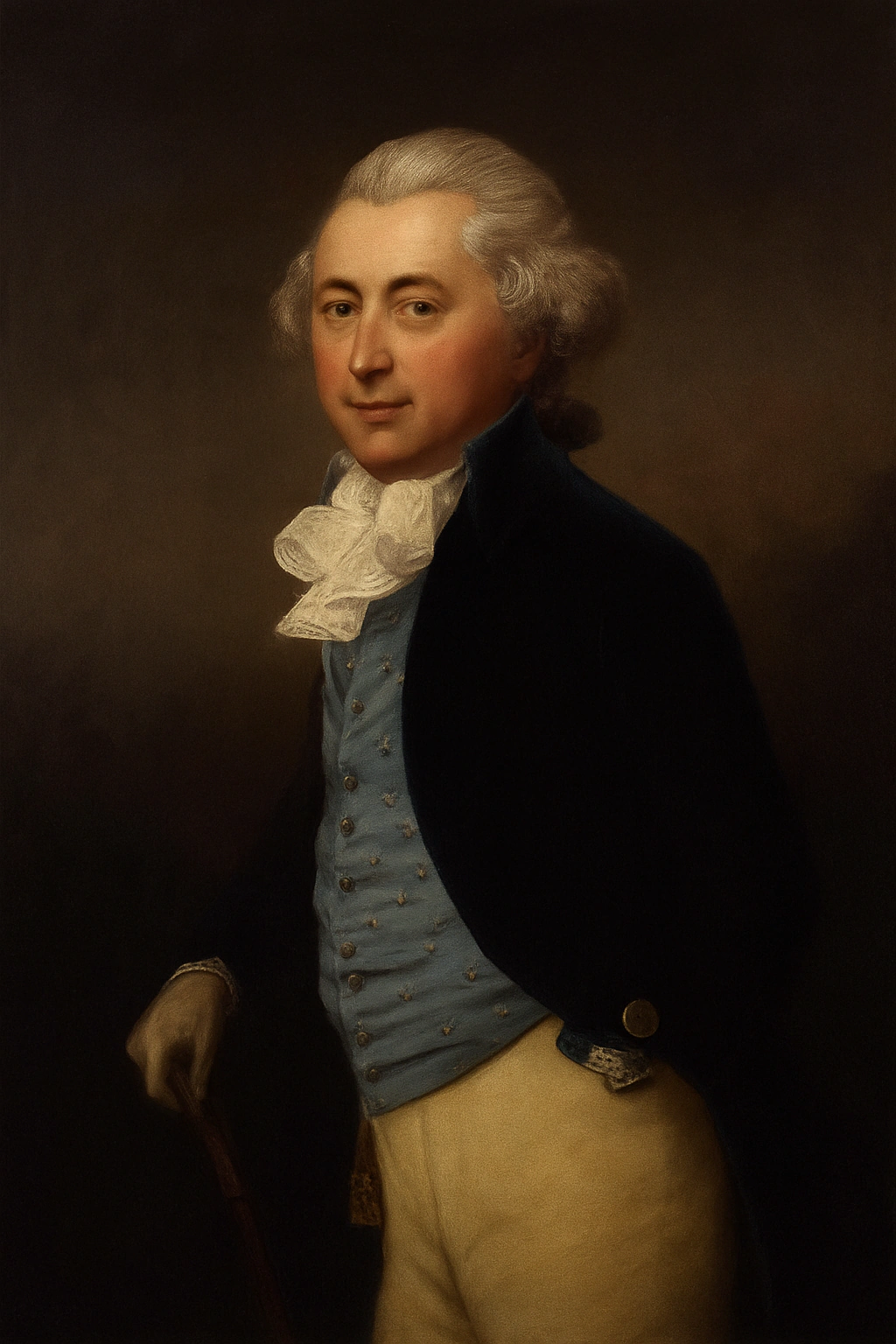
| 1 Quotes | |
| Occup. | Poet |
| From | England |
| Born | October 31, 1724 Brinkley, Cambridgeshire, England |
| Died | August 3, 1805 Bath, Somerset, England |
| Aged | 80 years |
| Cite | |
Citation Formats
APA Style (7th ed.)
Christopher anstey biography, facts and quotes. (2026, February 11). FixQuotes. https://fixquotes.com/authors/christopher-anstey/
Chicago Style
"Christopher Anstey biography, facts and quotes." FixQuotes. February 11, 2026. https://fixquotes.com/authors/christopher-anstey/.
MLA Style (9th ed.)
"Christopher Anstey biography, facts and quotes." FixQuotes, 11 Feb. 2026, https://fixquotes.com/authors/christopher-anstey/. Accessed 1 Apr. 2026.
Early Life and Background
Christopher Anstey was born on October 31, 1724, in Trumpington, just south of Cambridge, into the settled world of the English gentry - a society held together by land, patronage, and a strict sense of rank. That milieu mattered to the poet he became: his comedy would rarely be revolutionary, but it could be piercing about pretension, manners, and the self-serving language by which polite people justified their appetites. He grew up close to the university town whose rhythms of fellowship, rivalry, and talk would later feed his gift for social observation.In adulthood Anstey lived largely as a country gentleman, first in Cambridgeshire and later in Suffolk, writing alongside the duties and leisure of estate life. That relative security gave him access to books, conversation, and travel, but it also imposed expectations: restraint, good humor, and the appearance of ease. The tension between private energy and public composure - between what one wanted to say and what one was allowed to say - became one of his enduring subjects, with satire as the compromise that let him speak sharply while seeming merely amused.
Education and Formative Influences
Anstey was educated at Eton College and then entered King's College, Cambridge, becoming a Fellow; he proceeded to the M.A. in the 1740s. Cambridge in the mid-18th century was both conservative and intellectually alive, shaped by classical study, Anglican establishment, and the urbane skepticism of the Augustan age. His sensibility formed in the afterglow of Pope and Swift - the art of saying much in a controlled measure - while absorbing the newer appetite for character, scene, and colloquial immediacy that would flourish in the novel and in conversational verse.Career, Major Works, and Turning Points
Anstey's fame rests chiefly on The New Bath Guide (1766), a series of lively verse-letters that turned the fashionable resort of Bath into a stage for social comedy: flirtations, medical fads, gambling, consumption, and the self-advertising of visitors who pretended to be refined while hunting advantage. Its success was immediate and wide, making him a recognized satirist of polite life. After Bath he published other pieces - including the long narrative poem The Pleader's Guide (1778), which mocked legal practice and forensic cant - and continued to write as a gentleman author rather than a professional man of letters. In later years he lived at his estate near Bury St Edmunds, and he died on August 3, 1805, having watched Britain move from Augustan stability through war, revolution abroad, and mounting anxieties about class and change.Philosophy, Style, and Themes
Anstey's poetry is built on the confidence that society can be read - that people reveal themselves in the small transactions of taste, language, and leisure. The New Bath Guide uses the epistolary form to mimic the era's obsession with correspondence and reputation, letting different voices expose themselves without the author shouting. His style is nimble, story-driven, and theatrical: he prefers scenes to sermons, overheard talk to abstract principles. If Pope's couplet perfected moral closure, Anstey's verse often aims for social motion - the sense of a crowd shifting, of conversation turning, of desire dressed up as decorum.Under the comedy sits an introspective unease about time, effort, and self-command. He could turn the satirical lens inward, admitting a temperament tempted by comfort and delay: “Where studious of ease, I slumbered seven years, and then lost by degrees”. The line is less a joke than a diagnosis - a recognition that habit quietly writes the biography, that a life can be surrendered not by catastrophe but by comfort. That psychology helps explain his sharpness toward fashionable spa life: Bath becomes, in his imagination, a machine for turning anxiety into entertainment, and moral purpose into posturing. His theme is not simply vice punished, but energy dissipated - the way a clever mind can be lulled into performing opinions rather than living convictions.
Legacy and Influence
Anstey endures as one of the clearest poetic reporters of 18th-century English social life, especially in the world of resorts, consumption, and polite display that bridged aristocratic and commercial Britain. His Bath letters offered later writers a model for social satire that is quick, dialogic, and character-centered, anticipating the pleasures of Regency comedy while preserving the Augustan belief that manners are moral facts. Though he never became a canonical giant, his best work remains a vivid archive of an era's self-image - and a cautionary portrait, sharpened by self-knowledge, of how easily ease can become a life's governing principle.Our collection contains 1 quotes written by Christopher, under the main topics: Time.
Christopher Anstey Famous Works
- 1766 The New Bath Guide (Poetry)
Source / external links