
Chuck Palahniuk Biography Quotes 43 Report mistakes
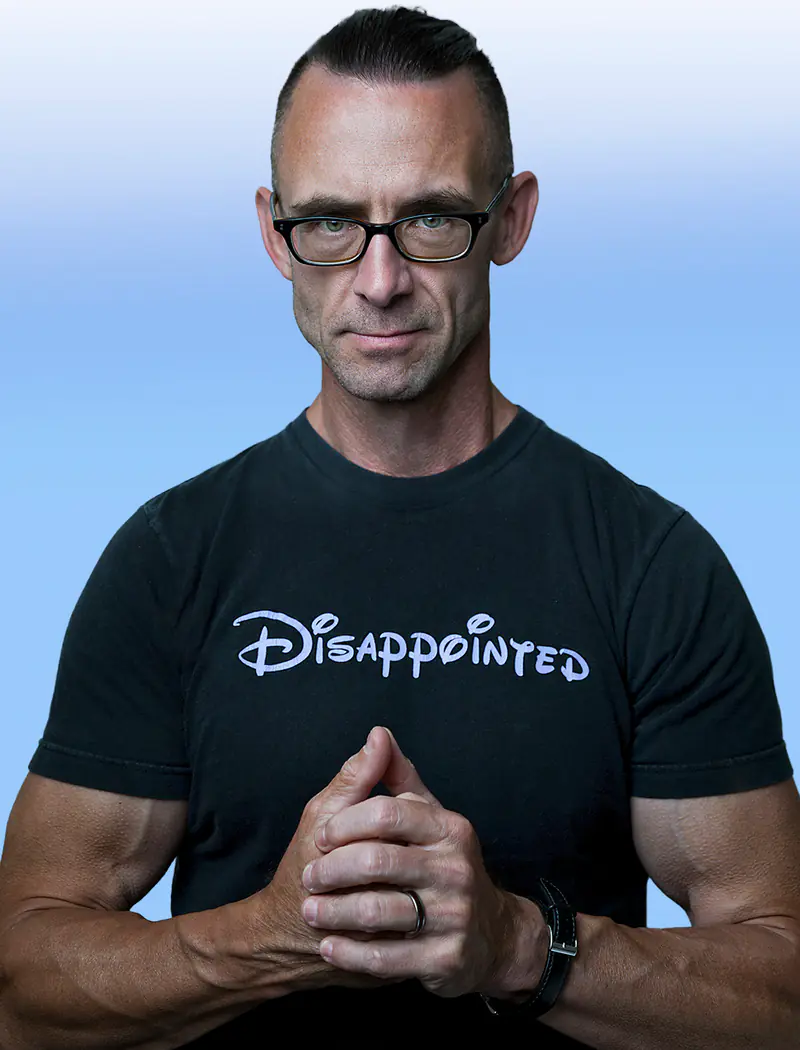
| 43 Quotes | |
| Born as | Charles Michael Palahniuk |
| Occup. | Novelist |
| From | USA |
| Spouse | Mariana Palahniuk |
| Born | February 21, 1962 Pasco, Washington, USA |
| Age | 63 years |
Charles Michael Palahniuk was born on February 21, 1962, in Pasco, Washington, and grew up largely in the small communities of eastern Washington. He spent stretches of his childhood on his maternal grandparents ranch, a setting that exposed him to hard work, spare landscapes, and a practical storytelling tradition. After high school he attended the University of Oregon, earning a degree in journalism. The training sharpened his eye for concise detail, structure, and the cadences of reported speech, elements that would later mark his fiction.
From Journalism to Workshop and Workbench
After college he worked briefly in journalism before changing course, moving to the Portland, Oregon area and taking a job with a major truck manufacturer. There he worked as a diesel mechanic and technical writer, producing service manuals and diagnosing problems on shop floors. The contrast between blue-collar routines and his growing literary ambition would become one of the working tensions in his early career. In Portland he joined the writing workshop led by novelist Tom Spanbauer, who advocated a stripped-down, voice-driven approach sometimes called Dangerous Writing. Palahniuk has credited Spanbauer and minimalist masters such as Amy Hempel with shaping his approach to scene, rhythm, and the charged omission.
Breakthrough with Fight Club
Palahniuk wrote a short story that became the seed of his first published novel, Fight Club (1996). The book presented a corrosive, darkly comic vision of consumer culture and identity, using a spare, propulsive style built from repetition, punchy imagery, and monologue-like confession. In 1999, director David Fincher adapted the novel for film, with a screenplay by Jim Uhls and performances by Brad Pitt, Edward Norton, and Helena Bonham Carter. Though divisive on release, the film acquired a major following and turned the novel into a cultural touchstone, bringing Palahniuk wide recognition.
Expanding the Oeuvre
He rapidly followed Fight Club with a string of novels that solidified a distinctive voice: Survivor and Invisible Monsters in 1999, Choke (2001), Lullaby (2002), Diary (2003), Haunted (2005), Rant (2007), Snuff (2008), Pygmy (2009), Tell-All (2010), Damned (2011), Doomed (2013), and Beautiful You (2014). Later works included the story collection Make Something Up (2015), Adjustment Day (2018), The Invention of Sound (2020), and Not Forever, But For Now (2023). He also returned to his most famous creation in comics form with Fight Club 2 (2015) and Fight Club 3 (2019), collaborating with artist Cameron Stewart and Dark Horse Comics. Choke was adapted for film in 2008, directed by Clark Gregg and starring Sam Rockwell, extending his crossover presence beyond the Fight Club phenomenon.
Nonfiction, Place, and Community
Alongside fiction, Palahniuk published nonfiction that mapped his adopted city and explored his curiosities: Fugitives and Refugees: A Walk in Portland, Oregon (2003) and the essay collection Stranger Than Fiction (2004). He later distilled years of teaching and touring into Consider This: Moments in My Writing Life after Which Everything Was Different (2020), a craft book that credits mentors and codifies techniques he demonstrated live. He cultivated a large online readership and workshop community around his website, where he discussed process and offered guidance, extending the ethos he learned from Tom Spanbauer to new writers.
Public Readings and Persona
Palahniuk became known for theatrical readings, often staging events with props, gifts, and elaborate setups. His performance of the story Guts from Haunted is notorious for causing audience members to faint; he used the episodes to talk about the power of pacing, imagery, and audience expectation. The contrast between his genial, often playful stage presence and the severity of his subjects reinforced his reputation as a storyteller committed to catharsis through shock, humor, and empathy.
Personal Tragedy and Its Echoes
In 1999, Palahniuk faced profound personal loss when his father was murdered alongside his partner by the partner's former spouse. The ensuing trial and its ethical complexities deeply affected him. He has spoken about writing Lullaby during that period and about how questions of responsibility, consequence, and grief entered his work with renewed force. The event, while private, forms part of the context in which his later books explore cycles of harm and the costs of revenge.
Identity and Privacy
Palahniuk has identified publicly as gay and has also spoken about the challenges of maintaining privacy while navigating fandom and media attention. Long based in the Pacific Northwest, he has balanced an intense touring schedule with periods of quiet work, often declining to foreground his personal life beyond what his books and appearances require. The geography of Oregon and Washington, along with Portland's art scenes and countercultural groups, has provided a recurring backdrop to his nonfiction and to the communities that rallied around his work.
Themes, Methods, and Influence
His fiction is frequently labeled transgressive, but its recurring methods are formal: choral refrains, looping structures, lists that accelerate into revelation, and narrators whose confessions double as performances. He is drawn to the pressures of late-capitalist life, the performance of masculinity, body horror, and the urge to belong. In interviews and classes he has cited techniques such as establishing authority through precise detail, building scenes around physical tasks, and rewarding readers with payoffs that echo planted images. The influence of his style is visible in contemporary writers who blend satire with intimacy, and in filmmakers and artists who adapted or referenced his narrative tropes. Collaborators and interpreters like David Fincher, Jim Uhls, Brad Pitt, Edward Norton, Helena Bonham Carter, Clark Gregg, Sam Rockwell, and Cameron Stewart have helped carry his work into other mediums.
Later Career and Resilience
In the late 2010s he publicly disclosed that a bookkeeper at his former literary agency had embezzled funds, creating serious financial turmoil; the individual was later convicted. Palahniuk used the episode to discuss transparency in publishing while continuing to write and teach. His craft book, ongoing novels, and comics projects show a willingness to shift forms while preserving voice. He remains an American novelist whose career spans journalism, repair bays, workshops, and stages, and whose body of work has challenged readers to confront discomfort in search of connection.
Our collection contains 43 quotes who is written by Chuck, under the main topics: Witty One-Liners - Ethics & Morality - Truth - Love - Meaning of Life.
Chuck Palahniuk Famous Works
- 2008 Snuff (Novel)
- 2007 Rant (Novel)
- 2005 Haunted (Novel)
- 2003 Diary (Novel)
- 2002 Lullaby (Novel)
- 2001 Choke (Novel)
- 1999 Invisible Monsters (Novel)
- 1999 Survivor (Novel)
- 1996 Fight Club (Novel)
Source / external links