
Chuck Zito Biography Quotes 19 Report mistakes
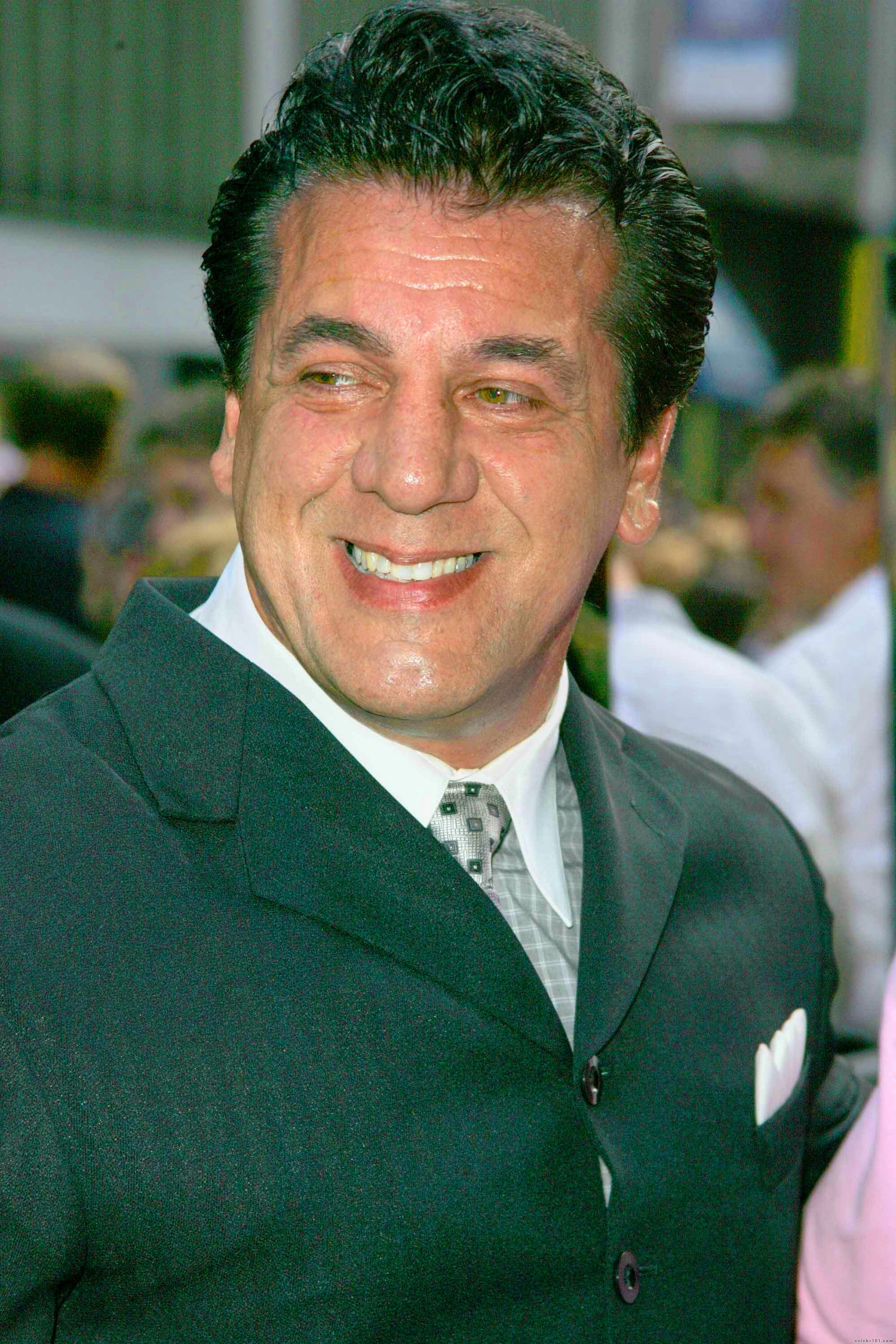
| 19 Quotes | |
| Born as | Charles Zito Jr. |
| Occup. | Celebrity |
| From | USA |
| Born | March 1, 1953 New York, USA |
| Age | 73 years |
| Cite | |
Citation Formats
APA Style (7th ed.)
Chuck zito biography, facts and quotes. (2026, February 11). FixQuotes. https://fixquotes.com/authors/chuck-zito/
Chicago Style
"Chuck Zito biography, facts and quotes." FixQuotes. February 11, 2026. https://fixquotes.com/authors/chuck-zito/.
MLA Style (9th ed.)
"Chuck Zito biography, facts and quotes." FixQuotes, 11 Feb. 2026, https://fixquotes.com/authors/chuck-zito/. Accessed 7 Mar. 2026.
Early Life and Background
Charles "Chuck" Zito Jr. was born on March 1, 1953, in New York City, into a postwar America where ethnicity, neighborhood codes, and physical toughness still carried social currency. Raised in the Bronx, he came of age as the city shifted from mid-century confidence to the turbulence of the 1960s and 1970s - a period marked by rising street crime, political disillusionment, and a new celebrity culture that blurred the line between notoriety and fame.Even before he became a public figure, Zito was shaped by a world that rewarded presence: the ability to project strength, claim space, and absorb conflict without flinching. That instinct would later translate into the two identities he became known for - enforcer and entertainer - and it also fueled a lifelong interest in organizations with strict hierarchies and codes of loyalty, especially those built around motorcycles, brotherhood, and reputation.
Education and Formative Influences
Zito's formal education did not define him as much as apprenticeship in physical disciplines and subcultural worlds did: boxing gyms, bouncer work, and the Bronx's street sociology, where social rank was negotiated daily. He trained as a boxer and later became a bodyguard, learning the tactical patience of controlled violence - not constant aggression, but calibrated force, deployed to protect a person, a boundary, or a principle. In the broader American landscape, outlaw biker imagery was simultaneously demonized by law enforcement and glamorized by films, and Zito absorbed both narratives, understanding that legend could be constructed as much through media as through deeds.Career, Major Works, and Turning Points
Zito moved from security work into a more visible orbit through celebrity bodyguarding and acting, later appearing in film and television and leveraging his persona as a credible "tough guy" with real-world provenance. He became associated publicly with the Hells Angels Motorcycle Club and rose to prominence within that mythology, while also serving as a recognizable face in tabloid-era New York, where nightlife, sports, and entertainment overlapped. A major turning point came when his name became inseparable from the public's fascination with outlaw organizations and their internal codes, a fascination he addressed directly in memoir and commentary, most notably through his autobiography Street Justice, which positioned him as both participant and narrator - a man insisting on the difference between individual misconduct and institutional identity.Philosophy, Style, and Themes
Zito's worldview is built on two tensions he rarely tries to soften: violence as a tool and loyalty as a moral system. He speaks as someone who has lived inside institutions that outsiders treat as monoliths, and his rhetoric often aims to reclaim complexity from caricature. “Now as far as the organization selling drugs, no. Individuals selling drugs is something else”. The sentence is less a legal defense than a psychological boundary: Zito divides the world into the collective and the personal, insisting that brotherhood is an idea that can be sullied by individuals without being identical to them.His style is blunt, documentary, and steeped in origin stories - the kinds of narratives that justify why a code exists and why it must be obeyed. “So from an angry lawman's mouth, the Outlaw Motorcyclists were born”. He frames outlaw identity as reactive, not merely deviant - forged by conflict with authority and then sustained by shared memory. He also reads mobility as freedom and legitimacy, a way to step between worlds without surrendering any of them. “See, I'm fortunate that I get around a lot because of my movie business”. Underneath the brag is a confession of dual belonging: the screen gives him access, and access feeds the mythology.
Legacy and Influence
Chuck Zito endures as a case study in late-20th-century American masculinity and media: a man who turned lived credibility into celebrity while trying to keep control of the story. For some, he is a cautionary emblem of glamorized violence; for others, he is an articulate insider who insists that real loyalty is not a slogan but a daily discipline. His influence persists in the way modern pop culture markets "authentic" toughness - in memoirs, podcasts, and crime-adjacent celebrity - and in how Zito's life continues to be used as a lens on the porous border between subculture, crime mythology, and entertainment fame.Our collection contains 19 quotes written by Chuck, under the main topics: Witty One-Liners - Motivational - Justice - Never Give Up - Friendship.
Source / external links