
Clare Boothe Luce Biography Quotes 31 Report mistakes
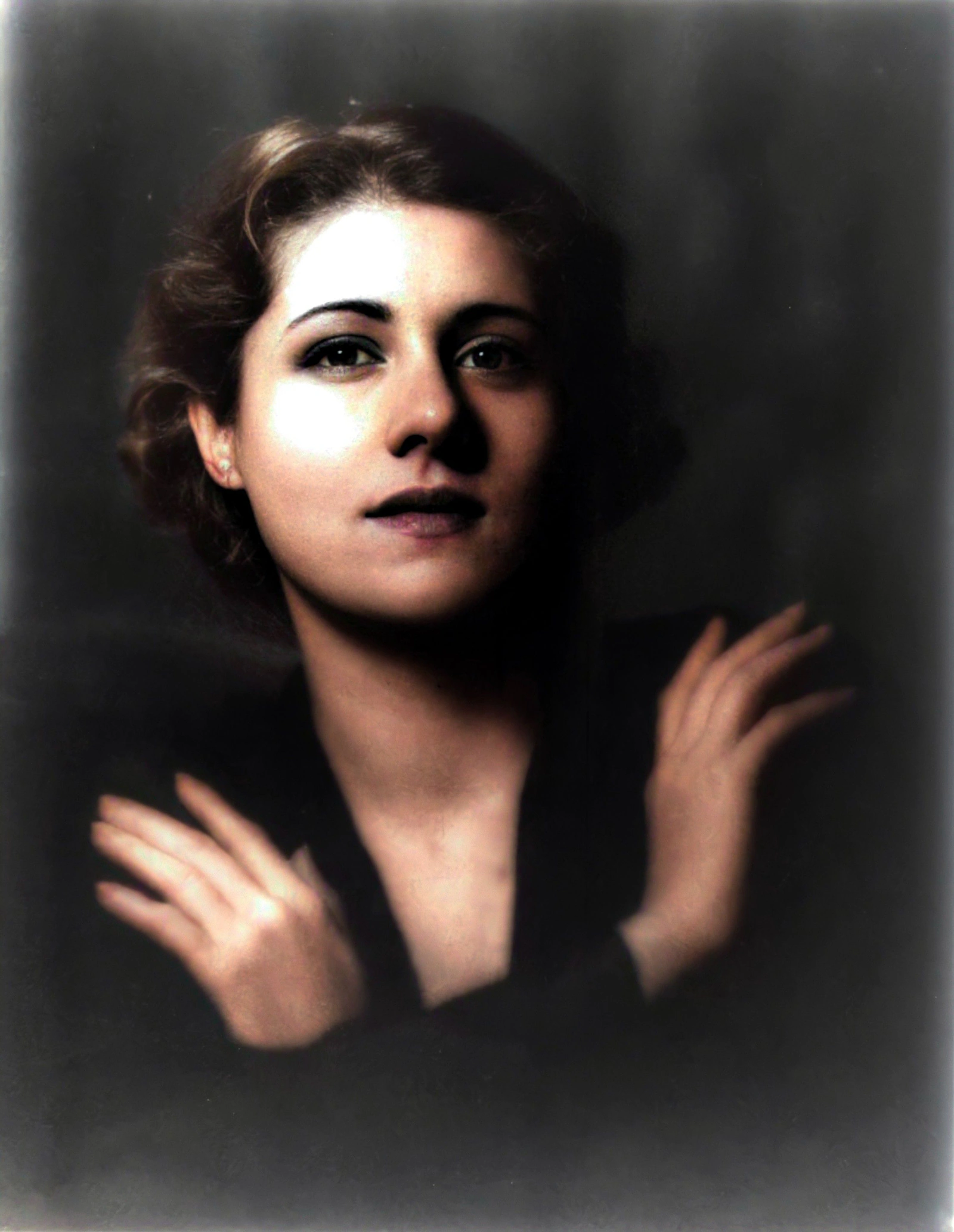
Attr: Arnold Genthe
| 31 Quotes | |
| Born as | Ann Clare Boothe |
| Occup. | Dramatist |
| From | USA |
| Born | April 10, 1903 New York City, USA |
| Died | October 9, 1987 Washington, D.C., USA |
| Cause | Brain cancer |
| Aged | 84 years |
| Cite | |
Citation Formats
APA Style (7th ed.)
Clare boothe luce biography, facts and quotes. (2026, February 11). FixQuotes. https://fixquotes.com/authors/clare-boothe-luce/
Chicago Style
"Clare Boothe Luce biography, facts and quotes." FixQuotes. February 11, 2026. https://fixquotes.com/authors/clare-boothe-luce/.
MLA Style (9th ed.)
"Clare Boothe Luce biography, facts and quotes." FixQuotes, 11 Feb. 2026, https://fixquotes.com/authors/clare-boothe-luce/. Accessed 25 Mar. 2026.
Early Life and Background
Ann Clare Boothe was born on April 10, 1903, in New York City, into a peripatetic, performance-tinged childhood that trained her early in reinvention. Her parents were William Franklin Boothe and Ann Clare Snyder; the family lived with periodic instability, and Boothe later described a youth shaped by charm deployed as strategy. She learned to read rooms quickly, to treat wit as armor, and to imagine adulthood not as inheritance but as something to be seized.The era that formed her was the United States in fast transition: Progressive reform on the streets, mass media in the parlors, and new freedoms for women shadowed by old expectations. Boothe came of age as the stage and the magazine masthead became new ladders of status. That double world - public spectacle and private calculation - would define her interior life: hungry for excellence and recognition, wary of dependence, and always attentive to the power dynamics inside love, marriage, and ambition.
Education and Formative Influences
Boothe attended several schools, including the Cathedral School of St. Mary in Garden City, Long Island, and studied briefly at the Art Students League of New York. More decisive than formal credentials was her apprenticeship in observation: theater, journalism, and politics became her real curriculum. The sharp tempo of New York in the 1920s and her early exposure to performance taught her how lines land, how audiences judge, and how a persona can be engineered without fully betraying the self behind it.Career, Major Works, and Turning Points
She began as a writer in the magazine world, moving through fashion and editorial work and ultimately rising at Conde Nast; by the 1930s she was an editor at Vanity Fair, where she refined the compact, insinuating style that later powered her plays and political prose. In 1935 she married publisher Henry R. Luce of Time and Life, a union that amplified her platform while intensifying the tensions between partnership and autonomy that she dramatized. Her Broadway breakthrough came with "The Women" (1936), a caustic, all-female panorama of class, cruelty, and social performance that proved she could translate magazine society into stage mechanism. During World War II she became a prominent war correspondent, and after the war she entered electoral politics, serving as a Republican member of Congress from Connecticut (1943-1947). Later, as US ambassador to Italy (1953-1956), she navigated Cold War pressures and Italian domestic instability with a talent for headline clarity and backstage leverage. Personal catastrophe also shaped her trajectory: the death of her daughter Ann Brokaw in 1944 sharpened a spiritual seriousness that eventually drew her toward Catholicism and a more explicit moral vocabulary.Philosophy, Style, and Themes
Luce wrote like someone who believed that surfaces are never merely decorative - they are battlegrounds. Her comedy is engineered, not casual; it uses speed and polish to expose what polite speech hides: envy, bargaining, desire for status, and fear of abandonment. Again and again she returned to the emotional economics of modern life, especially for women trying to remain sovereign inside systems built to reward dependence. “A woman's best protection is a little money of her own”. In her work and in her life, that sentence is not a slogan but a psychological confession: she understood security as something earned and defended, not granted.Her aphorisms also reveal a mind distrustful of resignation and allergic to the moral laziness of shrugging. “There is nothing harder than the softness of indifference”. The line reads like a self-indictment as much as a social diagnosis, the fear that numbness - in marriage, in politics, in grief - is the true defeat. And because she was both insider and critic of power, she aimed her wit upward at the self-dramatizing of public men. “Politicians talk themselves red, white, and blue in the face”. The joke works because she had lived the performance from within Congress and diplomacy; her themes are therefore less about ideology than about character under lights - how people lie to themselves, how they barter principles for applause, and how a disciplined intelligence can still be wounded by love and loss.
Legacy and Influence
Clare Boothe Luce died on October 9, 1987, leaving a legacy unusual in its range: a major American stage success, a formidable body of political writing and public service, and a persona that anticipated the media-savvy public intellectual. "The Women" endures as a repertory staple and a template for ensemble satire about gender, status, and social cruelty; her congressional career and ambassadorship remain case studies in midcentury conservative internationalism; and the Clare Boothe Luce Program, supporting women in science and engineering, extends her central conviction that talent needs leverage. Her enduring influence lies in the candor of her diagnosis: that modern life is negotiation, and that wit - when sharpened into craft - can tell the truth without begging permission.Our collection contains 31 quotes written by Clare, under the main topics: Witty One-Liners - Ethics & Morality - Sarcastic - Freedom - Hope.
Other people related to Clare: Henry R. Luce (Editor)
Source / external links