
Clarence Day Biography Quotes 14 Report mistakes
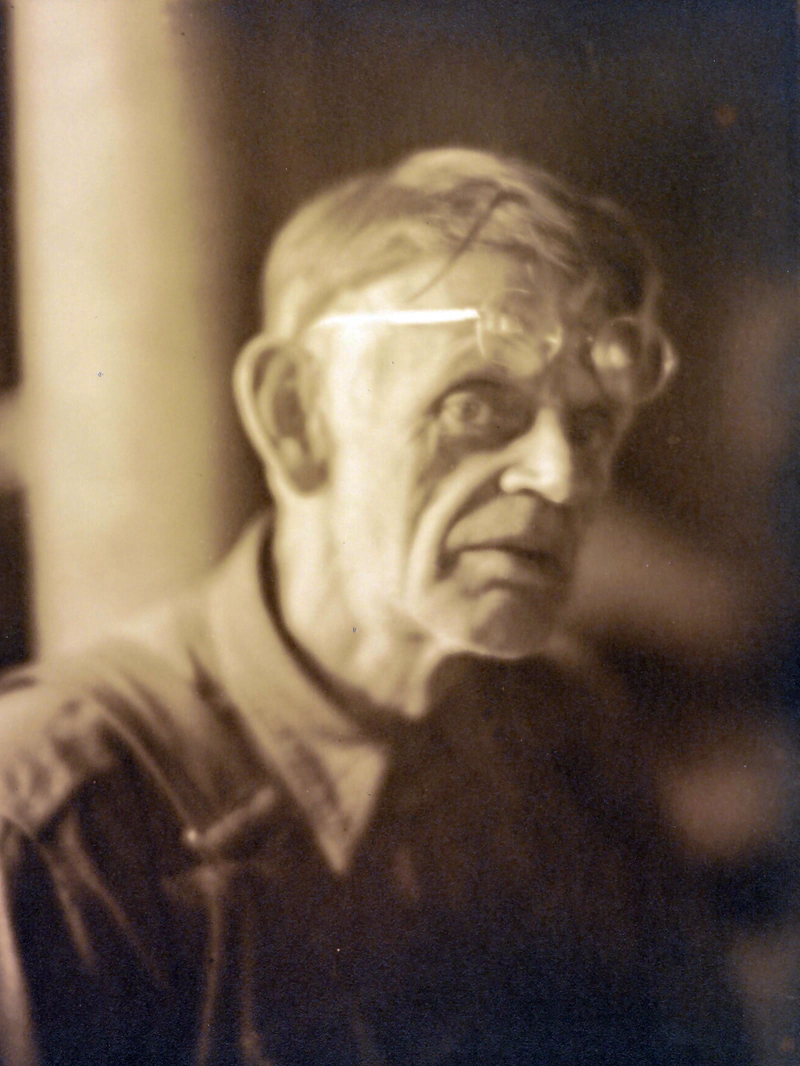
| 14 Quotes | |
| Born as | Clarence Shepard Day Jr. |
| Occup. | Author |
| From | USA |
| Born | November 18, 1874 Brooklyn, New York, USA |
| Died | December 28, 1935 New York City, New York, USA |
| Aged | 61 years |
| Cite | |
Citation Formats
APA Style (7th ed.)
Clarence day biography, facts and quotes. (2026, February 11). FixQuotes. https://fixquotes.com/authors/clarence-day/
Chicago Style
"Clarence Day biography, facts and quotes." FixQuotes. February 11, 2026. https://fixquotes.com/authors/clarence-day/.
MLA Style (9th ed.)
"Clarence Day biography, facts and quotes." FixQuotes, 11 Feb. 2026, https://fixquotes.com/authors/clarence-day/. Accessed 5 Mar. 2026.
Early Life and Background
Clarence Shepard Day Jr. was born on November 18, 1874, in New York City, a child of the American upper-middle class during the Gilded Age, when new fortunes, old manners, and a fast-rising professional elite jostled in Manhattan. His father, Clarence Shepard Day Sr., worked in finance and embodied the disciplined, clubbable authority that Day would later immortalize with affectionate mischief; his mother, Lavinia, presided over a household where propriety, wit, and emotional restraint were daily practice. Day grew up among brownstones, servants, and the unspoken rules of "good" families - a world secure enough to be gently mocked, and rigid enough to leave sensitive observers hungry for air.From early on he had a double vision: participant and critic. Illness and temperament made him introspective, but he was also amused by human theater, especially the small hypocrisies that respectable people commit without noticing. The New York he watched was changing - immigration, industrial labor, and modern mass culture pressed against older Anglo-American habits - and Day learned that comedy could be a way to speak truth without breaking the social contract. This blend of loyalty and skepticism became the emotional engine of his later work.
Education and Formative Influences
Day studied at Yale, graduating in 1896, and absorbed both the classical ideal of cultivated intelligence and the late-19th-century fascination with scientific explanation and social theory. He later pursued graduate study in economics at Columbia, and his intellectual formation mixed bookish rigor with a reporter's eye for lived behavior. The period's debates over progress, efficiency, and "modern" life sharpened his sense that people are less ruled by doctrines than by habit, family precedent, and the desire to appear reasonable. Yale's conversation culture and Columbia's analytic training helped him develop the essayist's stance - curious, amused, exacting - that would become his signature.Career, Major Works, and Turning Points
Day worked in publishing and wrote essays and verse before turning to the autobiographical family sketches that made him famous. A crucial turning point came in the early 1920s when he began composing the linked vignettes of "Father" and domestic life that appeared in The New Yorker and elsewhere, then gathered as God and My Father (1926) and Life with Father (1935). These books distilled his childhood into scenes of ritual, argument, and reconciliation - not nostalgia as perfume, but memory as moral inquiry. After his death on December 28, 1935, the material gained a second life: Life with Father became a major Broadway hit (1939) and later a popular film (1947), transforming Day's private family comedy into a national emblem of turn-of-the-century bourgeois America.Philosophy, Style, and Themes
Day wrote as an essayist-dramatist in miniature: brisk scenes, quick dialogue, and an undercurrent of analysis that never crushed the joke. His comedy depends on temperament rather than punch lines - the sense that people do not change by argument, but by weather, fatigue, pride, and love. That belief surfaces in his dry realism about human motivation: “Reason is the servant of instinct”. In Day's world, the father's bluster, the mother's tact, and the children's maneuvers are not defects to be corrected by ideology; they are the living gears of family survival, and the only humane response is close attention.Behind the laughter is a stoic acceptance, shaped by personal fragility and by an era that had watched confidence collide with world war and social upheaval. Day's domestic battles end not in triumph but in accommodation, echoing his maxim, “We must make the best of those ills which cannot be avoided”. He also distrusted thin, abstract knowing, preferring intelligence tempered by felt life - “Information's pretty thin stuff unless mixed with experience”. That line captures his art: he takes the "facts" of class, manners, and masculinity, then melts them into experience until they reveal a warmer truth - that affection often hides inside irritation, and that authority can be both ridiculous and sincerely protective.
Legacy and Influence
Day's enduring influence lies in how he made the American family a serious subject without solemnity, turning the drawing room and the dinner table into arenas where character, power, and love are tested. His "Father" helped define the modern comic archetype of the well-meaning patriarch baffled by the very household he rules, and his lightly worn erudition set a model for urbane personal writing that prizes clarity over display. If later audiences sometimes mistook his world for a quaint museum piece, writers and historians have continued to value his work as a precise social document of privileged New York at the hinge between the Victorian and the modern - and as a psychological portrait of how people negotiate authority by joking, yielding, and, in the end, staying together.Our collection contains 14 quotes written by Clarence, under the main topics: Witty One-Liners - Ethics & Morality - Nature - Writing - Resilience.
Other people related to Clarence: Howard Lindsay (Producer)