
Colin Chapman Biography Quotes 1 Report mistakes
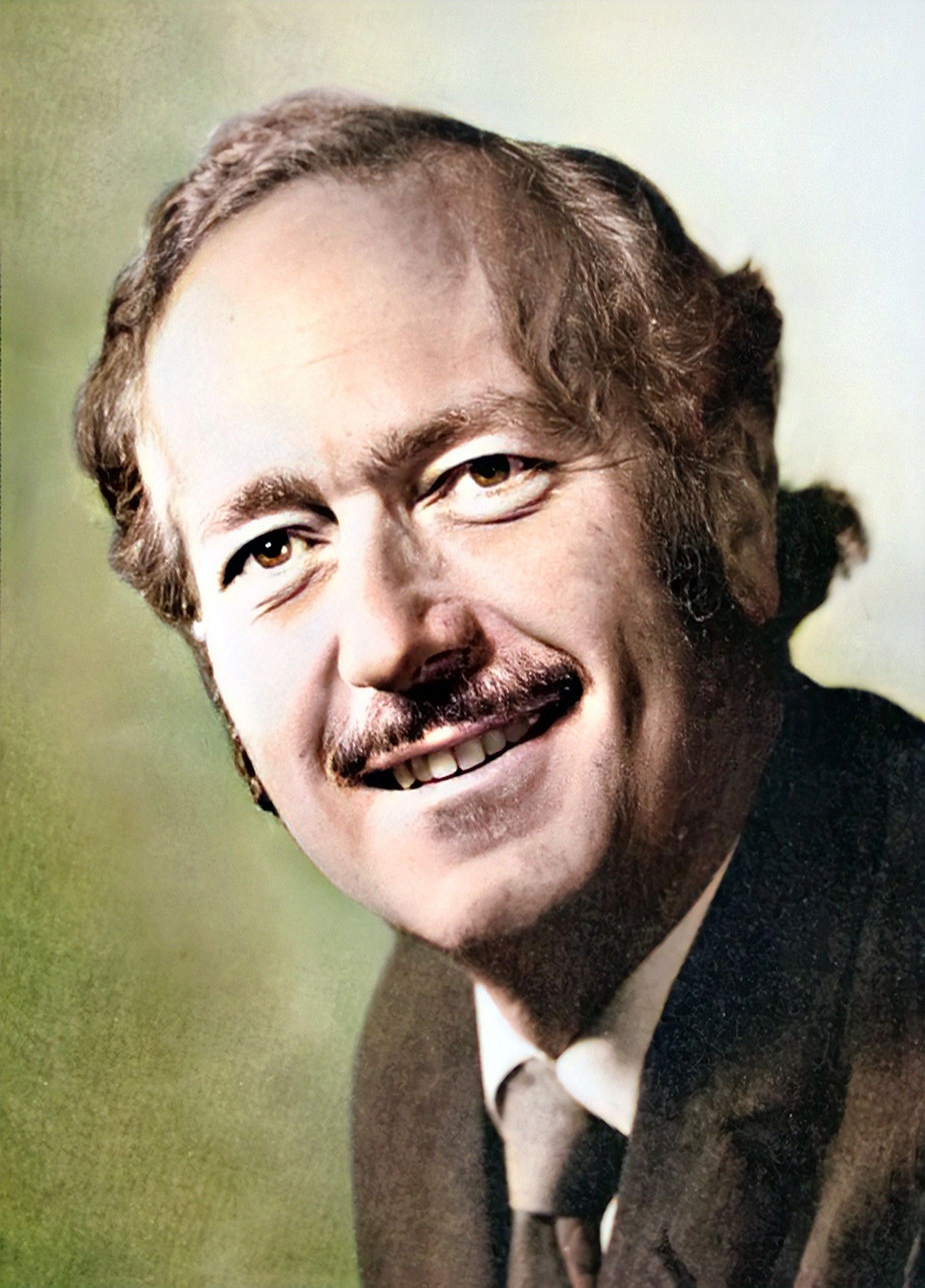
| 1 Quotes | |
| Born as | Anthony Colin Bruce Chapman |
| Occup. | Inventor |
| From | England |
| Born | May 9, 1928 Richmond, London |
| Died | December 16, 1982 |
| Aged | 54 years |
| Cite | |
Citation Formats
APA Style (7th ed.)
Colin chapman biography, facts and quotes. (2026, February 11). FixQuotes. https://fixquotes.com/authors/colin-chapman/
Chicago Style
"Colin Chapman biography, facts and quotes." FixQuotes. February 11, 2026. https://fixquotes.com/authors/colin-chapman/.
MLA Style (9th ed.)
"Colin Chapman biography, facts and quotes." FixQuotes, 11 Feb. 2026, https://fixquotes.com/authors/colin-chapman/. Accessed 28 Mar. 2026.
Early Life and Background
Anthony Colin Bruce Chapman was born on May 9, 1928, in Richmond, Surrey, England, into an interwar Britain where engineering ambition met postwar austerity. His father ran the Railway Hotel in Hornsey, north London, and also kept a small engineering sideline that exposed Chapman early to the practical realities of machines, customers, and cash flow. He grew up as the country moved from the Depression through World War II and into rationing and reconstruction - a period that taught a generation to do more with less, a lesson Chapman would later elevate into doctrine.As a teenager he was drawn to speed and mechanical ingenuity rather than the comfortable rhythms of family business. The London of his youth was rebuilding roads and industry while young men returned from service hungry for modernity; Chapman belonged to the first cohort to treat the automobile as both laboratory and personal identity. Friends and rivals later recalled the mix that made him formidable: charm, impatience with convention, and a confidence that design could out-think raw resources.
Education and Formative Influences
Chapman studied structural engineering at University College London, training that sharpened his sense of load paths, stiffness, and the relationship between strength and weight. He joined the University Air Squadron and absorbed aviation thinking, where grams mattered and failures were unforgiving. That blend - structural calculation, aeronautical pragmatism, and amateur motorsport - primed him to see racing cars not as heavy road vehicles adapted for competition, but as purpose-built structures whose performance came from intelligent lightness.Career, Major Works, and Turning Points
In 1952 Chapman founded Lotus Engineering and soon Lotus Cars, building early specials for trials and club racing and then roadgoing sports cars. The Lotus Seven (1957) distilled his philosophy into a minimalist, accessible kit; the Elite (1957) pioneered a fiberglass monocoque; and the Elan (1962) married a light backbone chassis with everyday usability, reshaping the idea of a nimble British sports car. His greatest public stage was Formula One: Team Lotus won multiple world championships (drivers including Jim Clark, Graham Hill, Jochen Rindt, and later Mario Andretti) and introduced defining innovations such as the first widely successful stressed-engine chassis with the Lotus 49 (1967), ground-effect aerodynamics with the Lotus 79 (1978), and disruptive sponsorship and branding strategies that changed how racing was financed. Chapman also pushed into the Indianapolis 500, winning in 1965 with Clark and proving that European design could conquer American ovals. His later years were marked by ambitious road cars like the Esprit and by controversy around the DeLorean affair; he died suddenly on December 16, 1982, leaving projects midstream and debates about his methods unresolved.Philosophy, Style, and Themes
Chapman is best understood as an inventor of structures and systems, not merely a builder of fast cars. His guiding idea - that performance is most reliably created by subtracting weight and rethinking load-bearing - came from engineering first principles and a competitive temperament that treated every component as negotiable. He favored elegant solutions that made one part do the work of two, turning the chassis into a stressed member, the engine into a structural element, and airflow into a source of grip rather than drag. That same mentality, applied relentlessly, could produce brilliance and fragility in equal measure: Lotus cars often felt alive and precise, yet critics argued that pushing the margins invited mechanical risk, an ethical question in a sport where failure could be fatal.The inner life behind the innovations reads as a tension between playfulness and evasion. Chapman's public persona was witty, social, and disarming, yet he also cultivated distance - from domestic routine, from bureaucratic scrutiny, from limits imposed by tradition. He joked, “The secret of a successful marriage is not to be at home too much”. Taken as humor, it signals a man who metabolized pressure through movement and distraction; taken as self-portrait, it hints at a preference for velocity over stillness and for the workshop or paddock over the private costs of ambition. In Lotus design, that psychology appears as restlessness: each solution was provisional, a step toward the next, with ingenuity sometimes used to outrun problems rather than patiently eliminate them.
Legacy and Influence
Chapman left a template for modern race-car engineering: lightweight structures, integrated chassis-and-powertrain thinking, and the idea that aerodynamics and packaging are inseparable from speed. Lotus road cars became touchstones for handling purity, influencing generations of sports-car makers and enthusiasts who learned to prize feedback over brute force. At the same time, his career remains a cautionary study in the trade-offs of relentless innovation - how brilliance can coexist with overreach, and how a designer can change an industry while leaving behind arguments about the true cost of winning.Our collection contains 1 quotes written by Colin, under the main topics: Marriage.
Other people related to Colin: Nigel Mansell (Athlete), Emerson Fittipaldi (Celebrity), Bernie Ecclestone (Businessman)
Source / external links