
Corrie ten Boom Biography Quotes 33 Report mistakes
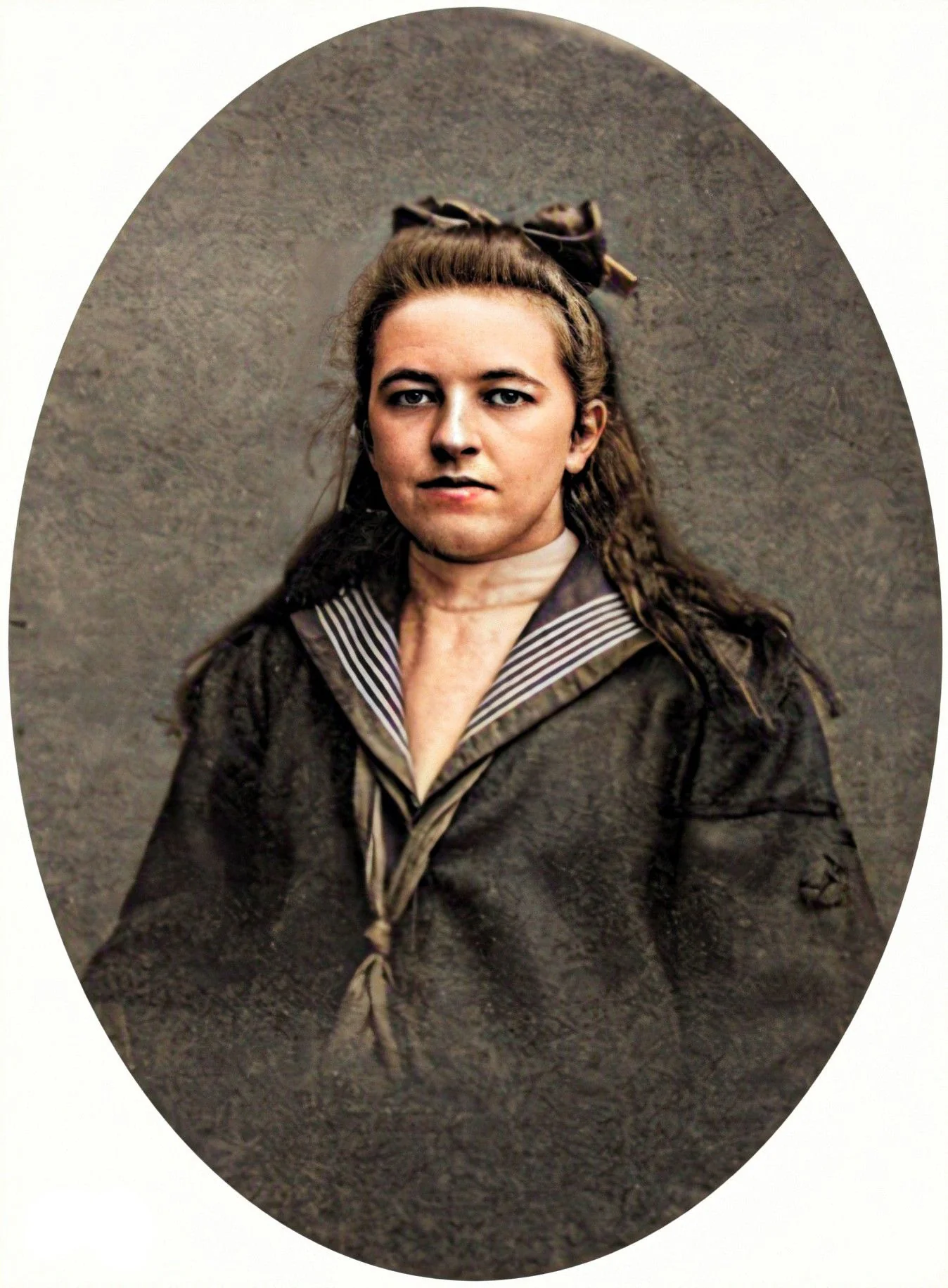
| 33 Quotes | |
| Born as | Cornelia Johanna Arnolda ten Boom |
| Occup. | Celebrity |
| From | Netherland |
| Born | April 15, 1892 Haarlem, Netherlands |
| Died | April 15, 1983 Placentia, California, USA |
| Aged | 91 years |
| Cite | |
Citation Formats
APA Style (7th ed.)
Corrie ten boom biography, facts and quotes. (2026, February 18). FixQuotes. https://fixquotes.com/authors/corrie-ten-boom/
Chicago Style
"Corrie ten Boom biography, facts and quotes." FixQuotes. February 18, 2026. https://fixquotes.com/authors/corrie-ten-boom/.
MLA Style (9th ed.)
"Corrie ten Boom biography, facts and quotes." FixQuotes, 18 Feb. 2026, https://fixquotes.com/authors/corrie-ten-boom/. Accessed 5 Mar. 2026.
Early Life and Background
Cornelia Johanna Arnolda ten Boom was born on April 15, 1892, in Haarlem, the Netherlands, into a devout Dutch Reformed family whose faith was as practical as it was pious. Her father, Casper ten Boom, ran a small watch shop near the Grote Markt, and the home above it became a hive of siblings, customers, Scripture reading, and the quiet discipline of repair work. In a city shaped by commerce and Calvinist sobriety, the Ten Booms lived an older ethic: hospitality without calculation, charity without publicity.Corrie grew up amid the rhythms of gears and springs, and amid an unusually openhearted household that welcomed the poor, the disabled, and those with nowhere else to go. The First World War passed the neutral Netherlands but tightened Europe morally and economically; Corrie watched need multiply, and she learned early that faith could not remain a private comfort. Before the Nazi era gave her courage a public stage, it had already been formed in small acts - listening, giving, and refusing to reduce people to their usefulness.
Education and Formative Influences
Her formal schooling was limited, but her education was apprenticeship and church: the exacting patience of horology, the Bible-soaked speech of Dutch Protestantism, and the daily example of a father whose convictions were gentle yet immovable. In 1922 she became the first licensed female watchmaker in the Netherlands, an achievement that reflected both competence and stubborn independence. Through youth work, outreach clubs for girls, and service to the vulnerable, she developed a practical leadership style - warm, organized, and unromantic about suffering - while absorbing a theology that stressed conscience, providence, and the costly obligation to love ones enemies.Career, Major Works, and Turning Points
The German occupation of the Netherlands in 1940 converted the Ten Boom home into a node of the resistance: the watch shop and living room became a front for sheltering Jews, underground couriers, and those sought by the Gestapo. A hidden room - later known as "the Hiding Place" - was built behind a false wall in Corrie's bedroom. After a betrayal, Corrie, Casper, and her sister Betsie were arrested in February 1944; Casper died shortly after in prison, and Betsie died in Ravensbrueck in December 1944. Corrie was released later that month due to a clerical error and lived in hiding until liberation. After the war she opened rehabilitation homes in the Netherlands for survivors and for those who had collaborated, insisting that healing demanded moral seriousness. Her story became internationally known through her speaking ministry and the bestselling memoir The Hiding Place (with John and Elizabeth Sherrill, 1971), later adapted for film, and through other books such as Tramp for the Lord (1974) and devotional writings that carried her wartime testimony into the Cold War world.Philosophy, Style, and Themes
Ten Boom's inner life was forged at the seam between ordinary craft and extraordinary catastrophe. She spoke plainly, with the cadence of a lay preacher and the realism of someone who had stood in roll call lines, watched typhus spread, and still tried to pray. Her spirituality was never aesthetic; it was a survival discipline that refused both despair and sentimental optimism. That is why her best lines sound like tools: compact, repeatable, meant to be used when the mind is tired and fear is loud.At the center was a rigorous theology of surrender and moral freedom. She treated anxiety as a form of false control, reminding listeners that “Never be afraid to trust an unknown future to a known God”. Her most famous insight into trauma and release came from hard-won practice, not abstraction: “Forgiveness is setting the prisoner free, only to find out that the prisoner was me”. Even her defiance of despair was anchored in the camps, where she learned to measure darkness against something deeper: “There is no pit so deep, that God's love is not deeper still”. These themes - providence, forgiveness, and the discipline of trust - were not presented as easy victories but as choices repeatedly made against memory, grief, and the temptation to hate.
Legacy and Influence
Ten Boom died on April 15, 1983, her 91st birthday, after decades spent turning private suffering into public responsibility. In the Netherlands she remains a figure of wartime courage; globally she became a defining Christian witness of the Holocaust era, not as a theologian of systems but as a biographer of conscience. Museums, translations, and continual citation of her words keep her visible, but her deeper influence is ethical: she helped many readers imagine resistance not as heroics but as fidelity in small rooms, and she insisted that survival without forgiveness can become another prison.Our collection contains 33 quotes written by Corrie, under the main topics: Faith - Forgiveness - Anxiety - God - Legacy & Remembrance.
Frequently Asked Questions
- Corrie ten Boom movies: "The Hiding Place" was adapted into a feature film released in 1975. A television film adaptation titled "The Hiding Place" also aired in 1988.
- Corrie ten Boom husband: She never married. No husband is recorded in her biographies.
- How did Corrie ten Boom die: She died after a stroke. She passed away in Placentia, California, on April 15, 1983.
- What religion was Corrie ten Boom: She was a Christian and was raised in the Dutch Reformed tradition. Her public speaking and writing centered on Christian teachings, especially forgiveness.
- Corrie ten Boom The Hiding Place: "The Hiding Place" is a 1971 memoir co-written with John and Elizabeth Sherrill that recounts her family hiding Jews during World War II. It also describes her imprisonment in Nazi concentration camps and her Christian faith.
- Corrie ten Boom books: She wrote several books, including the memoir "The Hiding Place" (1971) and "Tramp for the Lord" (1974). Her writings focus on faith, wartime experiences, and forgiveness.
- How old was Corrie ten Boom? She became 91 years old
Source / external links