
Craig Bruce Biography Quotes 44 Report mistakes
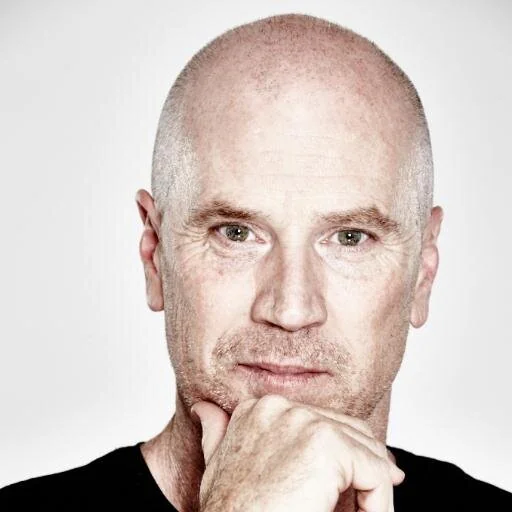
| 44 Quotes | |
| Occup. | Writer |
| From | Australia |
| Born | November 22, 1963 Melbourne, Australia |
| Age | 62 years |
| Cite | |
Citation Formats
APA Style (7th ed.)
Craig bruce biography, facts and quotes. (2026, February 11). FixQuotes. https://fixquotes.com/authors/craig-bruce/
Chicago Style
"Craig Bruce biography, facts and quotes." FixQuotes. February 11, 2026. https://fixquotes.com/authors/craig-bruce/.
MLA Style (9th ed.)
"Craig Bruce biography, facts and quotes." FixQuotes, 11 Feb. 2026, https://fixquotes.com/authors/craig-bruce/. Accessed 12 Feb. 2026.
Early Life and Background
Craig Bruce was born on November 22, 1963, in Australia, coming of age in a period when the country was renegotiating its cultural self-image after the postwar boom and amid the long shadow of the Cold War. He belonged to the first cohort for whom computers were not only distant institutional machines but increasingly domestic and conversational objects - first glimpsed in schools, libraries, and hobbyist spaces, then carried home in magazines, kits, and the rhetoric of a coming "information age". That generational timing matters: his later aphorisms read like the compressed wit of someone who watched technological optimism harden into bureaucratic reality.Little about his private family history is reliably documented in public sources, and he has remained comparatively elusive as a conventional, publicity-seeking literary figure. Yet his public voice - terse, dry, and structurally skeptical - suggests an inner life shaped by systems: how people justify decisions, how institutions talk about themselves, and how tools meant to clarify often multiply confusion. In that sense, his background is legible less through memoir than through temperament: an Australian plainspokenness sharpened into a portable philosophy for programmers, managers, and ordinary readers living under increasing technical complexity.
Education and Formative Influences
Specific, verifiable details of Bruce's formal education are scarce, but his work implies deep familiarity with the culture of computing and the logic of engineering argument - the kinds of mental habits formed by technical training, extensive self-study, or both. His formative influences appear to include the late-20th-century collision of humanism and machinery: the rise of personal computing, the professionalization of software development, and the spread of corporate jargon that promised precision while often avoiding accountability. As Australia integrated more tightly into global technological and economic networks, Bruce's sensibility tracked the human costs of that integration - impatience with cant, suspicion of grand narratives, and a preference for testable reality.Career, Major Works, and Turning Points
Bruce is best known as a writer of epigrams and quotable one-liners that circulated widely in computing folklore, early internet quote collections, and the broader quotation ecosystem, where authorship can be both amplified and blurred. Rather than building a career around a single signature book, he became a recognizable voice through repetition: readers encountered him in fragments, then sought the mind behind the fragments. That mode of reception was itself a turning point - his work thrived in the very medium it critiqued, spreading through digital channels that rewarded brevity, irony, and a certain bitter clarity about modern work.Philosophy, Style, and Themes
Bruce's style is aphoristic and combative in miniature: he compresses a diagnosis into a joke, then lets the reader supply the bruising implications. He treats language as a tool that can either illuminate or anesthetize, and his recurring target is the way modern systems - especially technical ones - encourage people to hide behind process. "Programming" is a four-letter word". Read as psychology, the line is less anti-coding than anti-pretense: it captures the lived truth of brittle deadlines, shifting requirements, and the moral fatigue of being asked to make abstractions behave like promises.A second strand is his suspicion of technological triumphalism, especially the habit of blaming "users" when systems fail. "It's hardware that makes a machine fast. It's software that makes a fast machine slow". The joke contains a worldview: complexity accumulates, incentives distort, and the elegance of a tool can be undone by the social environment that commissions it. Even his softer counsel tends toward stoic realism rather than comfort. "You usually have to wait for that which is worth waiting for". The sentence is patient but not sentimental - an admission that value, whether in craft or character, costs time, and that shortcuts often externalize their costs onto someone else.
Legacy and Influence
Bruce's enduring influence lies in how his lines have functioned as intellectual pocketknives for the digital era: small, sharp, and useful in argument. In technical workplaces, his quips became a vernacular for dissent - a way to name frustration without writing a manifesto, and to puncture managerial metaphors with a single needle. More broadly, he represents a distinct late-20th-century authorship: not the novelist at the podium, but the distributed writer whose reputation travels through networks, quoted and re-quoted because the sentences keep fitting. His legacy is the survival of skepticism itself as a form of care - a reminder that behind every system are people, and behind every promise a bill that someone will eventually have to pay.Our collection contains 44 quotes written by Craig, under the main topics: Witty One-Liners - Wisdom - Truth - Justice - Dark Humor.