
Crystal Eastman Biography Quotes 9 Report mistakes
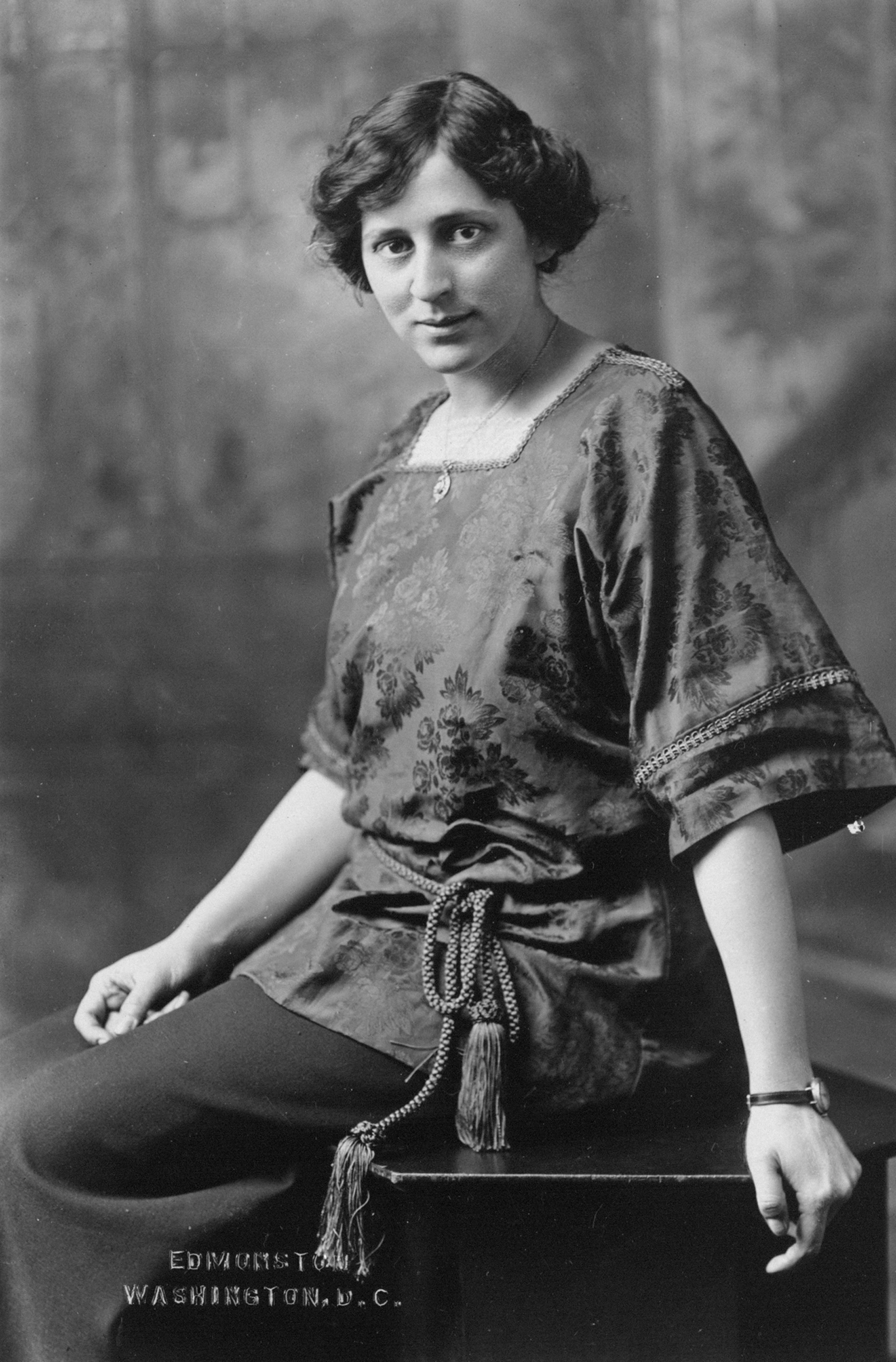
| 9 Quotes | |
| Occup. | Lawyer |
| From | USA |
| Born | June 25, 1881 |
| Died | July 8, 1928 |
| Aged | 47 years |
| Cite | |
Citation Formats
APA Style (7th ed.)
Crystal eastman biography, facts and quotes. (2026, February 11). FixQuotes. https://fixquotes.com/authors/crystal-eastman/
Chicago Style
"Crystal Eastman biography, facts and quotes." FixQuotes. February 11, 2026. https://fixquotes.com/authors/crystal-eastman/.
MLA Style (9th ed.)
"Crystal Eastman biography, facts and quotes." FixQuotes, 11 Feb. 2026, https://fixquotes.com/authors/crystal-eastman/. Accessed 24 Mar. 2026.
Early Life and Education
Crystal Catherine Eastman was born in 1881 in Massachusetts and grew up in a family that joined religious conviction to social reform. Her parents, Rev. Samuel Elijah Eastman and Rev. Annis Bertha Ford Eastman, were Congregationalist ministers, and her mother was among the earliest women ordained in that tradition in the United States. The household moved to Elmira, New York, where the children absorbed a sense of moral responsibility that would shape their adult lives. Crystal's younger brother, Max Eastman, later a noted writer and editor, was a lifelong ally in radical causes. Crystal attended Vassar College, graduating in 1903, earned a master's degree in sociology from Columbia University in 1904, and then completed a law degree at New York University in 1907, finishing near the top of her class. Admitted to the New York bar, she combined legal training with social-science methods, a blend that became her signature.Investigative Reform and Labor Law
In the Progressive Era she joined journalist Paul U. Kellogg's landmark Pittsburgh Survey, applying fieldwork and legal analysis to industrial accidents. Her volume, Work Accidents and the Law (1910), documented the human cost of steel and rail production and supplied a blueprint for workers' compensation. In New York she served the State Commission on Employers' Liability, appointed during the governorship of Charles Evans Hughes, and became a public voice for replacing fault-based remedies with modern compensation systems. Even when early statutes faced constitutional setbacks, her research circulated among reformers nationwide and informed legislation in states such as Wisconsin and New York. Crystal Eastman's method, careful case studies, statistical evidence, and pragmatic legal drafting, helped reorient American labor law toward prevention and social insurance.Suffrage and Feminism
While building a reputation in labor reform, Eastman took a leadership role in the struggle for woman suffrage. She worked with the Congressional Union for Woman Suffrage and later the National Woman's Party alongside Alice Paul and Lucy Burns, pressing a militant, federal strategy. In New York she helped organize state campaigns that culminated in the 1917 victory granting women the vote there, a step toward the Nineteenth Amendment. After national suffrage was secured, she argued that voting was only the beginning. Her influential essay "Now We Can Begin" laid out a program for equal pay, shared domestic labor, access to childcare, and women's full economic independence. She strongly supported Alice Paul's proposal for an Equal Rights Amendment, insisting that equality under the law must reach employment, marriage, and citizenship.Pacifism and Civil Liberties
Before and during World War I, Eastman helped shape American pacifism and the civil-liberties movement. With Jane Addams, Lillian Wald, Paul Kellogg, and others, she helped organize the American Union Against Militarism, which opposed preparedness and defended dissent. From that group she and Roger Baldwin developed a legal service, the Civil Liberties Bureau, later the National Civil Liberties Bureau, to assist conscientious objectors and protect free speech. In 1920 she was among the founders of the American Civil Liberties Union, working with Baldwin, Norman Thomas, and a wide circle of lawyers, social workers, and journalists. Her work connected the legal rights of protesters, labor organizers, and immigrants to broader democratic principles at a time when the Espionage and Sedition Acts sharply constrained expression.Writing and Editing
Eastman's intellect flourished as much on the page as in the courtroom. She was a prolific essayist for progressive magazines and, with her brother Max, helped shape the editorial voice of The Liberator after wartime suppression closed The Masses. Her essays combined legal insight with vivid reporting, making complex issues, industrial risk, civil liberties, marriage law, legible to a wide readership. Friends and collaborators valued her clarity and wit; she could translate abstract rights into the daily realities of working women and men, and she treated feminism, labor reform, and free speech as interlocking parts of a single democratic project.Personal Life
Crystal Eastman married twice. Her first marriage, to Wallace J. Benedict, ended in divorce. In 1916 she married Walter Fuller, a British editor and organizer who shared her pacifist commitments and collaborated with her on publishing and advocacy. They made a home in New York and spent periods in England, weaving personal life into transatlantic reform networks. The couple raised two children, Jeffrey and Annis, amid the frenetic pace of campaigns, court cases, and editorial deadlines. Family ties were central to her resilience: her parents' example grounded her, and her partnership with Max Eastman offered both intellectual camaraderie and a platform for her writing.Final Years and Death
The 1920s brought both accomplishment and strain. Eastman continued to advocate for the Equal Rights Amendment, workplace protections, and the defense of political dissent, even as the postwar Red Scare chilled radical politics. Balancing motherhood, paid work, and public speaking tours took a physical toll. She died in 1928 in New York after an illness, only forty-seven years old. Her passing cut short a career that had already reshaped several fields.Legacy and Influence
Crystal Eastman's legacy cuts across labor law, feminism, and civil liberties. Her investigative jurisprudence helped institutionalize workers' compensation and workplace safety. As a strategist in the suffrage movement and a prophet of post-suffrage feminism, she insisted that political equality must include economic and domestic freedom. As an organizer of the Civil Liberties Bureau and a founder of the ACLU with Roger Baldwin and others, she helped anchor free speech and conscience rights in American law. Her life knit together a remarkable cast, Jane Addams, Lillian Wald, Alice Paul, Lucy Burns, Norman Thomas, Paul Kellogg, and her brother Max Eastman, illustrating how reform depended on alliances that crossed professions and movements. Though often overshadowed in historical memory, her ideas anticipated later waves of feminist theory and labor-rights advocacy, and her writings still read as a manifesto for a democracy expansive enough to include every worker and every woman.Our collection contains 9 quotes written by Crystal, under the main topics: Witty One-Liners - Justice - Freedom - Equality - Peace.
Source / external links