
Curtis Sliwa Biography Quotes 1 Report mistakes
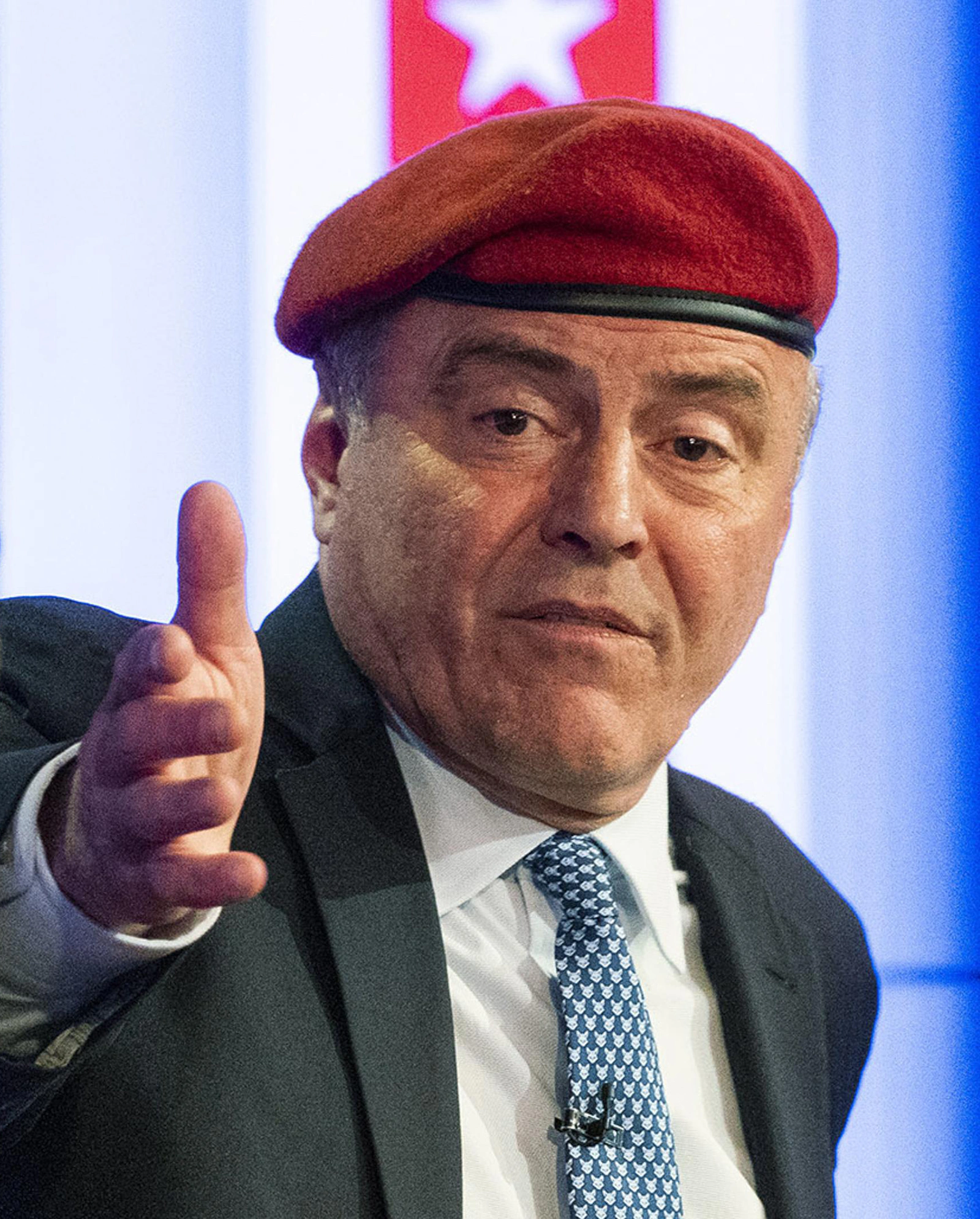
| 1 Quotes | |
| Occup. | Radio host |
| From | USA |
| Spouse | Mary Sliwa |
| Born | March 26, 1954 Brooklyn, New York, USA |
| Age | 72 years |
| Cite | |
Citation Formats
APA Style (7th ed.)
Curtis sliwa biography, facts and quotes. (2026, February 11). FixQuotes. https://fixquotes.com/authors/curtis-sliwa/
Chicago Style
"Curtis Sliwa biography, facts and quotes." FixQuotes. February 11, 2026. https://fixquotes.com/authors/curtis-sliwa/.
MLA Style (9th ed.)
"Curtis Sliwa biography, facts and quotes." FixQuotes, 11 Feb. 2026, https://fixquotes.com/authors/curtis-sliwa/. Accessed 27 Mar. 2026.
Early Life and Background
Curtis Sliwa was born March 26, 1954, in Brooklyn, New York, and came of age in a city straining under postwar change - deindustrialization, fiscal crisis, and street crime that shaped daily life. Raised in a Catholic, working-class environment, he absorbed a neighborhood ethic of vigilance and mutual aid, alongside a rough-edged street literacy that would later become his on-air signature. New York in the late 1960s and 1970s was both an engine of ambition and a lesson in municipal fragility, and Sliwa internalized that contradiction early: civic pride mixed with anger at institutional failure.Long before he became a recognizable voice, he was drawn to the idea that public safety was not only a police matter but a community obligation. That conviction formed in the gritty routines of commuting, late shifts, and the sense of being unprotected in the very city that promised opportunity. His personality - combative, theatrical, and intensely loyal to a self-chosen mission - was forged in an era when ordinary riders, shopkeepers, and families increasingly felt that public space had been surrendered to disorder.
Education and Formative Influences
Sliwa attended Canarsie High School and later studied at Brooklyn College, where the rhetoric of civic responsibility and the reality of New York's 1970s breakdown collided. The period's headlines - blackouts, arson, subway violence, and political cynicism - became his practical curriculum, and he gravitated toward radio and street-level organizing as faster, more visceral tools than conventional policy debates. Catholic social teaching, tabloid urgency, and the emerging talk-radio style of moral confrontation all fed a worldview in which problems were named bluntly, enemies were personalized, and public attention was treated as a form of leverage.Career, Major Works, and Turning Points
In 1979, working nights for the Guardian Angels, an unarmed volunteer patrol he founded to address subway crime, Sliwa turned direct action into a media-ready spectacle: red berets, strict internal rules, and highly visible presence on platforms and trains. The group drew both praise and condemnation, and clashes with City Hall - including public opposition from Mayor Ed Koch - only amplified its profile; by the 1980s it spread to other U.S. cities and abroad, making Sliwa a symbol of grassroots order in a decade obsessed with crime. His notoriety deepened after he was shot and wounded in 1992 in Queens in an attack later linked to the Gambino crime family, an event that fused his persona with the language of vendetta and survival. Parallel to activism, he built a long radio career in New York, notably at WABC, using live calls, crusading segments, and constant citywide presence to turn local grievance into daily narrative, and later entered electoral politics, including a high-profile 2021 run for New York City mayor as the Republican nominee.Philosophy, Style, and Themes
Sliwa's inner life reads as a sustained argument with fear - his own and the city's. He treats danger not as an abstraction but as a stage where character is tested, and he has repeatedly framed public safety as a moral crisis that demands personal sacrifice. His language is shaped by the patrolman's viewpoint: the citizen as first responder, the street as courtroom, and visibility as deterrence. That stance also reveals a psychology that seeks control through motion - walking beats, riding subways, broadcasting live - as if stillness invites vulnerability.On radio he developed a style of insistent, prosecutorial storytelling, often centered on the idea that institutions delay or deny accountability. Even his sense of time is judicial, measured in waiting, cases, and consequences: “I've been waiting 13 years for justice”. The line encapsulates his recurring theme that justice is not automatic - it must be demanded, narrated, and made politically costly to ignore. Critics hear vigilantism and self-mythmaking; supporters hear a stubborn refusal to accept disorder as normal. Either way, his work is animated by the conviction that public attention can force action when bureaucracy stalls.
Legacy and Influence
Curtis Sliwa's enduring impact lies in how he fused street patrol, tabloid immediacy, and talk-radio performance into a single civic persona, helping define late-20th-century New York's culture wars over crime, policing, and authority. The Guardian Angels became a template - admired and imitated, debated and regulated - for volunteer security movements that blur the line between community service and political theater. As a broadcaster, he helped keep neighborhood-level disorder and victim narratives at the center of mass conversation, proving that local radio could function as both megaphone and organizing tool. His legacy remains polarizing, but unmistakable: he made public safety a daily drama, and in doing so changed how a city - and a certain kind of American media - talks about fear, responsibility, and power.Our collection contains 1 quotes written by Curtis, under the main topics: Justice.
Source / external links