
Dale Earnhardt Biography Quotes 30 Report mistakes
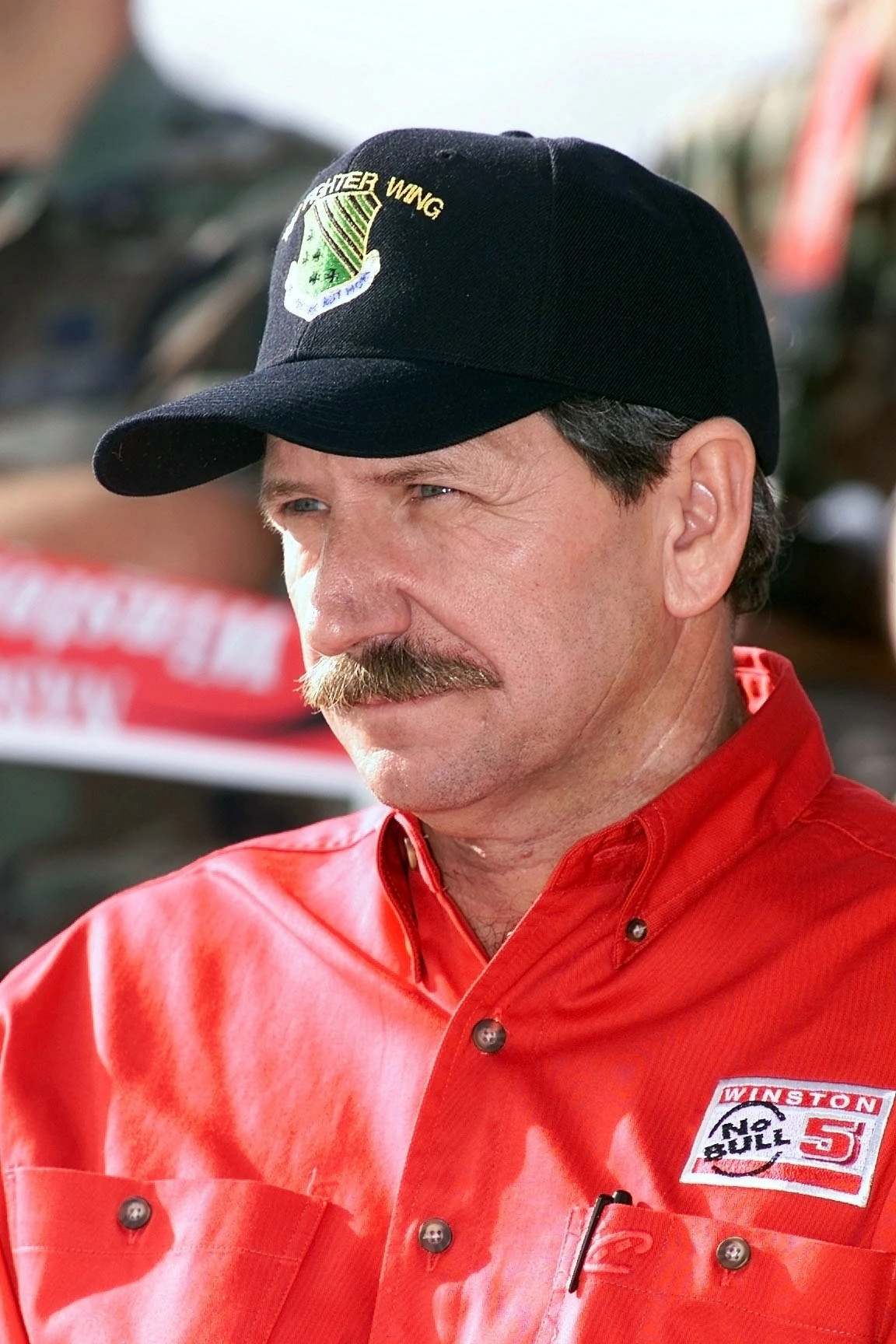
| 30 Quotes | |
| Occup. | Celebrity |
| From | USA |
| Born | April 29, 1951 |
| Died | February 18, 2001 |
| Aged | 49 years |
| Cite | |
Citation Formats
APA Style (7th ed.)
Dale earnhardt biography, facts and quotes. (2026, February 11). FixQuotes. https://fixquotes.com/authors/dale-earnhardt/
Chicago Style
"Dale Earnhardt biography, facts and quotes." FixQuotes. February 11, 2026. https://fixquotes.com/authors/dale-earnhardt/.
MLA Style (9th ed.)
"Dale Earnhardt biography, facts and quotes." FixQuotes, 11 Feb. 2026, https://fixquotes.com/authors/dale-earnhardt/. Accessed 12 Feb. 2026.
Early Life and Family
Ralph Dale Earnhardt was born on April 29, 1951, in Kannapolis, North Carolina, into a working-class mill town defined by racing garages and textile shifts. His father, Ralph Earnhardt, was a renowned short-track racer and a meticulous mechanic whose reputation for preparation and tire management made him a regional legend. His mother, Martha Earnhardt, held the family together while supporting the racing dreams that consumed father and son. Growing up in the shadow of Ralph's trophies and toolboxes, Dale learned to read a car's limits as naturally as he read the North Carolina red clay, absorbing the craft and the discipline that would define his career.Early Racing Years
Earnhardt started on local dirt tracks as a teenager, juggling day jobs and late-night engine work in garages across the Piedmont. The lessons from Ralph's shop and the fierce competition at tracks like Metrolina and Concord sharpened his instincts. By the mid-1970s he had begun making sporadic NASCAR Cup Series starts, showing a mix of raw aggression and mechanical sympathy that caught the eye of established team owners.Breakthrough in NASCAR
The 1979 season with Rod Osterlund's team marked Earnhardt's first full-time Cup campaign, and he immediately validated the opportunity by winning Rookie of the Year. A year later he earned the 1980 Cup championship, becoming the first driver to follow Rookie of the Year with a title the next season. When team ownership changes disrupted his situation, he had brief stops with Richard Childress and then Bud Moore before returning to Richard Childress Racing (RCR) in 1984. That move would shape the rest of his life. With Childress, Earnhardt found a home, a black No. 3 car, and the foundation for his legend.Dominance and Driving Style
Earnhardt's reputation as The Intimidator grew from a blend of precision and iron will. He pushed right to the edge of adhesion, using air, angles, and the bump-and-run with a daring most rivals could not match. He was especially brilliant in traffic, crafting moves on short tracks and superspeedways that turned close quarters into advantage. Over his career, he won 76 Cup races and seven championships (1980, 1986, 1987, 1990, 1991, 1993, 1994), tying Richard Petty and later Jimmie Johnson for the most in NASCAR's top series.Key Relationships and Teamwork
Earnhardt's partnership with Richard Childress was central to his success. Childress assembled talents who amplified Dale's abilities, including crew chiefs like Kirk Shelmerdine, Andy Petree, and Larry McReynolds, and a deep bench of mechanics who understood the smallest detail mattered. The black GM Goodwrench Chevrolet became as iconic as his sunglasses and mustache, a symbol of a relentless standard. On track, Earnhardt measured himself against rivals such as Darrell Waltrip, Rusty Wallace, Terry Labonte, Mark Martin, and later Jeff Gordon, rivalries that elevated NASCAR's profile and tested his adaptability across eras.Daytona 500 and Major Milestones
For years, the Daytona 500 eluded him in heartbreaking ways, from late flat tires to last-lap chaos. Finally, in 1998, with Larry McReynolds calling strategy and Childress presiding, Earnhardt broke through. The scene as the entire pit road lined up to congratulate him during the victory lap cemented a defining moment in NASCAR history. He was also a master of Talladega, where his reading of the draft produced a string of wins that underscored his superspeedway mastery.Business Ventures and Team Ownership
As success grew, Earnhardt expanded beyond the driver's seat. He and Teresa Earnhardt established Dale Earnhardt, Inc. (DEI), building teams that competed in the Busch (now Xfinity) and Cup Series. DEI became a platform for nurturing talent, notably Steve Park, Michael Waltrip, and Dale Earnhardt Jr. The organization reflected Earnhardt's values: toughness, preparation, and pride in the craft. He also embraced merchandising and licensing with a savvy rarely seen in the sport at the time, turning The Intimidator into a durable brand.Personal Life
Earnhardt's life was anchored by family. He was married to Latane Brown early in his life, and their son Kerry Earnhardt followed him into racing. With Brenda Gee, daughter of respected car builder Robert Gee, he had two children: Kelley and Dale Earnhardt Jr. Kelley Earnhardt would later become a major figure in team leadership and driver management, while Dale Jr. rose to national stardom in his own right. In 1982, Earnhardt married Teresa Houston, whose family had deep racing roots; they had a daughter, Taylor Nicole. Through the demands of constant competition, Teresa played a pivotal role in business operations and in guiding DEI's direction.2001 Daytona 500 and Tragedy
On February 18, 2001, during the final lap of the Daytona 500, Earnhardt was running in third, positioned to protect the DEI cars of race leader Michael Waltrip and second-place Dale Earnhardt Jr. In a chain reaction of contact in Turn 4 that included Sterling Marlin and Ken Schrader, Earnhardt's No. 3 car struck the wall at a severe angle. He suffered fatal injuries, a loss that stunned the sport and echoed far beyond motorsports. The race itself was a paradox of triumph and heartbreak as Waltrip won and Dale Jr. finished second, both for DEI.Safety Legacy and Impact
Earnhardt's death catalyzed sweeping safety reforms. NASCAR accelerated the installation of SAFER barriers, expanded the NASCAR Research & Development Center's mandate, and moved to mandate head-and-neck restraints such as the HANS device, improve seat and harness standards, and enhance data collection and crash analysis. The changes that followed contributed to a new era of driver protection. In Florida, legislation informally known as the Earnhardt Family Protection Act addressed the privacy of autopsy photographs, reflecting the family's effort, led by Teresa Earnhardt, to balance public interest with dignity.Aftermath and Continuing Influence
Richard Childress promoted Kevin Harvick to the Cup seat that had been Earnhardt's, renumbering the car to 29; Harvick's breakthrough win weeks later at Atlanta became an emotional marker for the team and fans. DEI carried forward, capturing significant victories with Dale Jr. and Michael Waltrip, especially at Daytona, where Earnhardt's drafting lessons were a living inheritance. For Dale Jr., carrying the Earnhardt name meant both burden and motivation; guided by Kelley Earnhardt and mentored by veterans across the garage, he forged his own legacy while honoring his father's influence.Reputation and Enduring Memory
Dale Earnhardt's ethos combined blue-collar authenticity with elite performance. He celebrated the mill-town roots that shaped him, and he treated mechanics, tire carriers, and fabricators as teammates equal in credit. His presence reframed expectations of what a driver could be: a fearless competitor, a brand builder, and a steward of the sport's future. Fans still recall his stare behind dark lenses, the black No. 3 slicing through traffic, and the remarkable ability to control the air around him. He remains a benchmark by which aggression, racecraft, and competitive will are measured, and a central figure in the story of American stock car racing.Our collection contains 30 quotes written by Dale, under the main topics: Witty One-Liners - Motivational - Nature - Victory - Sports.
Other people related to Dale: Sterling Marlin (Athlete)
Source / external links