
Daniel Akaka Biography Quotes 9 Report mistakes
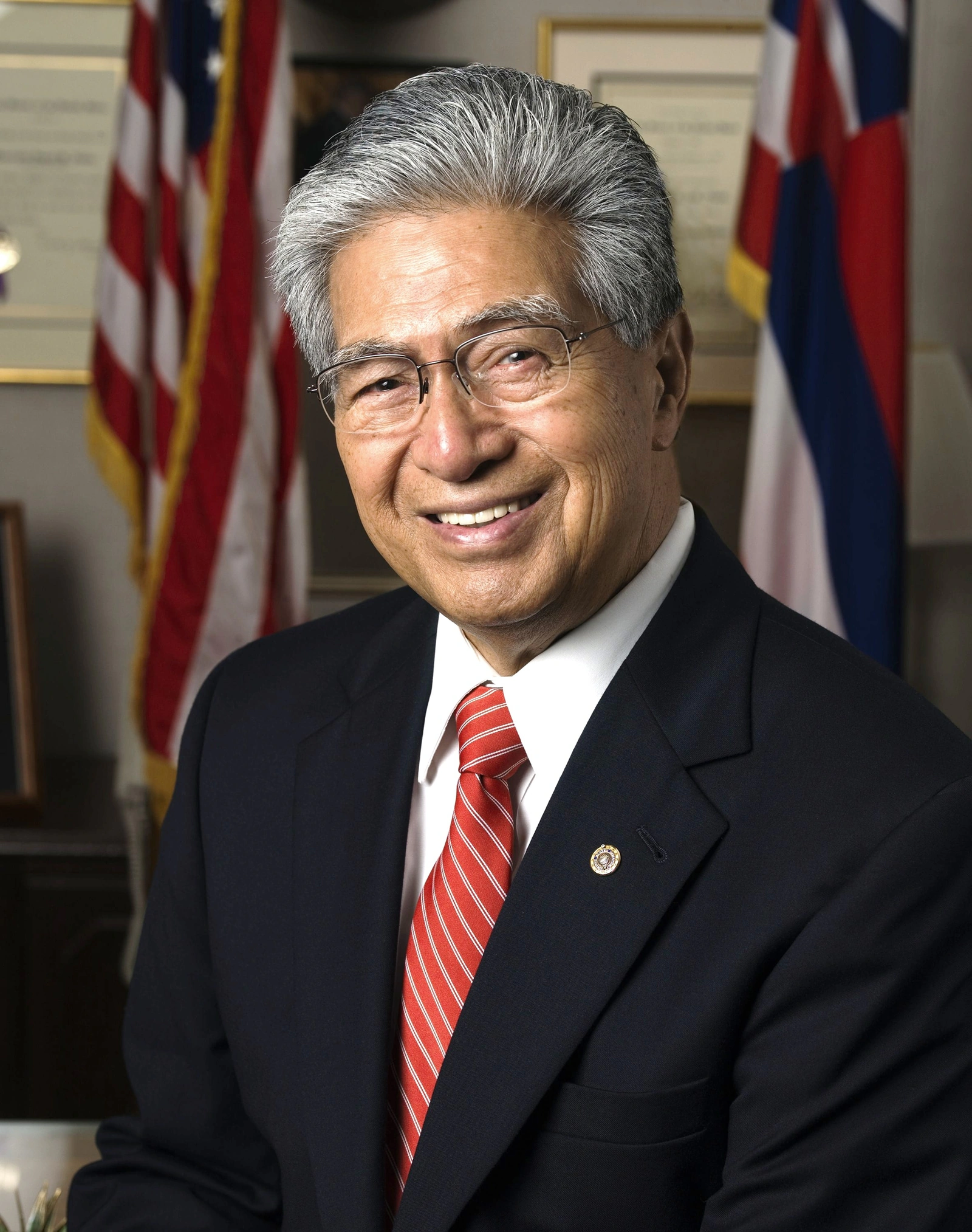
| 9 Quotes | |
| Occup. | Politician |
| From | USA |
| Born | September 11, 1924 |
| Age | 101 years |
| Cite | |
Citation Formats
APA Style (7th ed.)
Daniel akaka biography, facts and quotes. (2026, March 1). FixQuotes. https://fixquotes.com/authors/daniel-akaka/
Chicago Style
"Daniel Akaka biography, facts and quotes." FixQuotes. March 1, 2026. https://fixquotes.com/authors/daniel-akaka/.
MLA Style (9th ed.)
"Daniel Akaka biography, facts and quotes." FixQuotes, 1 Mar. 2026, https://fixquotes.com/authors/daniel-akaka/. Accessed 12 Mar. 2026.
Early Life and Background
Daniel Ken Inouye Akaka was born on September 11, 1924, in Honolulu, Territory of Hawaii, into a working-class, multiethnic island society shaped by plantation labor, immigrant neighborhoods, and the enduring presence of Native Hawaiian culture. He grew up in the Palama area, an environment where civic life was intimate and reputation traveled quickly - a place that rewarded steadiness, listening, and the patient accumulation of trust rather than rhetorical flash.
Akaka came of age as Hawaii sat at the crossroads of American expansion and Pacific war. The attack on Pearl Harbor in 1941 militarized daily life and accelerated Hawaii's political evolution, sharpening questions of belonging and responsibility for local families whose sons served in uniform while their home remained a U.S. territory. That formative tension - loyalty to the nation paired with an islander's awareness of distance, vulnerability, and cultural distinctiveness - would later reappear in his Senate focus on disaster readiness, veterans, and the federal government's obligations to Hawaii and Native Hawaiians.
Education and Formative Influences
After service in the U.S. Army during World War II, Akaka used the GI Bill to study education, earning degrees at the University of Hawaii. Teaching and school administration trained him in systems, incentives, and human development - and in the slow, practical work of improving institutions from the inside. Those years also placed him in the postwar push for Hawaii statehood and expanded civic participation, when unions, churches, and neighborhood organizations served as political classrooms and when local leaders learned to translate island priorities into a language legible to Washington.
Career, Major Works, and Turning Points
Akaka entered electoral politics as a Democrat in the Hawaii House of Representatives (1963-1971) and State Senate (1971-1976), then served in the U.S. House (1977-1990) before appointment to the U.S. Senate in 1990 and subsequent reelections through 2012. In Washington he became associated with quiet coalition-building and committee work, notably on Veterans' Affairs and Indian Affairs, and with steady advocacy for Hawaii's security and infrastructure. His signature long campaign was the proposed federal recognition framework for Native Hawaiians - often called the Akaka Bill - a measure that repeatedly advanced but never became law, turning him into both a symbol of persistence for supporters and a lightning rod in debates over sovereignty, federalism, and identity.
Philosophy, Style, and Themes
Akaka's governing philosophy was communitarian: the state exists to reduce avoidable hardship, protect the vulnerable, and honor commitments that history created. He framed health care as a moral and administrative problem rather than an ideological one, insisting that “A tremendous amount of needless pain and suffering can be eliminated by ensuring that health insurance is universally available”. The wording is telling - "needless" signals a teacher's impatience with preventable failure, and "universally" reflects an island ethic of shared fate where gaps in coverage are not abstractions but neighbors.
His style was restrained and deliberate, built on the belief that persuasion begins with civic literacy and honest accounting. That same impulse appears in his consumer-protection rhetoric: “It is imperative that we make consumers more aware of the long-term effects of their financial decisions, particularly in managing their credit card debt, so that they can avoid financial pitfalls that may lead to bankruptcy”. The sentence reads like a lesson plan, revealing a psyche oriented toward prevention, instruction, and dignity - a preference for equipping people to navigate systems rather than merely punishing outcomes. Underneath was a consistent theme of distance and vulnerability in the Pacific: “Unlike most major American cities, Honolulu is geographically insulated from the rest of the country. When disaster strikes, we cannot call on neighboring states for assistance”. For Akaka, geography was not background; it was destiny, demanding federal attention to logistics, resilience, and preparedness.
Legacy and Influence
Akaka retired from the Senate in 2013 and died in Honolulu in 2018, remembered less for spectacle than for a model of public service rooted in patience, courtesy, and institutional memory. His failed-but-defining Native Hawaiian recognition effort shaped a generation of debate over the federal government's responsibilities to Native Hawaiians, and his broader record helped normalize the idea that Hawaii's concerns - veterans, health access, disaster readiness, and the costs of distance - are national concerns. In an era increasingly rewarded for performance, Akaka's influence endures as an argument for the quieter virtues: incremental lawmaking, civic education, and a politics that treats public policy as a form of care.
Our collection contains 9 quotes written by Daniel, under the main topics: Leadership - Science - Health - Human Rights - War.
Other people related to Daniel: Linda Lingle (Politician), Daniel Inouye (Politician), Neil Abercrombie (Politician), Ed Case (Politician)
Source / external links