
Dario Fo Biography Quotes 16 Report mistakes
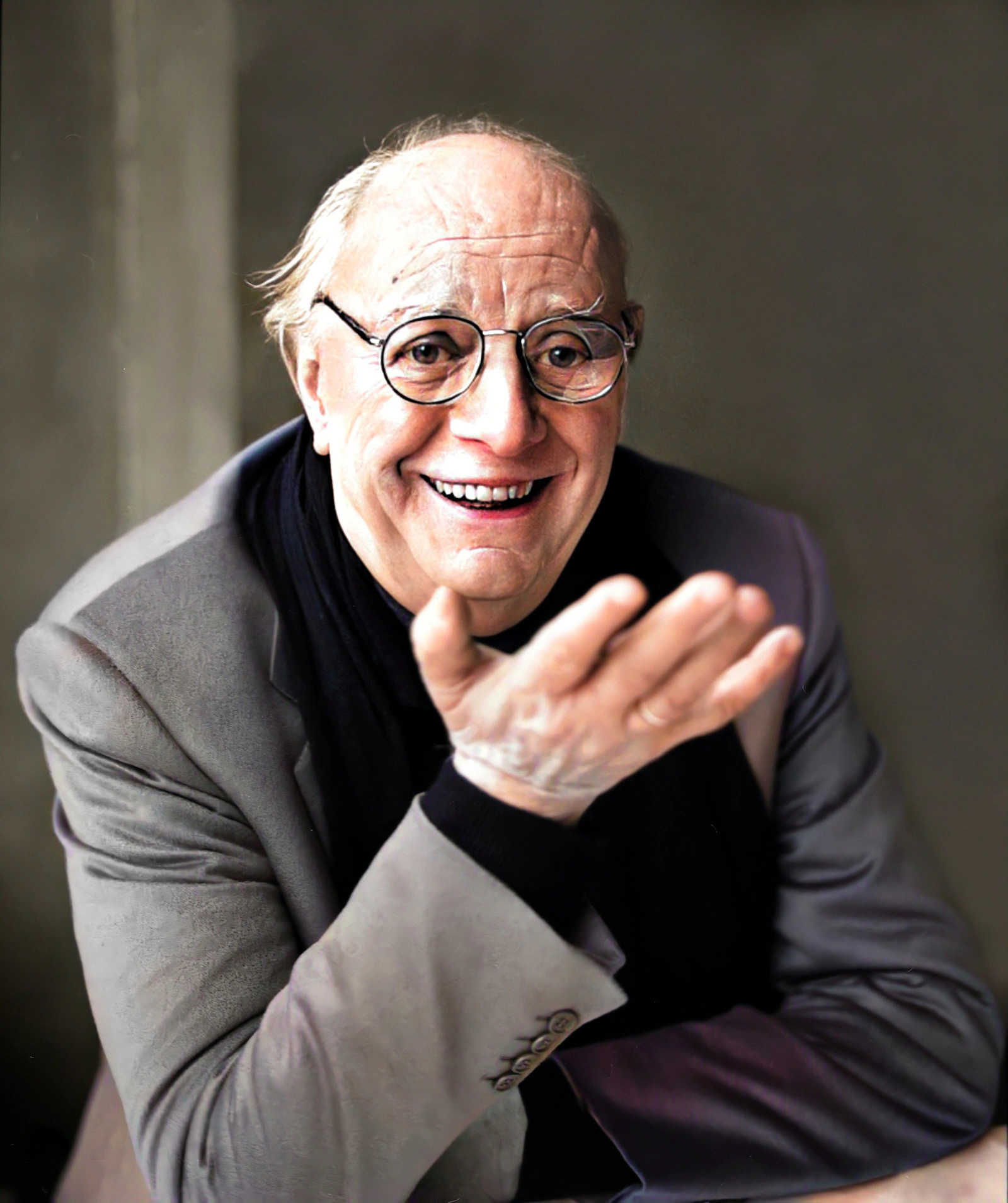
Attr: D Frohman, CC BY-SA 2.0
| 16 Quotes | |
| Occup. | Playwright |
| From | Italy |
| Born | March 24, 1926 Sangiano, Varese, Lombardy, Italy |
| Died | October 13, 2016 Milan, Italy |
| Cause | respiratory failure |
| Aged | 90 years |
| Cite | |
Citation Formats
APA Style (7th ed.)
Dario fo biography, facts and quotes. (2026, February 20). FixQuotes. https://fixquotes.com/authors/dario-fo/
Chicago Style
"Dario Fo biography, facts and quotes." FixQuotes. February 20, 2026. https://fixquotes.com/authors/dario-fo/.
MLA Style (9th ed.)
"Dario Fo biography, facts and quotes." FixQuotes, 20 Feb. 2026, https://fixquotes.com/authors/dario-fo/. Accessed 6 Mar. 2026.
Early Life and Background
Dario Fo was born on March 24, 1926, in Sangiano on Lake Maggiore in Lombardy, a borderland of dialects, smugglers' routes, and political crosswinds. His father, Felice, worked for the state railways and was sympathetic to anti-fascist currents; his mother, Pina Rota, came from a peasant background. The household moved around the lake area, and Fo grew up amid the oral culture of boatmen, fishermen, artisans, and itinerant storytellers, where comic exaggeration was not escapism but a practical way of speaking truth without inviting immediate punishment.
His adolescence unfolded under Mussolini's regime and then the violence of its collapse. As a late-teen in 1944-45, he was pulled into the coercive machinery of the Italian Social Republic, then found ways to slip away as the war ended and partisans and reprisals remade local life. The early lesson was durable: authority is not an abstraction but a daily pressure on bodies, wages, speech, and laughter - and the stage, if it was to matter, would have to meet that pressure with equal force.
Education and Formative Influences
After the war he moved to Milan, studied at the Accademia di Belle Arti di Brera and attended architecture at the Politecnico di Milano without completing a degree, absorbing modern art, design, and the city's postwar ferment. At the same time he apprenticed himself to performance: radio writing and cabaret sharpened timing, while commedia dell'arte and medieval giullari traditions offered a model of the actor-author as a public nuisance with a conscience, speaking in mixed registers and using the body as argument.
Career, Major Works, and Turning Points
Fo broke through in the 1950s with satirical theater and television work, then became inseparable from actress and co-author Franca Rame, whom he married in 1954; their partnership blended virtuoso performance with militant organization. Conflicts with broadcast censorship pushed them toward independent stages and workers' audiences; in 1968 they founded Nuova Scena and later La Comune, aligning with the extra-parliamentary left and playing factories, union halls, and occupied spaces. His signature plays emerged as political scandals with mass appeal: Mistero Buffo (1969), a one-man "popular mystery" built from apocrypha, dialect, and grammelot; Accidental Death of an Anarchist (1970), a farce about police cover-ups after Giuseppe Pinelli's death; and Can't Pay? Won't Pay! (1974), a comedy of inflation and household revolt. The 1970s also brought personal cost: Rame was kidnapped and assaulted by fascist militants in 1973, and the couple turned trauma into renewed public testimony and theater, refusing the protection of silence. In 1997 Fo received the Nobel Prize in Literature, a belated international ratification of what Italian power had long treated as dangerous entertainment.
Philosophy, Style, and Themes
Fo's politics were never decorative; they were a craft principle. He insisted that art lives inside the civic bloodstream, not above it: “Every artistic expression is either influenced by or adds something to politics”. That conviction explains his refusal of neutral realism. Instead he built a theater of demonstration: plots that move like investigative reports, characters that confess through slapstick, and monologues that turn history into a living argument. His targets ranged from police impunity and judicial theater to the hypocrisy of respectable morality and the bargains between parties and pulpit.
Stylistically he treated laughter as a weapon with a long genealogy. His performing body - elastic, clownish, precise - carried the memory of market squares and church steps, where the storyteller survives by speed, mask, and misdirection. He described the origin as instinctive training in irony: “When I was a boy, unconsciously, spontaneously, I learned the art of telling ironic stories”. Humour, in his view, is exactly what power cannot fully domesticate: “It is hard for power to enjoy or incorporate humour and satire in its system of control”. The psychology underneath is clear: Fo trusted the audience's intelligence but distrusted institutions, so he built forms that educate without preaching - letting jokes do the work of analysis, and letting the grotesque reveal what polite language hides.
Legacy and Influence
Fo died on October 13, 2016, in Milan, leaving a model of the playwright as performer, organizer, and civic irritant. His influence runs through European political theater, documentary farce, and solo performance, and his techniques - grammelot, dialect collage, the historian's footnote delivered as punchline - continue to arm companies working under censorship or commercial pressure. Just as important is the ethical template he and Rame embodied: that satire is not a weekend pose but a lifelong discipline, one that accepts backlash as proof that the joke landed where it had to - on the nerves of power.
Our collection contains 16 quotes written by Dario, under the main topics: Funny - Art - Sarcastic - Freedom - Deep.
Other people related to Dario: Alan Cumming (Actor)
Dario Fo Famous Works
- 1981 Trumpets and Raspberries (Play)
- 1976 Orgasmo Adulto Escapes from the Zoo (Play)
- 1974 Can't Pay? Won't Pay! (Play)
- 1970 Accidental Death of an Anarchist (Play)
- 1969 Mistero Buffo (Play)
Source / external links