
David Copperfield Biography Quotes 4 Report mistakes
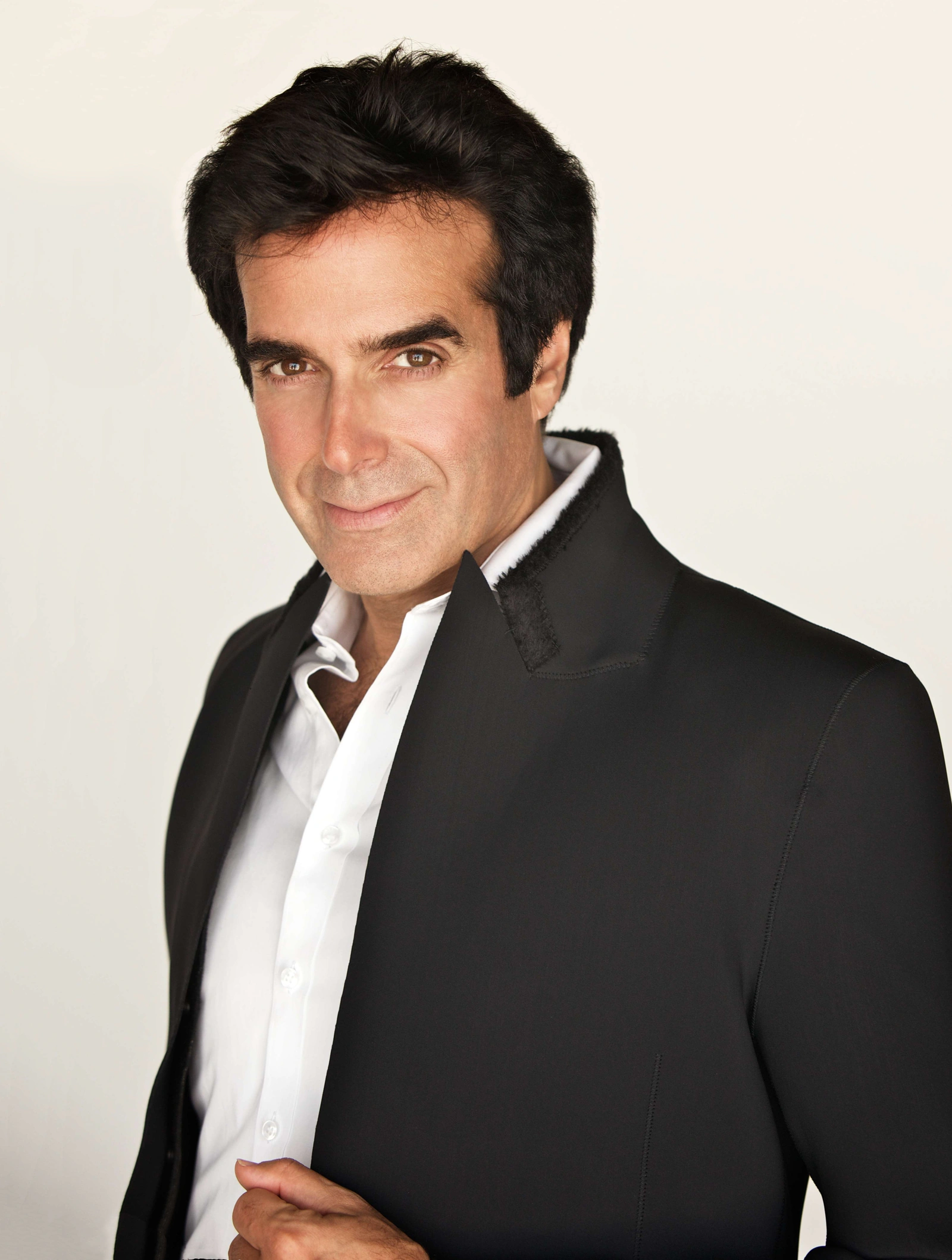
| 4 Quotes | |
| Born as | David Seth Kotkin |
| Occup. | Celebrity |
| From | USA |
| Born | September 16, 1956 Metuchen, New Jersey, United States |
| Age | 69 years |
| Cite | |
Citation Formats
APA Style (7th ed.)
David copperfield biography, facts and quotes. (2026, February 11). FixQuotes. https://fixquotes.com/authors/david-copperfield/
Chicago Style
"David Copperfield biography, facts and quotes." FixQuotes. February 11, 2026. https://fixquotes.com/authors/david-copperfield/.
MLA Style (9th ed.)
"David Copperfield biography, facts and quotes." FixQuotes, 11 Feb. 2026, https://fixquotes.com/authors/david-copperfield/. Accessed 6 Mar. 2026.
Early Life and Background
David Copperfield was born David Seth Kotkin on September 16, 1956, in Metuchen, New Jersey, to Jewish parents who ran and worked in small businesses in the postwar suburban corridor between New York and Philadelphia. That landscape of diners, storefronts, and commuter routines mattered: it was a culture that rewarded showmanship but distrusted pretension, and the young Kotkin learned early that charm had to be earned, not assumed. In a household shaped by immigrant ambition and mid-century American practicality, he developed a split sensibility that would later define his public persona - the meticulous builder behind the curtain and the romantic storyteller out front.He was a shy, observant child who discovered in sleight-of-hand an uncommon form of agency: a way to control attention without demanding it. The era helped. In the 1960s, television made spectacle intimate, bringing variety acts and illusionists into living rooms; at the same time, American culture was being rewired by civil rights activism, the space race, and a rapidly commercializing entertainment industry. Kotkin grew up learning that wonder could be mass-produced, but also that it could still feel personal if it was framed as an experience rather than a trick.
Education and Formative Influences
As a teenager he immersed himself in the technical literature and informal guild culture of magic, performing locally and building a reputation for discipline and craft; he also studied at Fordham University in the Bronx, where he briefly taught a course in magic while still very young. Mentors within the professional magic community and the broader TV variety ecosystem encouraged him to think like a director as much as a magician - to treat staging, pacing, music, and camera as part of the method. By the time he began angling for national platforms, he had internalized two complementary influences: the classical illusion tradition (big apparatus, clean lines, narrative framing) and the modern media lesson that credibility is created through rehearsal, not claims.Career, Major Works, and Turning Points
Kotkin adopted the stage name David Copperfield in the 1970s, borrowing the aura of Dickensian transformation, and he broke widely through television specials that turned illusions into events. Over the following decades he became a dominant figure in American popular magic, headlining long-running live shows in Las Vegas and producing signature feats that entered mass memory: making the Statue of Liberty "disappear", walking through the Great Wall of China, and later staging the illusion of flying - not as a single stunt but as a poetic set piece. His career expanded into producing, collecting, and institutionalizing the art, including the creation of a major archive and museum complex devoted to preserving historic apparatus and documents, a shift from performer to custodian that signaled he was thinking not only about applause but about permanence.Philosophy, Style, and Themes
Copperfield's inner engine is less about deception than about authorship. He has repeatedly implied that method is secondary to emotional design, and his work treats the audience's attention as material to be shaped: “The real secret of magic lies in the performance”. Psychologically, that line reads as self-portrait. It suggests a performer who distrusts raw revelation and instead believes in controlled vulnerability - a willingness to appear open while keeping the architecture hidden. His best pieces are built like short films: a clear premise, a rising curve of impossibility, and an ending that resolves as feeling, not explanation.His style also carries a wry awareness of the absurdity of being asked to do the impossible for a living, a pressure he often relieves through humor that undercuts his own mystique: “I'm just waiting for people to start asking me to make the rain disappear”. That joke points to a recurring theme in his public life - the negotiation between wonder and entitlement. Audiences want miracles on demand; Copperfield answers by making desire itself the subject, turning expectation into drama. At the same time, he never presents himself as an effortless prodigy; even when he talks about early facility, he frames it as a long apprenticeship: “Magic came very easy for me when I was a kid. When I was 8 years old I started doing it, and by the time I was 12, I was already published in magic books”. The subtext is ambition disciplined into craft: talent is real, but it becomes destiny only through repetition, secrecy, and narrative control.
Legacy and Influence
Copperfield helped redefine late-20th-century stage magic by merging classic illusion engineering with television-era storytelling, making the magician less a carnival operator and more a cinematic narrator of longing, escape, and transformation. His televised spectacles set a template for event magic, while his Las Vegas dominance demonstrated that illusion could be a modern residency art, not merely a touring novelty. As a collector and preservationist, he also reshaped the field's self-understanding, treating magic history as cultural heritage rather than disposable entertainment. Whatever controversies and debates have followed his fame, his enduring influence is clear: he taught a mass audience to evaluate magic not by the mechanism, but by the feeling it leaves behind.Our collection contains 4 quotes written by David, under the main topics: Witty One-Liners - Art - Learning.
Other people related to David: Daniel Radcliffe (Actor), David O. Selznick (Producer), Hugh Dancy (Actor), Tracey Ullman (Comedian)
Source / external links