
David Viscott Biography Quotes 13 Report mistakes
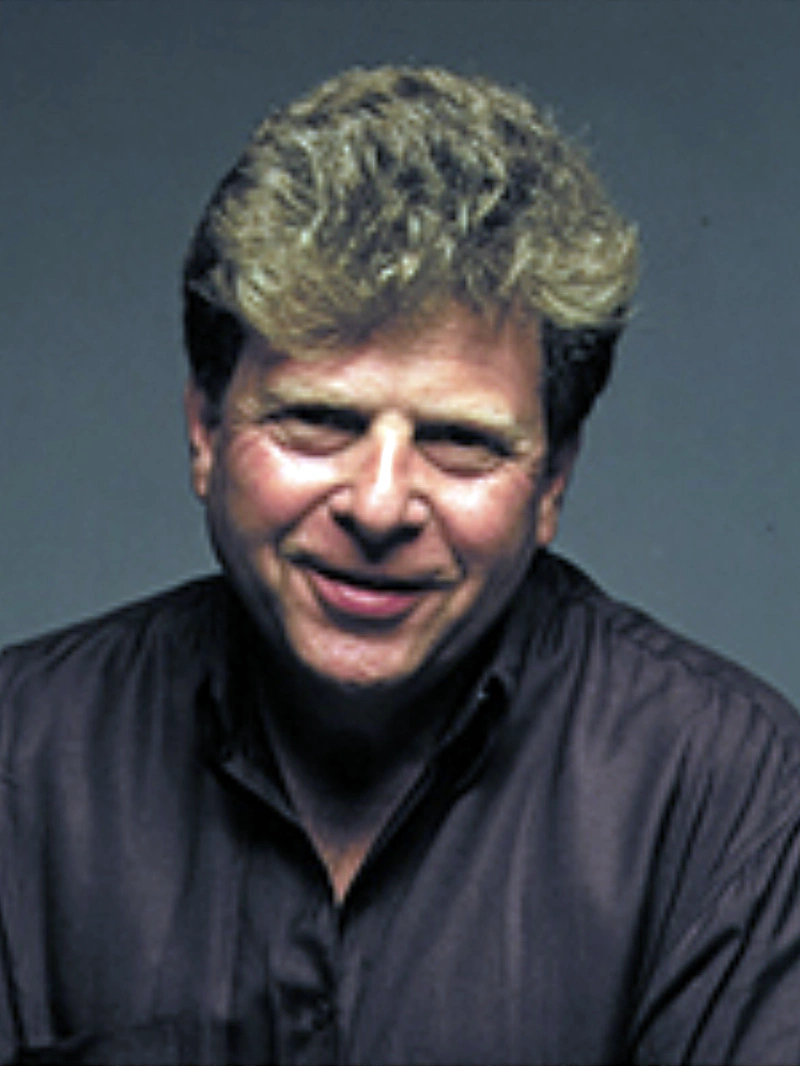
Attr: IMDb
| 13 Quotes | |
| Occup. | Psychologist |
| From | USA |
| Born | May 24, 1938 |
| Died | October 10, 1996 |
| Aged | 58 years |
| Cite | |
Citation Formats
APA Style (7th ed.)
David viscott biography, facts and quotes. (2026, February 11). FixQuotes. https://fixquotes.com/authors/david-viscott/
Chicago Style
"David Viscott biography, facts and quotes." FixQuotes. February 11, 2026. https://fixquotes.com/authors/david-viscott/.
MLA Style (9th ed.)
"David Viscott biography, facts and quotes." FixQuotes, 11 Feb. 2026, https://fixquotes.com/authors/david-viscott/. Accessed 12 Feb. 2026.
Early Life and Education
David Viscott was an American psychiatrist, author, and broadcast personality best known for bringing the language of psychotherapy into the public square. Born in 1938 and raised in the Boston area, he came of age at a time when psychiatry was dominated by long-form, office-based analysis. He studied in Massachusetts, completed medical training, and pursued psychiatric residency before beginning private practice. Colleagues who trained with him later recalled his combination of clinical rigor and impatience with jargon, an impatience that would become a hallmark of his media presence. Even early on he emphasized clarity: if a patient could not put a feeling into simple words, he believed the work had not yet reached the truth.Clinical Practice and Therapeutic Philosophy
Viscott's clinical approach revolved around the idea that most persistent symptoms were signals of unspoken emotional conflict. He urged patients to identify core feelings, state them plainly, and take direct action aligned with those feelings. He favored short-term, problem-focused work, an approach that contrasted with the more open-ended therapies many of his mentors had practiced. His books distilled these views for lay readers. The Language of Feelings set out his toolkit for naming emotions and dismantling avoidance, and Emotionally Free elaborated practical exercises for confronting fear, guilt, and anger. In offices and lecture halls he pressed trainees, interns, and colleagues to listen for the sentence hidden inside a patient's story that, once spoken, shifted everything.Radio and Television
In the late 1970s and 1980s Viscott carried this method into talk radio, first locally and then in wider syndication. From a Los Angeles studio he took calls from listeners describing panic, depression, grief, and tangled relationships. A producer would screen calls, engineers would watch the clock, and Viscott would ask a caller to say the one feeling they were most avoiding. His questions were brisk and unsentimental, but he was careful to offer resources and referrals when a caller needed more than a few minutes on-air. On KABC in Los Angeles he shared the airwaves with well-known hosts, and listeners often discovered him while tuning between programs featuring voices such as Dr. Toni Grant or Michael Jackson, part of a vibrant talk-radio culture in the city. Television followed: The David Viscott Show appeared on the Lifetime cable network, adapting his live-call format to a studio audience and a national viewership. Producers, segment bookers, and editors worked with him to translate therapy into a medium that demanded both immediacy and responsibility.Writing and Public Voice
Alongside broadcast work, Viscott wrote columns and gave public lectures that broadened his audience beyond radio. Editors who worked on The Language of Feelings and Emotionally Free helped sharpen his direct, conversational style. He framed emotional honesty not as a luxury but as a survival skill. Readers wrote to him about using his exercises at kitchen tables and in break rooms, and he often brought their questions to air, anonymized, to show how the same patterns repeated across lives.Reception and Controversy
Professionals in psychiatry and psychology were divided. Some applauded his skill in demystifying psychotherapy and reaching people who might never set foot in a clinic. Others worried that brief, on-air advice could oversimplify complex conditions. Viscott acknowledged these tensions and insisted his programs were not a substitute for treatment, often urging callers to seek local care. As media psychology expanded in the 1990s, he was compared with earlier pioneers such as Dr. Joyce Brothers and, later, his influence was noted alongside physician-broadcasters like Dr. Drew Pinsky, whose advice shows flourished on terrain Viscott helped prepare.Personal Life and Character
Off-air, Viscott maintained a private practice and a family life that he kept largely out of public view. Friends and colleagues describe a man who worked relentlessly, moving between office sessions, studio tapings, and book deadlines with little rest. Producers remember him stopping in hallways to offer a few minutes of counsel to staff members and interns who were struggling, the same directness softened by a personal kindness. He valued his children's privacy and avoided turning his home life into fodder for programming, even as callers pressed him for autobiographical details.Later Years and Death
By the mid-1990s his media workload had eased as tastes in talk radio shifted and his health declined. He continued writing and lecturing when able, returning to the themes that had anchored his career: name the feeling, face it, act. He died in 1996 at the age of 58, following a period of ill health. News of his death reached former callers, listeners, and colleagues across the country, many of whom credited his voice with prompting their first honest conversation about fear, grief, or love.Legacy
David Viscott's legacy rests on the idea that plain language can liberate people from emotional paralysis. He showed that psychotherapy's tools do not lose power when carried into everyday speech, so long as they are used with care. His books remain in circulation, his broadcasts live on in recordings and recollections, and the radio studios where he worked set templates for listener-support formats that persist on air and online. Among those who worked with him - producers who screened calls, engineers who kept his show on time, junior clinicians who watched him cut to a problem's core - the memory that endures is of a physician determined to help people say what they meant and then live in alignment with it.Our collection contains 13 quotes written by David, under the main topics: Motivational - Never Give Up - Love - Mental Health - Book.