
Davy Crockett Biography Quotes 17 Report mistakes
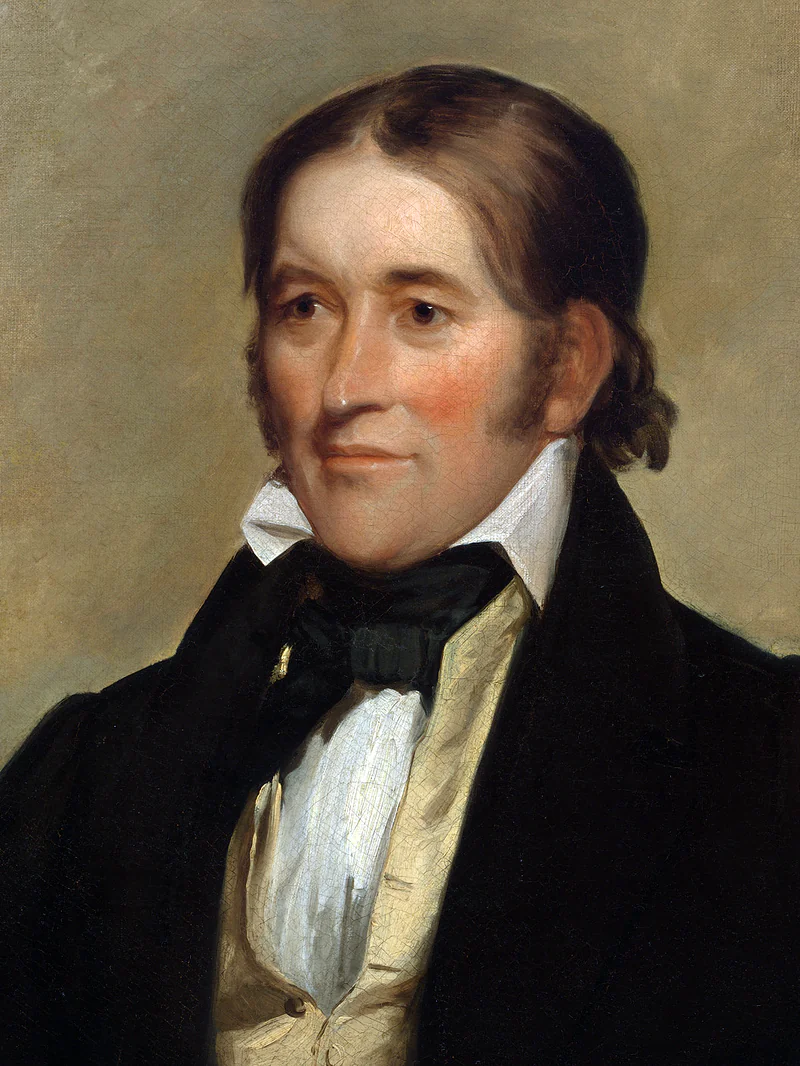
| 17 Quotes | |
| Born as | David Crockett |
| Occup. | Explorer |
| From | USA |
| Born | August 17, 1786 Greene County, Tennessee, United States |
| Died | March 6, 1836 The Alamo, San Antonio, Texas |
| Cause | Killed in the Battle of the Alamo |
| Aged | 49 years |
| Cite | |
Citation Formats
APA Style (7th ed.)
Davy crockett biography, facts and quotes. (2026, February 11). FixQuotes. https://fixquotes.com/authors/davy-crockett/
Chicago Style
"Davy Crockett biography, facts and quotes." FixQuotes. February 11, 2026. https://fixquotes.com/authors/davy-crockett/.
MLA Style (9th ed.)
"Davy Crockett biography, facts and quotes." FixQuotes, 11 Feb. 2026, https://fixquotes.com/authors/davy-crockett/. Accessed 31 Mar. 2026.
Early Life and Background
David "Davy" Crockett was born on August 17, 1786, in the rugged backcountry along the Nolichucky River in what was then the Franklin District of North Carolina, later Tennessee. He grew up at the edge of the young republic, in a world of cabins, debt, and contested land where hunting was not sport but subsistence and reputation traveled by word of mouth. His parents, John and Rebecca Crockett, ran a tavern and farmed, and the family lived close to the precarious economies of the frontier - money scarce, credit unforgiving, and a boy's labor essential.Restless and stubborn, Crockett drifted in and out of home as a child, working for neighbors, drovers, and small employers, learning early how easily a man could be trapped by obligations he did not choose. That early exposure to barter, hard bargains, and local justice formed a lifelong instinct to distrust polished authority while valuing personal honor. The frontier also trained him in a kind of emotional self-reliance - a habit of turning experience into story - which later made him both an effective politician and a myth in the making.
Education and Formative Influences
Crockett had little formal schooling and was largely self-taught, but he absorbed the practical curriculum of the frontier: marksmanship, tracking, river crossings, and the social intelligence needed to navigate taverns, courts, and election days. Service in the Tennessee militia during the Creek War era and constant movement through communities in Middle Tennessee exposed him to the expanding market economy, to Andrew Jackson's rising power, and to the violence of U.S. Indian policy - a context that would complicate his later politics, even as he benefited from the culture of westward expansion.Career, Major Works, and Turning Points
Crockett became a local figure in Tennessee as a hunter and veteran, then entered politics, serving in the Tennessee legislature (1821-1823) and the U.S. House of Representatives (1827-1831, 1833-1835). He cultivated the persona of the plainspoken backwoodsman while mastering the mechanics of campaigning, and he turned personal narrative into political capital through accounts like A Narrative of the Life of David Crockett (1834), one of several autobiographical texts tied to his name that fused fact, humor, and self-creation. His defining turning point was his break with President Andrew Jackson, particularly over Indian removal; that estrangement cost him patronage and allies, contributed to his 1835 defeat, and pushed him toward Texas, where he joined the Texian cause and died at the Alamo on March 6, 1836 - an end that sealed his transformation from contentious congressman into national legend.Philosophy, Style, and Themes
Crockett's inner life reads as a contest between independence and the gravitational pull of popular adoration. He wanted to be liked, but he wanted more to be unbought. His public creed, “Be always sure you are right - then go ahead”. , captures both the moral certainty and the risk in his character: a man who trusted his own judgment even when it isolated him. In practice that meant he could be theatrical yet sincere, self-promoting yet prickly about being used, and it explains why he could survive as a folk hero while repeatedly losing the inside game of party discipline.His style was vernacular and combative, designed for courthouse crowds and newspaper reprints, but it carried a coherent theory of power: government should be limited, accountable, and wary of turning compassion into coercion. When he argued, “We have the right as individuals to give away as much of our own money as we please in charity; but as members of Congress we have no right to appropriate a dollar of the public money”. , he was not merely pinching pennies - he was defending the frontier ethic that dignity depends on consent, not paternalism. And when he declared, “Look at my arms, you will find no party hand-cuff on them”. , he framed politics as a test of manhood, casting independence as a kind of bodily freedom. Even his famous leap into Texas carried the psychology of escape and recommitment: the urge to outrun defeat, recover agency, and place himself where individual courage still seemed to matter more than faction.
Legacy and Influence
Crockett's afterlife is a collision of history and myth: a real congressman who fought Jacksonian power and a symbolic frontiersman whose coonskin-cap image often obscures his policy positions and contradictions. The Alamo made him a martyr to Texian independence and a staple of American storytelling, while his autobiographical voice helped define a national appetite for the self-made hero who narrates his own ascent. In politics and popular culture alike, Crockett endures as a template for the anti-establishment outsider - funny, stubborn, armed with moral certainty - and as a reminder that the American frontier was not only a place on the map but a psychological posture toward authority, ambition, and freedom.Our collection contains 17 quotes written by Davy, under the main topics: Witty One-Liners - Wisdom - Justice - Leadership - Freedom.
Davy Crockett Famous Works
- 1834 A Narrative of the Life of David Crockett of the State of Tennessee (Autobiography)