
Dawn Fraser Biography Quotes 8 Report mistakes
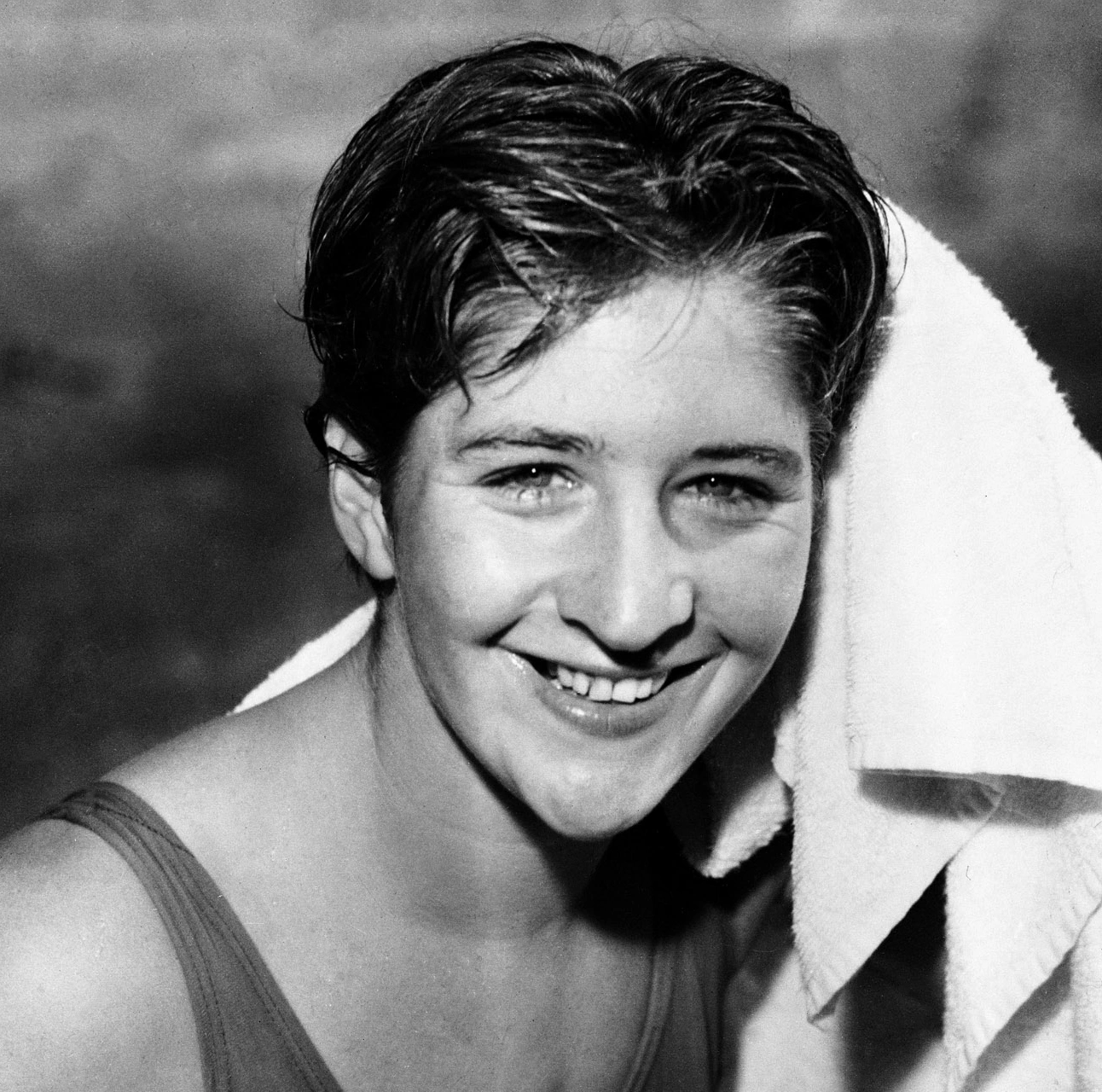
| 8 Quotes | |
| Occup. | Athlete |
| From | Australia |
| Born | September 4, 1937 Balmain, New South Wales |
| Age | 88 years |
| Cite | |
Citation Formats
APA Style (7th ed.)
Dawn fraser biography, facts and quotes. (2026, February 21). FixQuotes. https://fixquotes.com/authors/dawn-fraser/
Chicago Style
"Dawn Fraser biography, facts and quotes." FixQuotes. February 21, 2026. https://fixquotes.com/authors/dawn-fraser/.
MLA Style (9th ed.)
"Dawn Fraser biography, facts and quotes." FixQuotes, 21 Feb. 2026, https://fixquotes.com/authors/dawn-fraser/. Accessed 25 Mar. 2026.
Early Life and Background
Dawn Lorraine Fraser was born on September 4, 1937, in Balmain, a working-class waterfront suburb of Sydney, New South Wales. She grew up amid the hard-edged rhythms of wartime and postwar Australia, where docks, factories, and crowded terraces shaped a culture that prized toughness and plain speaking. Swimming, in that environment, was not an ornament but a practical skill and a local obsession - beaches and baths were public stages where talent could be spotted early.
Family pressures and limited means did not insulate her from ambition; they sharpened it. Fraser absorbed the Balmain ethos of earning your place, distrusting pretension, and answering challenge with action. That psychological ballast - a mixture of defiance and self-reliance - later became central to how she handled international fame, scrutiny, and the loneliness that can accompany dominance in an individual sport.
Education and Formative Influences
Her formal schooling was modest, and her real education came through training culture and mentorship in Sydney swimming circles. Under coach Harry Gallagher, she developed a brutally direct relationship with work: repetition, pace, and an insistence on racing skills as much as technique. In an era when Australian sport was becoming a vehicle for national confidence, Fraser learned to treat the pool as both refuge and proving ground, building a competitive identity that was emotionally protective - if you could outwork and outfight opponents, you could control what the world could take from you.
Career, Major Works, and Turning Points
Fraser rose quickly through Australian ranks, then redefined sprint freestyle on the global stage. At the 1956 Melbourne Olympics, she won gold in the 100m freestyle and contributed to relay success, becoming a home-Games hero. She defended her 100m title at Rome 1960 and again at Tokyo 1964, a rare triple that made her one of the defining athletes of her century; across her prime she set dozens of world records (widely cited as 41) and turned the 100m into a contest of intimidation as well as speed. Tokyo also brought a notorious rupture: after an incident involving the Olympic flag (and other disciplinary issues), she was suspended from international competition, a punishment that cut into her remaining years at the top and forced a recalibration from invincible champion to public figure navigating consequence. In later life she remained prominent in Australian sport and civic life, including a term as a parliamentarian in New South Wales, with her sporting past always hovering as both credential and burden.
Philosophy, Style, and Themes
Fraser swam with a distinctive blend of raw power and racing clarity. In the pool she was not delicate; she was direct - a sprinter who understood that the first psychological blow lands before the start. Her own candor about gamesmanship exposes a competitor who treated the meet environment as part of the event: “I used to do some terrible things in the marshalling area to upset my rivals”. That admission is less confession than proof of how she framed winning - as total combat within the rules and sometimes at their edges - and it helps explain why she could repeatedly defend an Olympic title when pressure usually corrodes even the best.
Just as revealing is how she narrated work and self-determination. “I've worked hard all my life”. In Fraser, effort was not motivational rhetoric; it was identity, a way to outlast doubt, class insecurity, and the fickleness of applause. Yet she also rejected being embalmed by nostalgia, insisting on agency in the present: “I don't linger on the fact that Dawn Fraser was a great swimmer 40 years ago. That was in the past. I did break 41 world records, but I don't live on that today”. Together these lines sketch an inner life built on forward motion - work as armor, competition as control, and a refusal to be reduced to a highlight reel.
Legacy and Influence
Fraser endures as one of Australia's central sporting archetypes: the working-class champion who seized the world, spoke without varnish, and accepted the costs of a ferocious will to win. Her three consecutive Olympic 100m freestyle titles and record-setting era remain benchmarks for sprint swimmers, while her controversies have become part of the lesson she leaves behind - that greatness can be both incandescent and complicated. In Australian cultural memory she helped make elite women's sport feel inevitable rather than exceptional, and her story continues to resonate because it is not only about speed, but about the stubborn construction of self under relentless public gaze.
Our collection contains 8 quotes written by Dawn, under the main topics: Motivational - Victory - Sports - Work Ethic - Letting Go.
Source / external links