
Dean Acheson Biography Quotes 19 Report mistakes
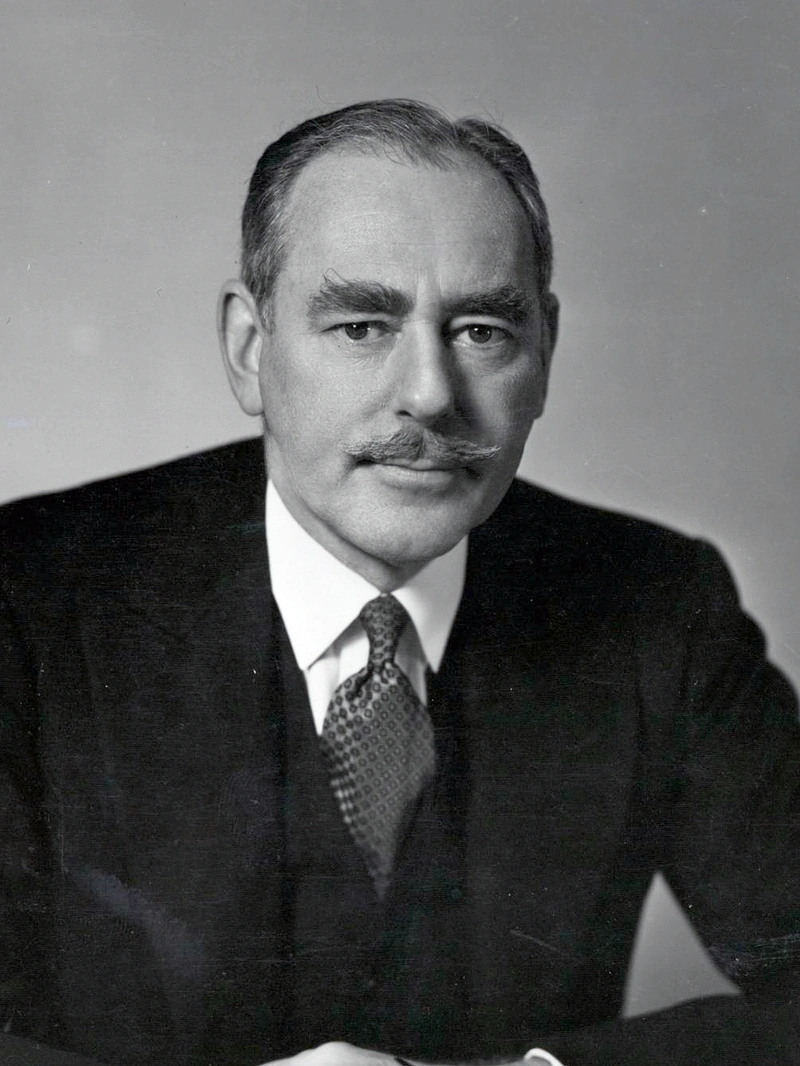
| 19 Quotes | |
| Born as | Dean Gooderham Acheson |
| Occup. | Statesman |
| From | USA |
| Born | April 11, 1893 Middletown, Connecticut |
| Died | October 12, 1971 Sandy Spring, Maryland |
| Aged | 78 years |
| Cite | |
Citation Formats
APA Style (7th ed.)
Dean acheson biography, facts and quotes. (2026, February 11). FixQuotes. https://fixquotes.com/authors/dean-acheson/
Chicago Style
"Dean Acheson biography, facts and quotes." FixQuotes. February 11, 2026. https://fixquotes.com/authors/dean-acheson/.
MLA Style (9th ed.)
"Dean Acheson biography, facts and quotes." FixQuotes, 11 Feb. 2026, https://fixquotes.com/authors/dean-acheson/. Accessed 6 Mar. 2026.
Early Life and Background
Dean Gooderham Acheson was born April 11, 1893, in Middletown, Connecticut, into a clerical, Anglo-American household that prized language, duty, and self-command. His father, Edward Campion Acheson, was an Episcopal priest; his mother, Eleanor Gertrude Gooderham, came from the Canadian Gooderham distilling family. The mixture gave him two permanent instincts: a moral seriousness about public life and a patrician confidence that public life could be shaped by well-made institutions and well-chosen words.Growing up in the long American interval between the Spanish-American War and World War I, Acheson absorbed the emerging reality that the United States could no longer pretend to be a merely continental power. The discipline of the rectory, the expectations of an old Protestant establishment, and the early 20th-century faith in expertise helped form the tone that later defined him - elegant, legalistic, sometimes icy - and the inner posture of endurance that he carried through political storms, especially when his choices made him a lightning rod during the early Cold War.
Education and Formative Influences
Acheson attended Groton School and then Yale University, graduating in 1915, before entering Harvard Law School. After military service as an ensign in World War I, he clerked for Supreme Court Justice Louis D. Brandeis in 1919-1920, an experience that sharpened his respect for rigorous reasoning and the social consequences of economic power. He joined the Washington law firm Covington and Burling, moving easily between private practice and public service in a generation that treated government as a temporary but honorable assignment for elite lawyers.Career, Major Works, and Turning Points
Acheson entered high office in the New Deal, serving as Under Secretary of the Treasury (1933) and later as Assistant Secretary of State (1941-1944), where his work touched lend-lease, wartime diplomacy, and the early architecture of postwar policy. His decisive era began when Harry S. Truman made him Under Secretary of State (1945-1949) and then Secretary of State (1949-1953). In those years he became a principal designer of containment: championing the Marshall Plan, helping organize NATO (1949), and hardening policy after the Berlin blockade and the Communist victory in China. He also helped institutionalize U.S. commitments through the National Security Council framework and oversaw the diplomatic response to the Korean War, a conflict that intensified domestic attacks on him as insufficiently vigilant against communism. After leaving office, he remained a counselor to presidents, notably John F. Kennedy during the Cuban Missile Crisis, and wrote the memoir Present at the Creation (1969), which framed his own role in building the postwar order.Philosophy, Style, and Themes
Acheson believed that power had to be harnessed to durable structures: alliances, economic recovery programs, and credible commitments that would outlast any single administration. His public style - lapidary sentences, courtroom logic, and impatience with cant - came from a lawyer trained to treat ambiguity as an adversary. Beneath the hauteur critics saw was a temperament shaped by stoicism and example rather than confession. “I learned from the example of my father that the manner in which one endures what must be endured is more important than the thing that must be endured”. That ethic explains his willingness to absorb political damage for policies he believed essential: defending European recovery even when it looked like charity, defending alliances even when they looked like entanglements, and defending limited war in Korea even when it looked like indecision.His realism was institutional rather than cynical. He argued that postwar peace required more than conferences - it required machinery that could coordinate interests and restrain panic. “We have actively sought and are actively seeking to make the United Nations an effective instrument of international cooperation”. Yet he was unsentimental about the internal politics of government, aware that the bureaucracy often writes for self-preservation, not clarity: “A memorandum is written not to inform the reader but to protect the writer”. In Acheson, these instincts fused into a governing theme: history moves through imperfect instruments, so statesmen must build institutions that can bear strain, then endure the backlash that comes with building them.
Legacy and Influence
Acheson died on October 12, 1971, in Sandy Spring, Maryland, leaving behind a model of the modern American secretary of state as strategist, alliance-builder, and institutional architect. Admirers credit him with giving the West a coherent framework - economic recovery, collective defense, and a disciplined concept of U.S. leadership - that helped stabilize Europe and shape the Cold War settlement. Critics fault his confidence, his blind spots on decolonization and domestic politics, and his role in intensifying superpower confrontation. Still, few figures so clearly illustrate how post-1945 U.S. diplomacy became a permanent structure rather than an episodic performance, and how a statesman can be both author and captive of the order he helps create.Our collection contains 19 quotes written by Dean, under the main topics: Witty One-Liners - Ethics & Morality - Wisdom - Dark Humor - Leadership.
Other people related to Dean: George C. Marshall (Soldier), Jean Monnet (Politician), William P. Bundy (Historian), Warren R. Austin (Politician), Alger Hiss (Public Servant), Ronald Steel (Writer), Louis A. Johnson (Public Servant)