
Delia Smith Biography Quotes 16 Report mistakes
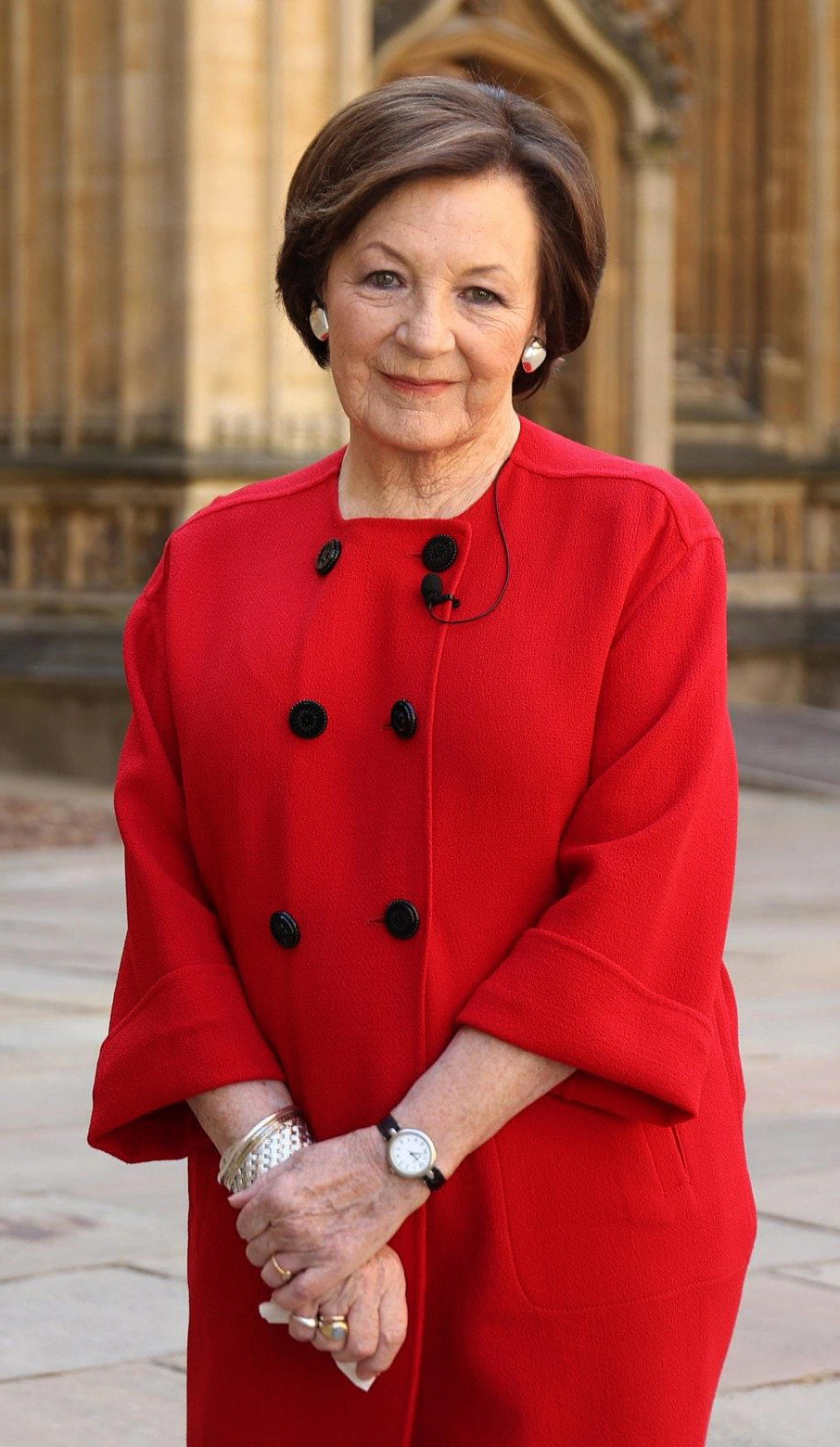
| 16 Quotes | |
| Born as | Delia Ann Smith |
| Occup. | Celebrity |
| From | United Kingdom |
| Spouse | Michael Wynn-Jones (1971-) |
| Born | June 18, 1941 Woking, Surrey, United Kingdom |
| Age | 84 years |
| Cite | |
Citation Formats
APA Style (7th ed.)
Delia smith biography, facts and quotes. (2026, February 11). FixQuotes. https://fixquotes.com/authors/delia-smith/
Chicago Style
"Delia Smith biography, facts and quotes." FixQuotes. February 11, 2026. https://fixquotes.com/authors/delia-smith/.
MLA Style (9th ed.)
"Delia Smith biography, facts and quotes." FixQuotes, 11 Feb. 2026, https://fixquotes.com/authors/delia-smith/. Accessed 25 Mar. 2026.
Early Life and Background
Delia Ann Smith was born on June 18, 1941, in Woking, Surrey, in a Britain still living under wartime rationing and the aftertaste of austerity. That timing mattered: her adult career would be built on the idea that everyday cooking could be both practical and dignified, and that competence in the kitchen was a form of self-reliance rather than a hobby. The postwar domestic world around her prized thrift, clarity, and routines - the same virtues that later defined her public voice.Her early life was unsettled by a difficult relationship with her stepfather, and she was not drawn to conventional schooling. Instead, she developed a private stubbornness: when authority felt arbitrary, she learned to trust method and proof. That temperament - more exacting than flamboyant - would later make her a national teacher. Smith was never primarily a performer; she became famous by insisting that the ordinary cook deserved instructions that would not betray them.
Education and Formative Influences
Smith left school at 16 with few qualifications and drifted through early jobs before finding her way into food through work in restaurants, including time at the Singapura in Paddington, London. She learned from repetition, timing, and the hierarchy of a professional kitchen, then translated those lessons into home terms. The London of the 1960s and early 1970s was expanding its palate - new ingredients, new media, new confidence - yet many households still lacked reliable culinary guidance. Smiths formative education was thus practical, self-directed, and shaped by the gap between fashionable food talk and the actual anxieties of the home cook.Career, Major Works, and Turning Points
After writing for publications including the Evening Standard, Smith became closely associated with the BBC through landmark instructional series: Family Fare (1973) and The Delia Smith Cookery Course (aired 1977-1979), which made her a household name by treating basic techniques as worthy of serious attention. Her books consolidated that authority, notably Delia Smiths Cookery Course (three volumes), Complete Cookery Course, and later Delias How to Cook (1998), followed by How to Cheat at Cooking (2008), which acknowledged time pressure without abandoning standards. Outside food media she became a director and then majority shareholder at Norwich City F.C. with her husband, the television producer Michael Wynn-Jones, fusing her private passions with public life - and occasionally courting tabloid caricature that she managed with a thick skin and an even thicker sense of mission.Philosophy, Style, and Themes
Smiths style is didactic in the best sense: she writes to prevent failure. Measurements, temperatures, timings, and equipment are not pedantry to her but safeguards against humiliation and waste. Underneath the calm instructions is an ethics of care - for the reader, for ingredients, and for the unseen labor of domestic life. She is often described as reassuring, yet the reassurance comes from rigor, not charm. In an era when celebrity chefs increasingly sold personality, Smith sold reliability, and her authority rested on the premise that the home cook deserves professional-grade clarity.Her psychology appears most plainly in her insistence on precision and on the moral seriousness of feeding people. “There are people who claim to be instinctive cooks, who never follow recipes or weigh anything at all. All I can say is they're not very fussy about what they eat. For me, cooking is an exact art and not some casual game”. That is less a jab than a confession: she distrusts vagueness because vagueness lets people down. Yet her exactness is in service of pleasure, not control, and she repeatedly returns to the aesthetics of the everyday table: “Food is for eating, and good food is to be enjoyed... I think food is, actually, very beautiful in itself”. Even her pragmatism about tools frames efficiency as kindness to the cook: “Although a food processor is not an absolutely essential piece of equipment, because you can certainly chop, grate, slice, knead and mix everything by hand, it does do all these things very quickly and efficiently and saves you time and energy”.
Legacy and Influence
Delia Smith helped standardize modern British home cooking instruction, shaping how a generation learned to roast, bake, and plan meals with confidence. Her impact is measurable in the cultural shorthand of the "Delia effect", when an ingredient mentioned by her could sell out overnight, and in the quieter legacy of thousands of households where a recipe worked the first time. She stands as a bridge between postwar thrift and contemporary abundance, insisting that competence is not elitism and that domestic skill merits respect. In a media landscape that often rewards spectacle, Smiths enduring influence is the opposite: a belief that clarity, patience, and good taste - literal and moral - can still change how people live.Our collection contains 16 quotes written by Delia, under the main topics: Sports - Resilience - Customer Service - Food - Baking.
Source / external links