
Desmond Tutu Biography Quotes 21 Report mistakes
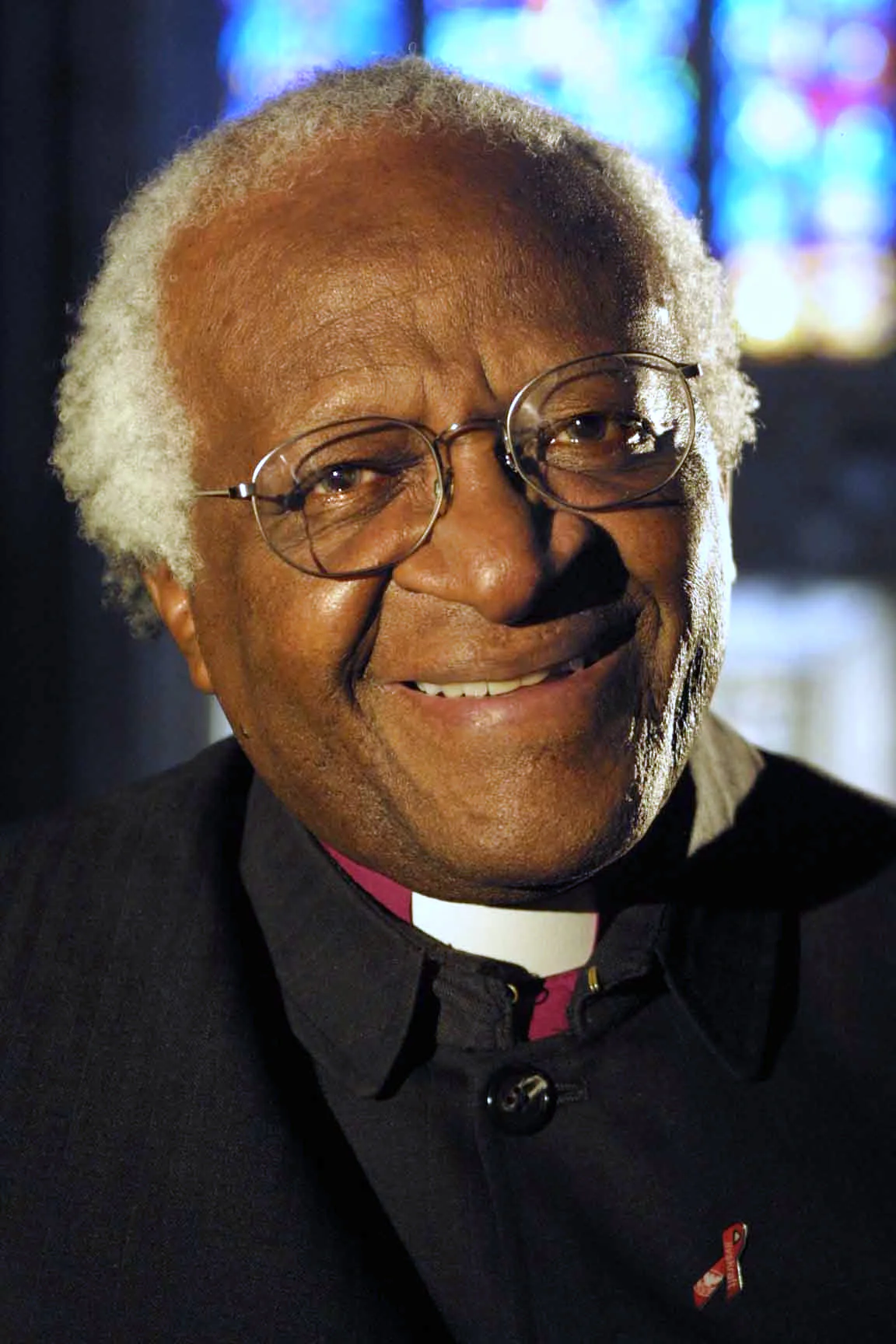
Attr: Benny Gool, Public domain
| 21 Quotes | |
| Born as | Desmond Mpilo Tutu |
| Occup. | Leader |
| From | South Africa |
| Spouse | Leah Nomalizo Tutu |
| Born | October 7, 1931 Klerksdorp, Transvaal, South Africa |
| Died | December 26, 2021 Cape Town, Western Cape, Republic of South Africa |
| Aged | 90 years |
| Cite | |
Citation Formats
APA Style (7th ed.)
Desmond tutu biography, facts and quotes. (2026, February 11). FixQuotes. https://fixquotes.com/authors/desmond-tutu/
Chicago Style
"Desmond Tutu biography, facts and quotes." FixQuotes. February 11, 2026. https://fixquotes.com/authors/desmond-tutu/.
MLA Style (9th ed.)
"Desmond Tutu biography, facts and quotes." FixQuotes, 11 Feb. 2026, https://fixquotes.com/authors/desmond-tutu/. Accessed 26 Mar. 2026.
Early Life and Background
Desmond Mpilo Tutu was born on 1931-10-07 in Klerksdorp, Transvaal, South Africa, into a society already ordered by race and labor, and he grew up as segregation hardened into the formal machinery of apartheid after 1948. His father, Zachariah Zelilo Tutu, was a teacher, and his mother, Aletta Matlhare, worked as a domestic worker - two livelihoods that placed the family close to the everyday humiliations of white authority while also tying them to the dignity of learning, church life, and mutual aid in Black communities.As a boy he wanted to become a doctor, but tuberculosis derailed that path and forced long periods of convalescence. The illness did not simply interrupt schooling; it trained his attention inward, toward suffering, patience, and the moral weight of care. In later years he would often seem to speak from the bedside as much as from the pulpit - a public conscience formed by intimate encounters with fragility and the quiet heroism of those who endure.
Education and Formative Influences
Tutu trained as a teacher at Pretoria Bantu Normal College and the University of South Africa, teaching briefly before the apartheid state made Black education an instrument of subservience through the Bantu Education Act; he resigned rather than cooperate. He then pursued priesthood in the Anglican Church, studying theology at St Peter's Theological College in Rosettenville, Johannesburg, and later at King's College London, where he earned degrees that widened his moral vocabulary beyond South African crisis into a universal language of human rights, Christian social ethics, and nonviolent resistance. The Anglican tradition of liturgy and reason, combined with ecumenical contacts and the emerging global anti-colonial moment, gave him both a spiritual home and an international stage.Career, Major Works, and Turning Points
Ordained in 1961, Tutu moved between parish work, teaching, and church administration, including service with the World Council of Churches, before becoming Dean of Johannesburg (1975) and then the first Black Archbishop of Cape Town (1986). The Soweto uprising of 1976 and the state's brutal repression turned his ministry into overt political witness: he mediated, marched, preached against apartheid, and pressed for sanctions while insisting the struggle remain anchored in human dignity. Awarded the Nobel Peace Prize in 1984, he became a global symbol of principled resistance. After the 1994 democratic transition, Nelson Mandela appointed him to chair the Truth and Reconciliation Commission (TRC), where he shepherded a national experiment in public truth-telling, amnesty, and moral repair. In later years he criticized corruption and elite capture within the new South Africa, and he expanded his advocacy to global causes through the Elders and the Desmond and Leah Tutu Legacy Foundation, speaking on HIV/AIDS, peace, and LGBT equality until his death on 2021-12-26 in Cape Town.Philosophy, Style, and Themes
Tutu's inner life was a fusion of mischief and severity: a buoyant laugh that never trivialized pain, and a pastoral tenderness that could still thunder against cruelty. His theological center was ubuntu - personhood realized through relationship - and he framed politics as a test of shared humanity rather than a contest for spoils. “My humanity is bound up in yours, for we can only be human together”. That sentence was not rhetorical ornament; it was a psychological key. It explains why he grieved publicly, why he refused to dehumanize perpetrators, and why his indignation was inseparable from an almost childlike hope that enemies could change.At the same time, he despised the moral narcotic of detachment. "If you are neutral in situations of injustice, you have chosen the side of the oppressor. If an elephant has its foot on the tail of a mouse and you say that you are neutral, the mouse will not appreciate your neutrality" [Quote
Our collection contains 21 quotes written by Desmond, under the main topics: Justice - Leadership - Parenting - Kindness - Equality.
Other people related to Desmond: John Shelby Spong (Clergyman), Gene Robinson (Clergyman)
Desmond Tutu Famous Works
- 2014 The Book of Forgiving: The Fourfold Path for Healing Ourselves and Our World (Book)
- 2006 Rabble-Rouser for Peace: The Authorized Biography of Desmond Tutu (Book)
- 2004 God Has a Dream: A Vision of Hope for Our Time (Book)
- 1999 No Future Without Forgiveness (Book)
- 1994 The Rainbow People of God: The Making of a Peaceful Revolution (Book)
Source / external links