
Dick Armey Biography Quotes 14 Report mistakes
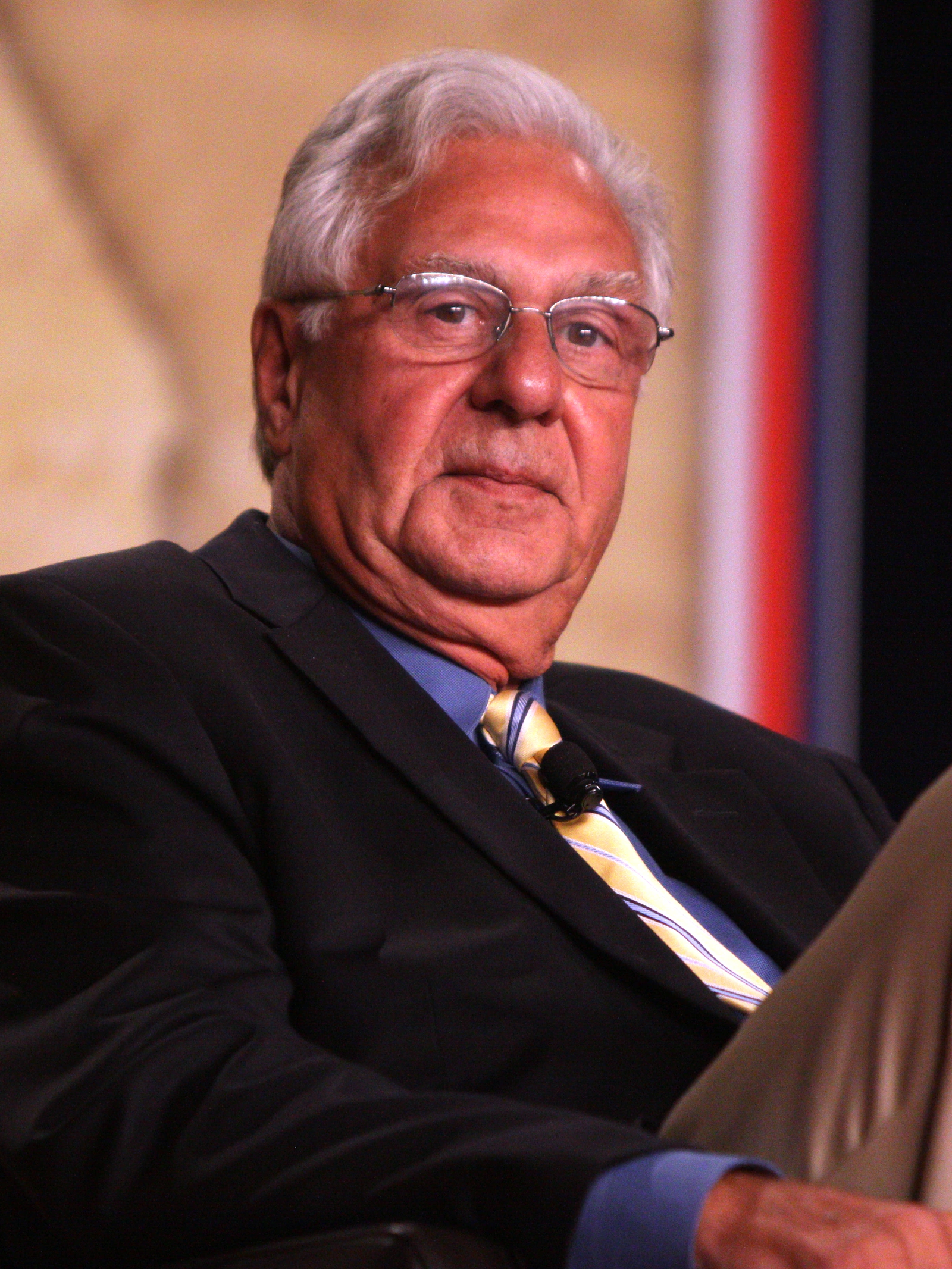
| 14 Quotes | |
| Born as | Richard Keith Armey |
| Known as | Richard K. Armey |
| Occup. | Politician |
| From | USA |
| Born | July 7, 1940 Cando, North Dakota, USA |
| Age | 85 years |
| Cite | |
Citation Formats
APA Style (7th ed.)
Dick armey biography, facts and quotes. (2026, February 27). FixQuotes. https://fixquotes.com/authors/dick-armey/
Chicago Style
"Dick Armey biography, facts and quotes." FixQuotes. February 27, 2026. https://fixquotes.com/authors/dick-armey/.
MLA Style (9th ed.)
"Dick Armey biography, facts and quotes." FixQuotes, 27 Feb. 2026, https://fixquotes.com/authors/dick-armey/. Accessed 6 Mar. 2026.
Early Life and Background
Richard Keith "Dick" Armey was born on July 7, 1940, in Cando, North Dakota, a small prairie town shaped by hard weather, tight budgets, and the moral economy of neighbors who noticed who paid their way. Mid-20th-century rural America was a world of self-reliance and suspicion of waste, and Armey carried that sensibility into adulthood as both personal ethic and public argument.Coming of age during the Cold War and the long postwar boom, he watched Washington grow in size and ambition while the economic fortunes of small communities remained fragile and cyclical. That contrast, between local constraint and federal expansion, became a private reference point for his later politics: a belief that prosperity is created more reliably by markets and work than by programs and promises.
Education and Formative Influences
Armey studied economics and built an academic career before entering electoral politics, teaching at North Texas State University (now the University of North Texas) in Denton. The classroom sharpened his instinct to treat policy as an incentives problem, not a sermon - taxes, regulation, and welfare rules were, to him, systems that trained behavior. He absorbed the broader conservative intellectual resurgence of the 1970s and 1980s, when inflation, energy shocks, and distrust of government made arguments for deregulation and tax reform newly persuasive.Career, Major Works, and Turning Points
Elected to the U.S. House of Representatives from Texas in 1984, Armey rose through the Republican ranks and became House Majority Leader in 1995, a central figure in the Gingrich-era realignment that culminated in the 1994 "Republican Revolution" and the Contract with America. He pushed supply-side tax cuts, welfare reform, and a combative style of party discipline meant to translate conservative theory into legislative victories. After leaving Congress in 2003, he moved into movement leadership and advocacy, later serving as chairman of FreedomWorks, positioning himself as a bridge between institutional Republicanism and insurgent grassroots energy during the Tea Party years.Philosophy, Style, and Themes
Armeys worldview is a moralized economics: government should be limited not only because it is inefficient, but because it tempts citizens into dependency and politicians into indulgence. His famous warning, “Three groups spend other people's money: children, thieves, politicians. All three need supervision”. doubles as a psychological tell - a deep distrust of unearned authority and a conviction that public spending severs the emotional link between decision and consequence. He spoke of taxation in family terms rather than abstract aggregates, arguing, “We're going to have a tax cut. Today's American family is overtaxed at all levels”. In Armeys rhetoric, the taxpayer is the protagonist, and the state is an ever-hungry claimant.He also framed politics as a character test, insisting that resentment is politically useful but personally corrosive: “You cannot get ahead while you are getting even”. That line points to a tension in his career. Armey could be scalding toward opponents and scathing about bureaucracy, yet he wanted conservatism to be aspirational rather than merely punitive - a program for upward motion. His style was professorial and pugnacious at once: he used economic logic to justify moral judgments, and he treated organized activism as a necessary counterweight to institutional inertia, later celebrating small-government mobilization in the language of movements rather than parties.
Legacy and Influence
Armeys enduring impact lies less in a single statute than in a model of conservative governance: translate market-oriented economics into populist language, couple legislative hardball with policy pedagogy, and keep the party tethered to anti-tax, anti-bureaucratic instincts. As Majority Leader during the formative years of modern House partisanship, he helped normalize message discipline, confrontational budgeting, and the idea that elections should deliver structural reform, not just personnel changes. In the post-Congress phase, his association with FreedomWorks and Tea Party-era organizing made him an early architect of the 21st-century right's fusion of think-tank policy, talk-radio energy, and grassroots pressure - a combination that continues to shape Republican identity long after his formal leadership ended.Our collection contains 14 quotes written by Dick, under the main topics: Witty One-Liners - Sarcastic - Freedom - Peace - Honesty & Integrity.
Other people related to Dick: Bob Livingston (Politician), Jennifer Dunn (Politician), Michael Johns (Politician)
Source / external links