
Dick Clark Biography Quotes 6 Report mistakes
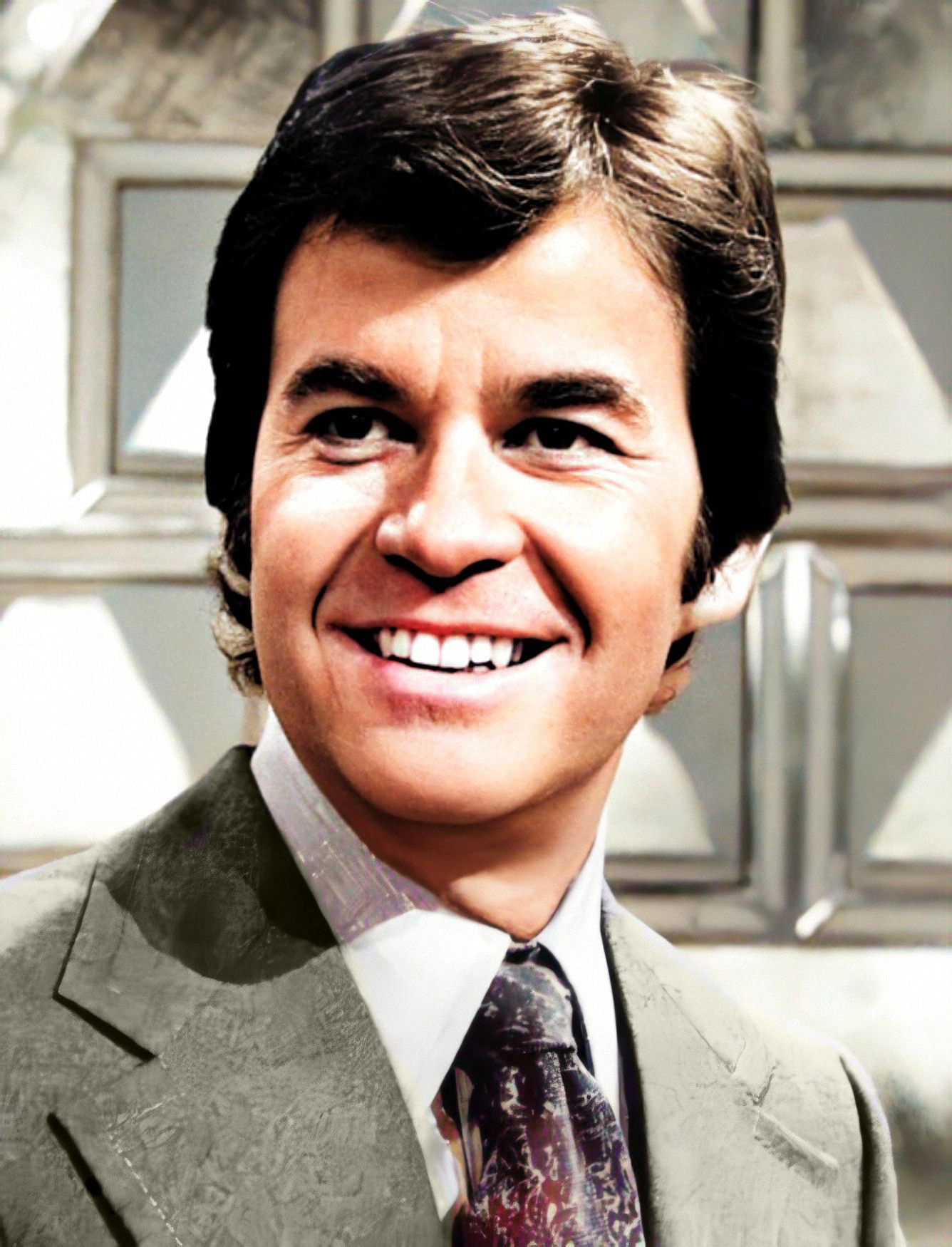
| 6 Quotes | |
| Born as | Richard Wagstaff Clark |
| Occup. | Entertainer |
| From | USA |
| Spouse | Barbara Mallery (1977–2012) |
| Born | November 20, 1929 Mount Vernon, New York, USA |
| Died | April 18, 2012 Santa Monica, California, USA |
| Cause | Stroke |
| Aged | 82 years |
| Cite | |
Citation Formats
APA Style (7th ed.)
Dick clark biography, facts and quotes. (2026, February 11). FixQuotes. https://fixquotes.com/authors/dick-clark/
Chicago Style
"Dick Clark biography, facts and quotes." FixQuotes. February 11, 2026. https://fixquotes.com/authors/dick-clark/.
MLA Style (9th ed.)
"Dick Clark biography, facts and quotes." FixQuotes, 11 Feb. 2026, https://fixquotes.com/authors/dick-clark/. Accessed 6 Mar. 2026.
Early Life
Richard Wagstaff Clark was born on November 30, 1929, in Bronxville, New York, and raised in nearby Mount Vernon. Fascinated by radio from an early age, he gravitated to microphones and control rooms in his teens and pursued broadcasting while in college. He learned the rhythms of announcing, programming, and the business of popular music at a time when radio and television were rapidly converging.Rise in Radio and Philadelphia Television
After early on-air experience at small stations, Clark moved to Pennsylvania and joined WFIL in Philadelphia. There he became a staff announcer and disc jockey and began appearing on the local afternoon dance program Bandstand as a substitute. When the show's original host, Bob Horn, departed in 1956, Clark took over. His easy rapport with teenagers, crisp timing, and instinct for what sounded fresh on the radio helped the program catch fire locally and positioned it for national exposure.American Bandstand and National Influence
In 1957, ABC picked up the show and rebranded it American Bandstand, turning Clark into a national figure. Broadcasting weekday afternoons from Philadelphia, he presented new records, live performances, and interviews, asking his signature questions and guiding viewers through the latest dances. The program provided crucial early television exposure for artists such as Paul Anka, Chubby Checker, and The Supremes, and later introduced wider audiences to acts who would dominate pop culture for decades, including The Jackson 5, Michael Jackson, and Madonna. Clark's steady presence earned him the nickname "America's oldest teenager", reflecting both his youthful appearance and his connection to evolving teen culture. In 1964, as production demands and the music business shifted westward, the show moved to Los Angeles. American Bandstand continued, with various schedule changes, into the late 1980s, by which time it had become a historic platform that helped standardize how pop music reached television audiences.Entrepreneurship and Dick Clark Productions
Clark built a parallel career behind the camera as a producer. Through Dick Clark Productions, founded in the late 1950s, he developed and packaged television specials, series, and award shows. He co-created the American Music Awards in 1973 with producer Larry Klein, offering a lively, performance-centered alternative after ABC lost rights to the Grammys. His company became a major supplier of entertainment programming, later producing telecasts for the Golden Globe Awards and other large-scale events. Clark also invested in live venues and branded properties, extending the Bandstand name to theaters and restaurants and reinforcing his role as a bridge between recording artists, television, and live performance.New Year's Rockin' Eve
Seeking to modernize holiday television, Clark launched Dick Clark's New Year's Rockin' Eve in 1972, bringing contemporary pop acts to Times Square and establishing a tradition that rivaled older big-band broadcasts. Over the years, the annual special became a cultural fixture. In the mid-2000s, after Clark suffered a stroke, Ryan Seacrest joined the broadcast, first as a co-host and then as its primary on-air ringmaster, with Clark returning for appearances that signaled his determination to remain part of the celebration he had built.Game Shows and Other Television
Clark's on-air range extended beyond music. He hosted The $10, 000 Pyramid (and later iterations such as The $25, 000 Pyramid and The $100, 000 Pyramid), bringing crisp pacing and encouraging warmth that endeared him to contestants and viewers. The franchise won multiple Daytime Emmy Awards and became a benchmark of quiz-show craftsmanship. Clark also co-hosted TV's Bloopers & Practical Jokes with Ed McMahon, turning outtakes and hidden-camera segments into prime-time entertainment and demonstrating his knack for packaging lighthearted television that attracted broad audiences.Payola Era Scrutiny
As rock and roll grew, the music industry's promotional practices drew congressional scrutiny. During the 1959, 1960 payola hearings, Clark was questioned about investments and relationships in record and publishing businesses. He divested overlapping interests and continued hosting American Bandstand, emerging with his reputation largely intact. The contrast with the fate of fellow radio pioneer Alan Freed, whose career collapsed, underscored how Clark's discipline, business transparency, and network support helped him weather an industry-wide reckoning.Later Years, Health, and Death
Clark remained active as a producer and occasional host well into the 2000s. In December 2004, he suffered a significant stroke that affected his speech, yet he returned to television, sharing New Year's duties with Ryan Seacrest and signaling to viewers that perseverance and presence mattered as much as perfection. He died on April 18, 2012, in Santa Monica, California, after a heart attack following a medical procedure. Tributes poured in from artists and broadcasters who credited him with opening doors to national audiences and establishing formats that defined music and variety television.Personal Life
Clark married three times and was survived by his third wife, Kari Clark. Among his children, RAC Clark built a career as a television producer, extending the family's connection to broadcast entertainment. Colleagues and friends frequently described Clark as meticulous, unfailingly polite, and intensely curious about new sounds and trends, traits that helped him stay relevant across multiple eras.Legacy
Dick Clark's influence rests on three pillars: he normalized rock and roll on mainstream American television; he professionalized music-event production at a scale that networks came to rely on; and he demonstrated that a host could be both a genial master of ceremonies and a shrewd media entrepreneur. Through American Bandstand, he helped launch careers and codified the relationship between records, television performance, and teen culture. Through Dick Clark Productions and the American Music Awards, he created recurring platforms that artists and advertisers trusted. Through New Year's Rockin' Eve, he helped define how the nation celebrates a shared moment. The roster of figures who moved through his orbit, from Bob Horn in his formative Philadelphia years, to performers like Paul Anka and Chubby Checker, to collaborators such as Ed McMahon, Larry Klein, and Ryan Seacrest, maps the sweep of postwar American entertainment. His blend of polish, timing, and entrepreneurial instinct made him a central architect of pop music's television age and secured his place in the cultural memory as "America's oldest teenager."Our collection contains 6 quotes written by Dick, under the main topics: Witty One-Liners - Music - Resilience - Marketing - New Year.
Other people related to Dick: Brenda Lee (Musician), Bobby Vinton (Musician), Connie Francis (Musician), Danny Bonaduce (Actor), Jack Miller (Politician)
Source / external links