
Domitila Barrios de Chungara Biography Quotes 6 Report mistakes
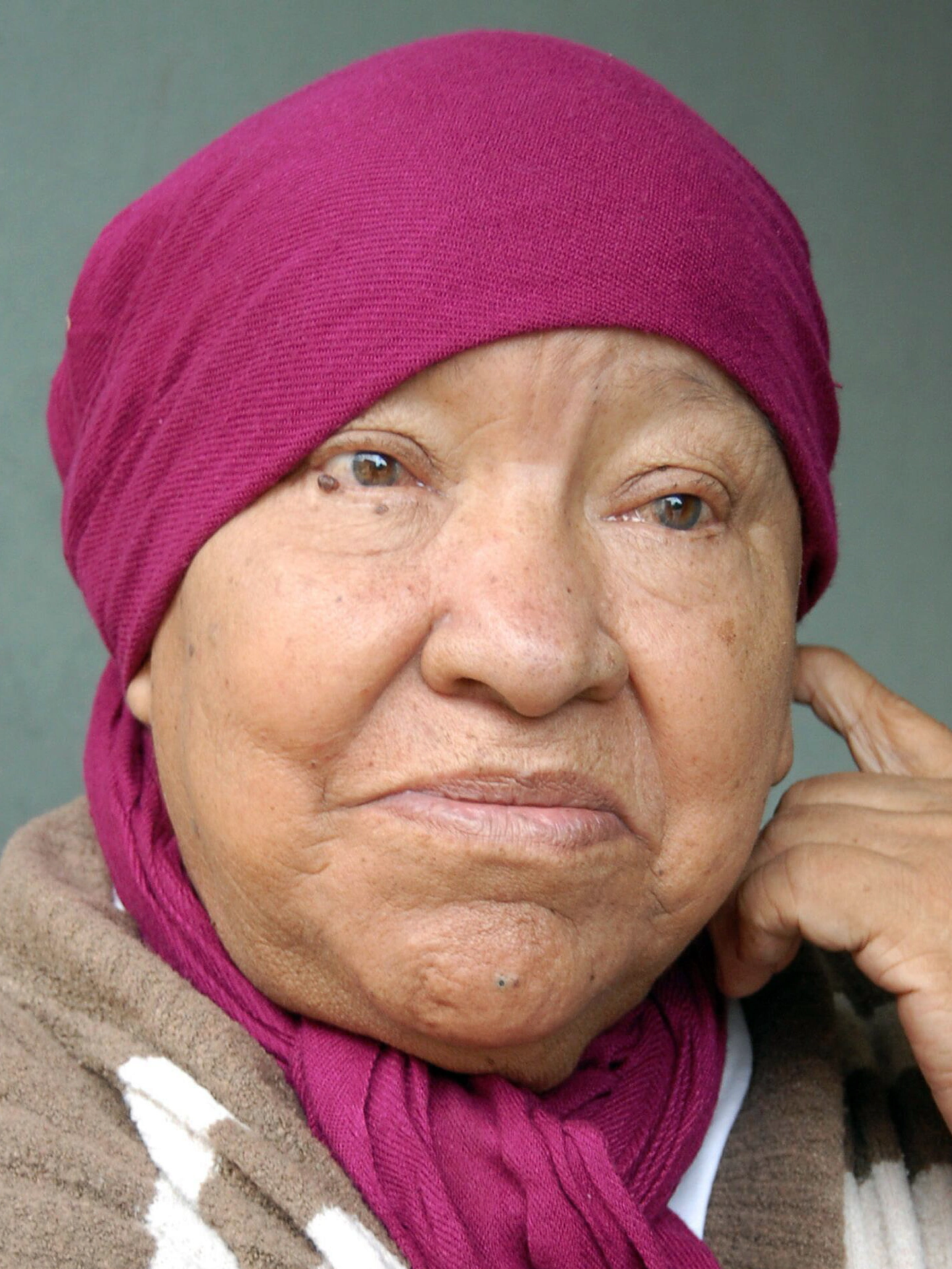
Attr: noticiaslatam.lat
| 6 Quotes | |
| Born as | Domitila Barrios |
| Occup. | Activist |
| From | Bolivia |
| Spouse | Sigifredo Chungara |
| Born | May 7, 1937 Pulacayo, Potosí Department, Bolivia |
| Died | March 13, 2012 Cochabamba, Bolivia |
| Cause | Chronic obstructive pulmonary disease |
| Aged | 74 years |
| Cite | |
Citation Formats
APA Style (7th ed.)
Domitila barrios de chungara biography, facts and quotes. (2026, February 16). FixQuotes. https://fixquotes.com/authors/domitila-barrios-de-chungara/
Chicago Style
"Domitila Barrios de Chungara biography, facts and quotes." FixQuotes. February 16, 2026. https://fixquotes.com/authors/domitila-barrios-de-chungara/.
MLA Style (9th ed.)
"Domitila Barrios de Chungara biography, facts and quotes." FixQuotes, 16 Feb. 2026, https://fixquotes.com/authors/domitila-barrios-de-chungara/. Accessed 21 Feb. 2026.
Early Life and Background
Domitila Barrios de Chungara was born Domitila Barrios around 1937 and came of age in Bolivia when tin was both the backbone of the national economy and the site of its most brutal inequalities. She grew up in the long shadow of the 1952 National Revolution, when the MNR government nationalized major mines and promised citizenship to workers who had long lived like an internal colony. In the mining camps of the altiplano, however, daily life remained defined by debt, shortages, illness from dust and cold, and the constant presence of soldiers and company authority.Her adult identity was forged in the world of Siglo XX, the famed state tin complex near Llallagua in northern Potosi, where miners families lived in crowded company housing and women carried the double burden of domestic labor and political survival. She married a miner, became a mother, and learned how hunger, layoffs, and repression translated into intimate crises inside a household. The camps turned private misfortune into shared grievance, and shared grievance into organization - a process that would make her one of the most recognizable voices of Bolivian popular resistance.
Education and Formative Influences
Barrios did not rise through elite schooling but through a hard education in collective life: union assemblies, ration lines, and the informal networks of women who kept families alive when wages collapsed or men were imprisoned. The miners movement, steeped in syndical discipline and left currents ranging from Marxism to indigenous communal ethics, provided her political vocabulary. So did the repeated shocks of state violence, which taught her that "normality" in the camps was negotiated against guns, not guaranteed by law.Career, Major Works, and Turning Points
Her public career crystallized through the Housewives Committee of Siglo XX (Comite de Amas de Casa), a militant womens organization that supported strikes, organized food, led marches, and confronted military occupation. In the early 1970s, amid General Hugo Banzer's dictatorship (1971-1978), she became a national figure as repression intensified after the San Juan massacre of 1967, when troops attacked miners families in the night. The decisive turning point came in late 1977, when she helped launch the hunger strike that spread across Bolivia and accelerated the regimes political opening; her testimony and visibility made her both a symbol and a target. Her life entered world literature through the testimonial book "Let Me Speak!" (published internationally in 1978), in which her voice - mediated through interview and editing - carried the mining camps into global debates about human rights and class power.Philosophy, Style, and Themes
Barrios thinking was built from the arithmetic of survival. She returned again and again to the household economy as evidence of structural theft: “In my case, for example, my husband works, I work, I make my children work, so there are several of us working to support the family. And the bosses get richer and richer and the workers' conditions get worse and worse”. This is not rhetoric but an indictment grounded in lived labor, where family itself becomes a work unit pressed into service by scarcity. Her politics began in the kitchen and the clinic, then moved outward to wages, unions, and the state - a pathway that made her an unusually persuasive bridge between domestic experience and national critique.Her style was direct, collective, and anti-heroic: struggle was not a duel with male comrades but a demand to be recognized as co-authors of the movement. “For us, the principal work was not to fight against our companeros but with them to change the system for another one, where men and women may have the right of life, work, and of our own organization”. In her moral universe, the point of risk was inheritance, not fame: “I want to leave future generations the only valid inheritance: a free country and social justice”. That future-facing ethic helps explain her endurance under harassment and exile - she treated courage less as temperament than as obligation to those who would come after.
Legacy and Influence
Barrios died around 2012, but her legacy persists as both history and method: a model of how womens committees can anchor labor movements, how testimony can convert local suffering into transnational pressure, and how democracy in Bolivia was forced open not only by parties and generals but by miners families willing to starve publicly rather than submit privately. She remains a touchstone for Bolivian union memory, feminist labor organizing, and the broader Latin American tradition of testimonial activism that insists political truth is often spoken first by those the state prefers to keep unheard.Our collection contains 6 quotes written by Domitila, under the main topics: Justice - Human Rights - Work - Perseverance.
Source / external links