
Don Herold Biography Quotes 15 Report mistakes
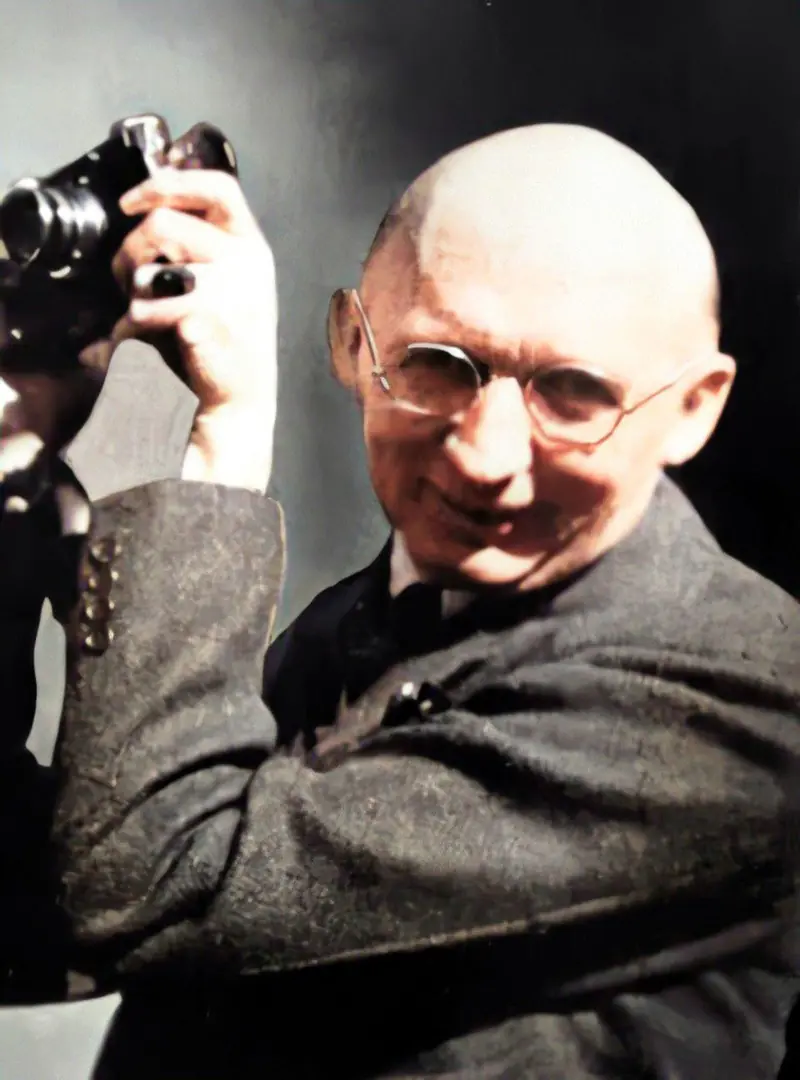
| 15 Quotes | |
| Occup. | Writer |
| From | USA |
| Born | July 9, 1889 USA |
| Died | June 1, 1966 USA |
| Cause | Natural Causes |
| Aged | 76 years |
Don Herold was born July 9, 1889, in the American Midwest, a region whose small-town habits and steady civic pace furnished him with the plainspoken stage on which he would later perform as an essayist and humorist. He came of age as the United States shifted from late-Victorian certainties into the jittery modernity of the Progressive Era, when mass-circulation newspapers and magazines were teaching a growing middle class to see itself as an audience. Herold learned early that personality could be a livelihood, and that the ordinary frictions of domestic life - money, work, manners, self-importance - could be transmuted into public entertainment.
His adulthood unfolded through the era that made and broke reputations at speed: World War I, the Roaring Twenties, the Great Depression, and the cultural consolidation of the postwar years. In that long stretch, humor became both coping mechanism and social commentary, and Herold specialized in a tone that sounded genial but carried an analyst's edge. His best work treated the modern self as a bundle of rationalizations, quietly frightened of looking foolish yet unable to stop courting it.
Education and Formative Influences
Herold's formative influences were less about a single school than about the apprenticeship system of early-20th-century writing: reading widely, learning to compress an argument into the length of a column, and absorbing the magazine tradition that prized conversational authority. He emerged in the wake of Mark Twain and alongside the new urban wits who wrote for a national readership hungry for pieces that felt intimate but traveled well. The period's accelerating consumer culture, office routines, and new codes of leisure gave him subject matter ready-made, and he trained himself to notice the small hypocrisies by which respectable people protected their self-image.
Career, Major Works, and Turning Points
Herold made his name as an American writer of humorous essays and aphoristic observations, publishing in the mainstream outlets that defined middlebrow literary taste in the first half of the 20th century. His professional turning point was the realization that he did not need a grand public platform to be widely heard - a steady voice, a recognizable attitude, and a knack for the quotable line could circulate more durably than plot. As radio, syndicated columns, and digest culture expanded the market for portable wit, Herold's compact sentences and domestic subjects proved ideally suited to an age that consumed writing in commutes and coffee breaks. He continued publishing across decades, and died June 1, 1966, having become one of those writers whose lines often outlived the bylines that first carried them.
Philosophy, Style, and Themes
Herold's philosophy was a comedy of self-knowledge: he assumed human beings were not wicked so much as suggestible, tired, and proud, and that most moral drama arose from our attempts to appear more disciplined than we felt. He loved puncturing the romance of productivity with the deadpan admission, "Work is the greatest thing in the world, so we should always save some of it for tomorrow". The joke is not laziness alone; it is a diagnosis of modern anxiety, a world in which work has become a moral identity and postponement becomes a small rebellion that preserves the self from being swallowed by duty. In Herold's hands, procrastination is not failure but a sly assertion that life is larger than the ledger.
His style was concise, conversational, and built around the moral jolt of an unexpected turn - the sentence that begins like advice and ends as confession. The psychological core is caution: the fear of burning bridges, of being trapped in a posture one can no longer revise, captured in "Don't ever slam a door, you might want to go back". He treated intelligence as a burden that multiplies doubts rather than a trophy, insisting, "The brighter you are, the more you have to learn". That line points to a recurring theme: sophistication breeds awareness of complexity, and awareness can curdle into worry. Herold's humor repeatedly circles the mind's tendency to invent problems, then live as if they were real - an inner life crowded by imaginary trials that only laughter can clear.
Legacy and Influence
Herold's enduring influence lies in how his best lines became part of the American vernacular of self-deprecation, quoted in offices, family kitchens, and commencement speeches long after the original publications faded. He helped define a strain of 20th-century humor that treats ordinary life as the true stage of philosophy, where the sharpest insights arrive dressed as casual remarks. In an age that increasingly professionalized expertise, Herold kept making room for the wise amateur voice - the writer who observes, revises, and admits weakness without surrendering dignity - and that humane posture continues to make his wit feel usable rather than merely archival.
Our collection contains 15 quotes who is written by Don, under the main topics: Witty One-Liners - Wisdom - Learning - Happiness.
Don Herold Famous Works
- 1949 Lark in the Ark (Novel)
- 1932 Pigs Have Wings (Book)
- 1930 Don Herold's Suite Homes and Their Romance (Book)
- 1924 The Human Side of Advertising (Book)
Source / external links